Man Dies After Being Shot by Military Police in Small Brazilian Town
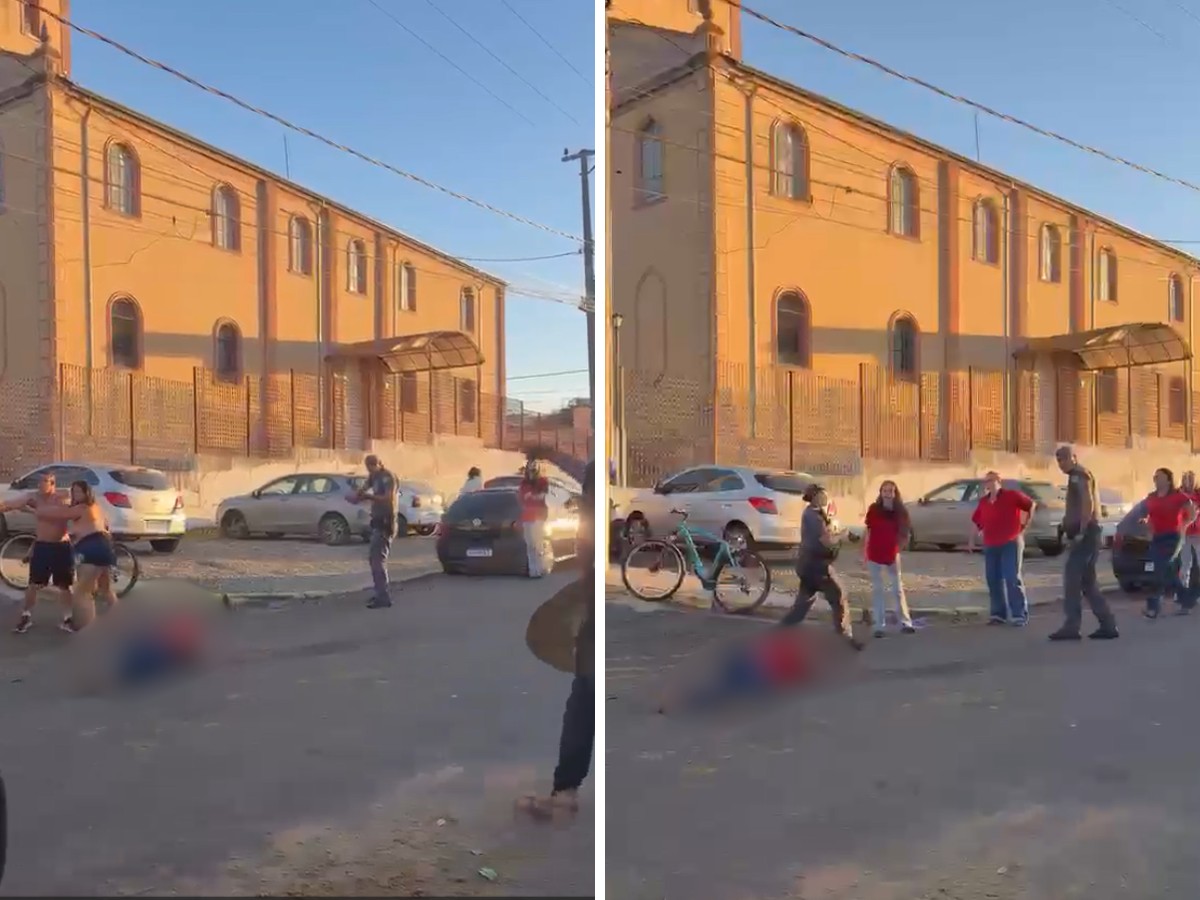
A 38-year-old man, Eliabe Bezerril Silva, died after being shot by a Military Police officer in Mombuca, São Paulo, on Sunday, May 19th. The incident occurred in the town's main square during the dispersal of the traditional Horsemen's Parade. Mombuca is a small municipality with a population of 3,700 residents, according to the 2022 IBGE Census.
Conflicting accounts surround the death. The Military Police claim the officer acted in self-defense to break up a fight, stating Silva advanced with a knife towards another man who was holding a glass bottle. The police reported firing four shots to stop the confrontation. Conversely, Silva's widow, Thais Leandra Bezerril, alleges police excess and recklessness, claiming her husband was already on the ground when more shots were fired. She stated he had returned to the event to retrieve a forgotten hat, and a fight then ensued with another individual.
Silva was taken to the Santa Casa de Capivari for treatment and underwent surgery, but succumbed to his injuries. The involved officers were not arrested, as the police report indicated no immediate evidence of a deliberate crime or unjustified excess. Body cameras were not being used by the officers at the time. The Civil and Military Police are investigating the circumstances, with forensic reports requested. The State Secretariat of Public Security (SSP) has not yet responded to questions about why non-lethal alternatives were not used. The cause of the initial dispute and the condition of the other man involved remain unclear.
This incident highlights the critical need for clear protocols and accountability in police use of force, particularly in smaller communities where de-escalation tactics may be less practiced. The absence of body cameras on the officers involved complicates the verification of events and raises questions about transparency and evidence gathering. The differing narratives from the police and the victim's family underscore the importance of independent investigations and the potential for systemic biases in initial police reports. Future considerations should include mandatory body camera usage, enhanced de-escalation training, and robust civilian oversight mechanisms to ensure public trust and safety.
AI-generated to prompt reflection — not editorial opinion, not advice, not a statement of fact. How this works.