Man Dies After Fishing Boat Capsizes in Stormy Seas Off São Sebastião
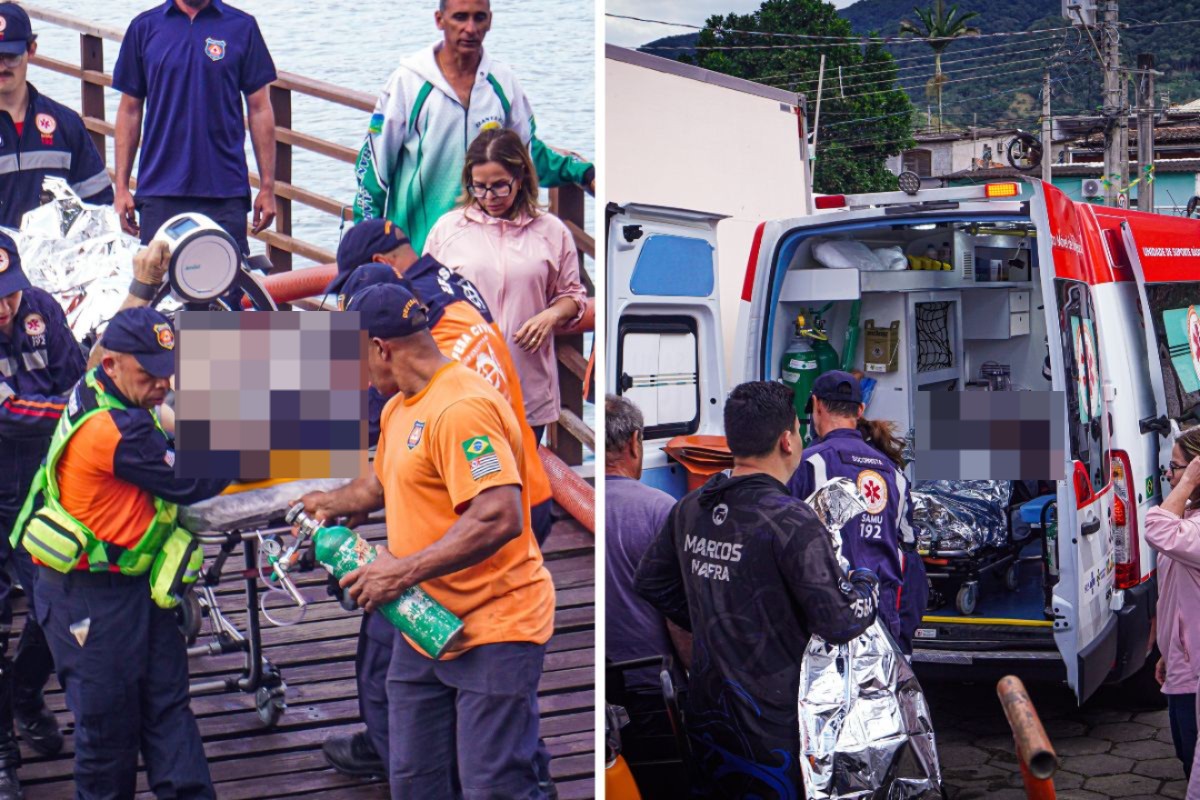
A 50-year-old man has died after a fishing vessel capsized during a severe gale in São Sebastião, located in the North Coast region of São Paulo state, on Wednesday afternoon, November 29th. The boat, carrying five crew members, sank in the São Sebastião Channel near the Cigarras neighborhood. All five individuals were rescued by a private boat and brought to the pier in São Francisco, where they received aid from the Civil Defense and Mobile Emergency Care Service (SAMU). The man who died was found unconscious and, despite resuscitation efforts by SAMU, succumbed en route to the hospital. This incident brings the total confirmed deaths from the strong winds in São Paulo state to three. The other fatalities include a 62-year-old man killed by a falling tree in Cesário Lange and another person struck by a tree in the Baixada Santista region. São Sebastião recorded wind gusts up to 77 km/h, causing widespread damage including fallen trees, power poles, and damaged roofs. Two survivors of the shipwreck sustained no injuries, while two others suffered from hypothermia. Emergency services, including Civil Defense, Municipal Civil Guard, SAMU, and environmental police, remain mobilized to address the storm's aftermath.
This event highlights the vulnerability of maritime activities to extreme weather, underscoring the critical need for robust early warning systems and adherence to safety protocols. The loss of life, despite rescue efforts, points to potential gaps in emergency response coordination and the preparedness of smaller vessels for rapidly deteriorating conditions. As climate patterns evolve, coastal communities and maritime industries must invest in infrastructure resilience and adaptive strategies to mitigate risks associated with increasingly frequent and intense weather events. Future planning should consider enhanced meteorological forecasting for localized areas and mandatory safety equipment and training for all watercraft, particularly those engaged in essential economic activities like fishing.
AI-generated to prompt reflection — not editorial opinion, not advice, not a statement of fact. How this works.