Man Dies After Motorcycle Collision While Crossing Avenue in Feira de Santana
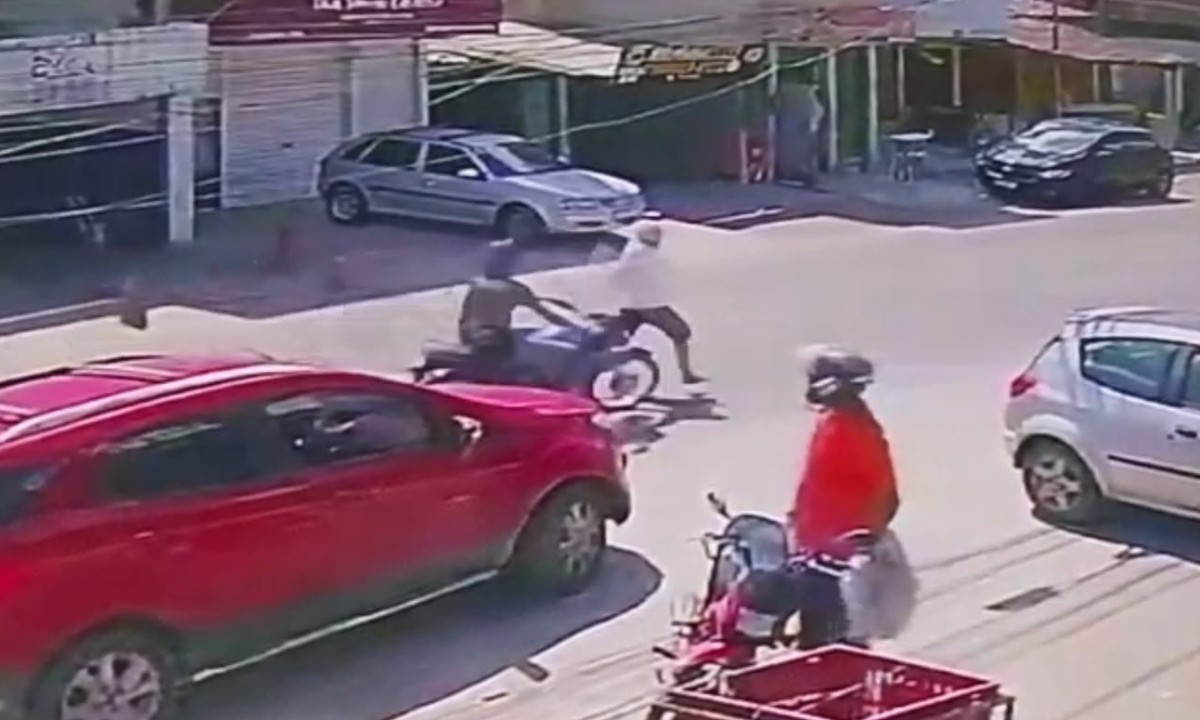
A man identified as José Renato Santos died after being struck by a motorcycle while attempting to cross Avenida Sérgio Carneiro, a section of BA-502, in Feira de Santana, Bahia. The incident occurred around 11 AM on Wednesday, May 8th, at km 58 of the highway, in the Santo Antônio dos Prazeres neighborhood. Security camera footage captured the moment Santos ran across the street and was hit by the motorcycle. He was attended to by the Mobile Emergency Care Service (Samu) and transported to Hospital Geral Clériston Andrade (HGCA), but succumbed to his injuries around 1 PM. Information regarding the condition of the motorcycle pilot, who also fell after the impact, is not available. The Civil Police have registered the case with the 2nd Territorial Police Station (DT) of Feira de Santana and have issued permits for forensic examination and body removal. The circumstances surrounding the accident are under investigation. In a separate incident on the same day, a motorcyclist was seriously injured in a collision with a car on BA-409, between Conceição do Coité and Serrinha. The injured motorcyclist was found unconscious with suspected head trauma and multiple fractures, and was taken to Hospital Português in Conceição do Coité. The 51-year-old car driver sustained a suspected wrist fracture and was also transported to the same hospital. The car driver stated that the motorcyclist made a turn, preventing him from stopping in time to avoid the collision.
This incident highlights the persistent challenges of road safety in urban and intercity areas, particularly concerning pedestrian and motorcycle interactions. The rapid urbanization and increasing vehicle density in cities like Feira de Santana strain existing infrastructure and traffic management systems. The analysis of such accidents often points to a confluence of factors, including adherence to traffic laws by all road users, the condition and design of roadways, and the effectiveness of enforcement. Moving forward, a comprehensive approach involving infrastructure improvements, enhanced public awareness campaigns on road sharing, and potentially the implementation of advanced traffic monitoring technologies could mitigate future occurrences. The systemic issue is not merely individual behavior but the broader urban planning and transportation policies that shape the safety environment for everyone.
AI-generated to prompt reflection — not editorial opinion, not advice, not a statement of fact. How this works.