Man Dies After Two-Hour Ambulance Wait, Sought Help from Neighbors
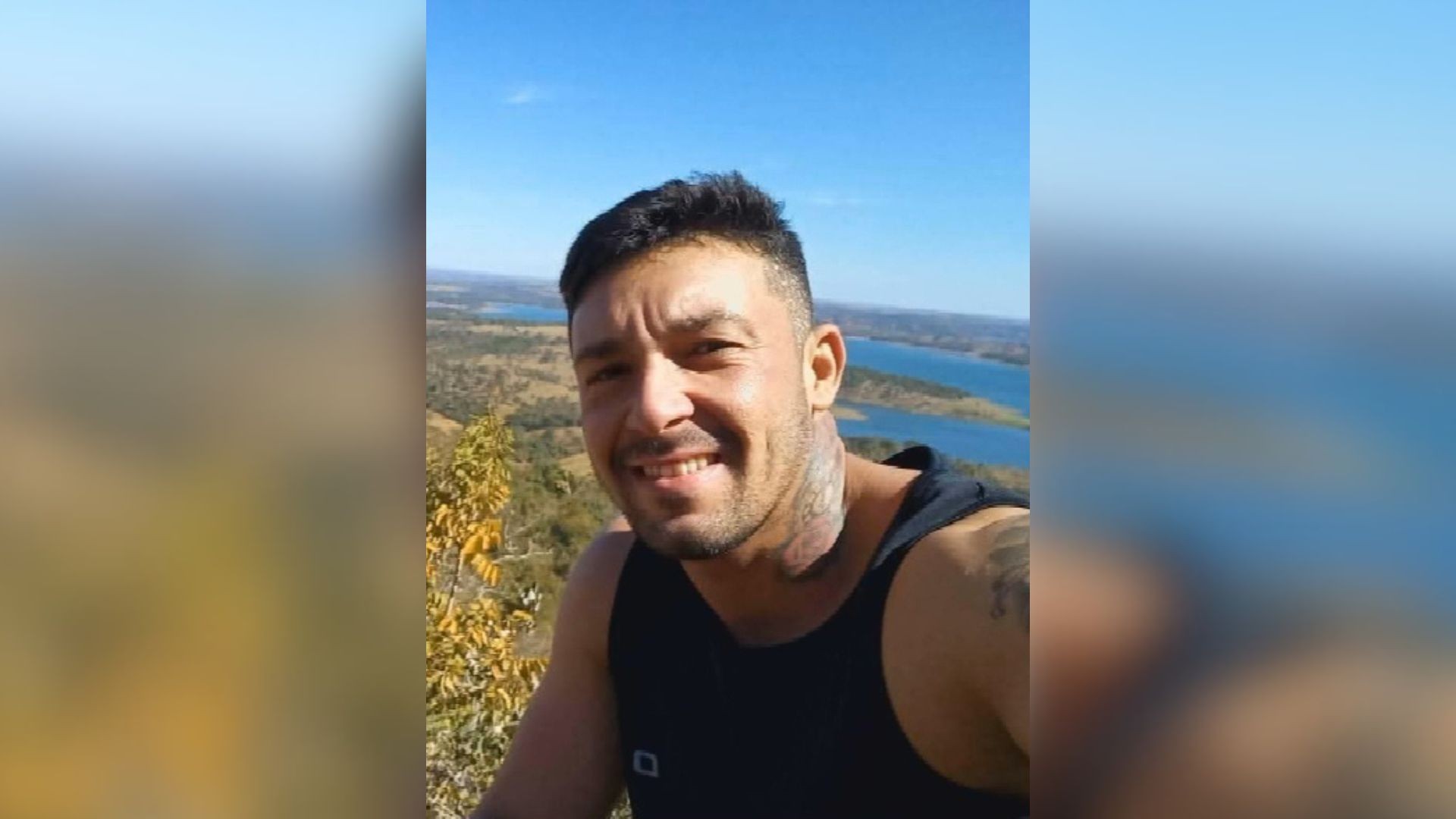
Rafael Vinicius Silva de Souza died in Catalão, Goiás, after waiting approximately two hours for an ambulance. Video footage shows him walking the streets, pleading with residents for assistance without success. Neighbors reported making multiple calls to the Mobile Emergency Service (Samu) and the Fire Department, but were told no vehicles were available. One resident, Bruno Savicki Zanetti Mori, stated his wife called the Fire Department once, and neighbors called dozens of times, always receiving the same response about unavailable units. The Scientific Police have sent Rafael's body to the Institute of Legal Medicine (IML) due to suspicion of exogenous intoxication from narcotics, with final confirmation pending laboratory results expected in 30 to 60 days. The incident occurred on Monday night, May 20th. The Public Prosecutor's Office has launched an investigation into why the Fire Department and Samu were unable to provide aid. Security camera footage captured Rafael appearing disoriented on the street before collapsing. A local firefighter stated that the first registered call was at 10:23 PM and that a rescue unit was dispatched, suggesting potential inconsistencies in the initial reports and that the situation is under internal review. The family of Rafael Vinicius Silva de Souza had not been located as of the report's last update.
This incident highlights critical systemic issues within emergency medical response protocols and resource allocation. The discrepancy between resident reports of unavailable ambulances and the firefighter's statement about a dispatched unit suggests potential communication breakdowns or operational inefficiencies within the emergency services. The investigation by the Public Prosecutor's Office is crucial for clarifying these operational failures and identifying any governance gaps. Moving forward, a review of dispatch algorithms, real-time resource tracking, and inter-agency coordination could strengthen response capabilities. The potential role of drug intoxication, while under investigation, underscores the broader public health challenges that may strain emergency services, necessitating a holistic approach that integrates public health initiatives with emergency response planning.
AI-generated to prompt reflection — not editorial opinion, not advice, not a statement of fact. How this works.