Man Dies After Two-Hour Ambulance Wait; Wife Seeks Justice
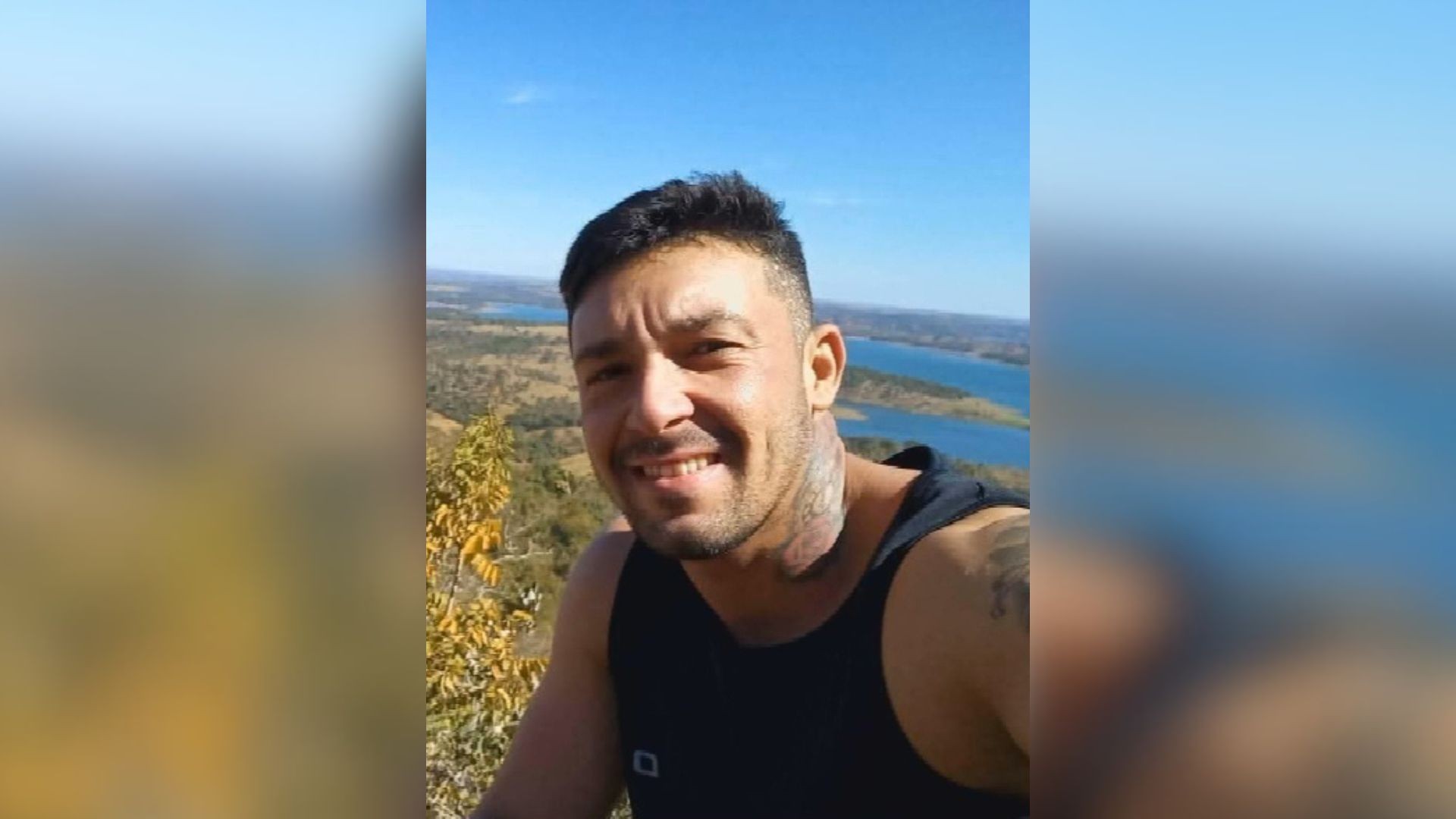
Rafael Vinicius Silva de Souza, a 35-year-old caldeireiro, died in Catalão, Goiás, after waiting two hours for an ambulance. His wife, Keila Silva, a 48-year-old nurse, is devastated and seeking psychological support for herself and their 5-year-old daughter. Security footage captured Rafael walking slowly and desperately seeking help from neighbors, knocking on doors and crying out for assistance. Despite repeated calls to the Fire Department by residents, the ambulance did not arrive promptly. Keila described Rafael as a kind, exemplary father and husband who always helped others, making his own plea for help unanswered deeply painful. She expressed feelings of sorrow, revolt, and anguish, highlighting the irony of his situation given his lifelong altruism. Keila stated that neither the municipality nor the police have offered any support since Rafael's death on July 20th. The couple had been married for 8 years. The Public Prosecutor's Office of Goiás has initiated an investigation into the incident, requesting information from both the Fire Department and SAMU (Mobile Emergency Care Service) in Catalão to determine the next steps.
This tragic event highlights critical systemic failures in emergency medical response protocols. The extended delay in ambulance arrival, despite multiple calls from concerned neighbors, raises serious questions about resource allocation, dispatch efficiency, and inter-agency coordination within Catalão's public services. The wife's profound distress and lack of public support underscore the human cost of such breakdowns. Moving forward, a thorough, transparent investigation is essential to identify and rectify the specific operational deficiencies that led to this preventable loss of life. Examining the response times, communication channels between emergency services, and the established protocols for critical medical emergencies will be crucial. The incident serves as a stark reminder of the imperative for robust and reliable public health infrastructure, particularly in ensuring timely access to life-saving care, which is a fundamental expectation of citizens in any society.
AI-generated to prompt reflection — not editorial opinion, not advice, not a statement of fact. How this works.