Man Dies During Arrest in Bologna, Sparking Protests and Comparisons to George Floyd
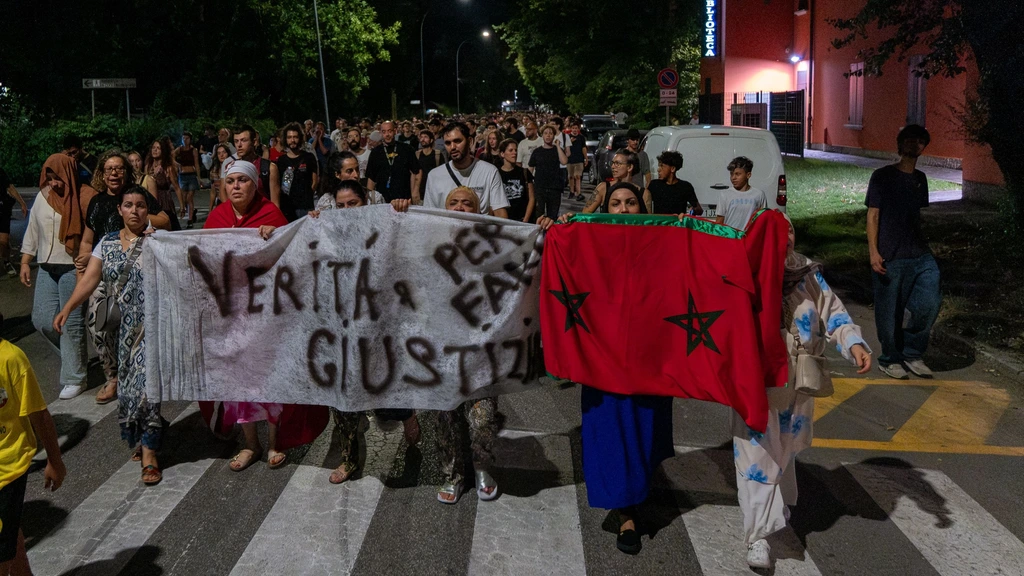
A 43-year-old entrepreneur, Abderrahim Fakir, died in Bologna, Italy, following a violent arrest attempt on Tuesday. Fakir, who owned a small moving and cleaning company, was reportedly behaving aggressively and had damaged a parked car, prompting neighbors to call the police. Responding officers requested medical assistance, describing Fakir as experiencing psychosis. They then used pepper spray and, with the help of bystanders, restrained him by pressing him to the ground. Witness footage shows officers holding Fakir down, with his face pressed into the asphalt, while he repeatedly cried for help. He eventually lay motionless with his arms behind his back. The incident has drawn comparisons to the death of George Floyd in 2020, with Fakir's last words reportedly being "aiuto" (help) and "basta" (stop). His sister stated that her unarmed brother was beaten and bound until he died, demanding retribution. Approximately two hundred people gathered in Bologna to protest the incident, chanting anti-police slogans and making a fist-on-knee gesture similar to Black Lives Matter protests. Further demonstrations are planned. The political reaction is divided; Bologna's center-left mayor and unions support the protests, while the right-wing Lega party stated the officers were performing their duty. The Italian Public Prosecutor's Office has launched an investigation into the two police officers and four healthcare workers involved.
The tragic death of Abderrahim Fakir during an arrest in Bologna highlights critical issues in law enforcement's use of force and de-escalation protocols, particularly when dealing with individuals exhibiting signs of mental distress. The visual evidence and witness accounts, which have drawn parallels to the George Floyd case, necessitate a thorough and transparent investigation into the actions of the officers and medical personnel involved. The differing political reactions underscore a societal divide regarding trust in police and the appropriate response to perceived public disturbances versus potential human rights violations. Moving forward, the focus should be on refining training for law enforcement to better handle mental health crises, emphasizing de-escalation techniques and the judicious use of restraint, to prevent such fatalities and rebuild community confidence. The incident serves as a stark reminder of the imperative for robust oversight mechanisms and accountability within policing.
AI-generated to prompt reflection — not editorial opinion, not advice, not a statement of fact. How this works.