Man dies of heart attack while driving in Paraná after sending audio asking for help
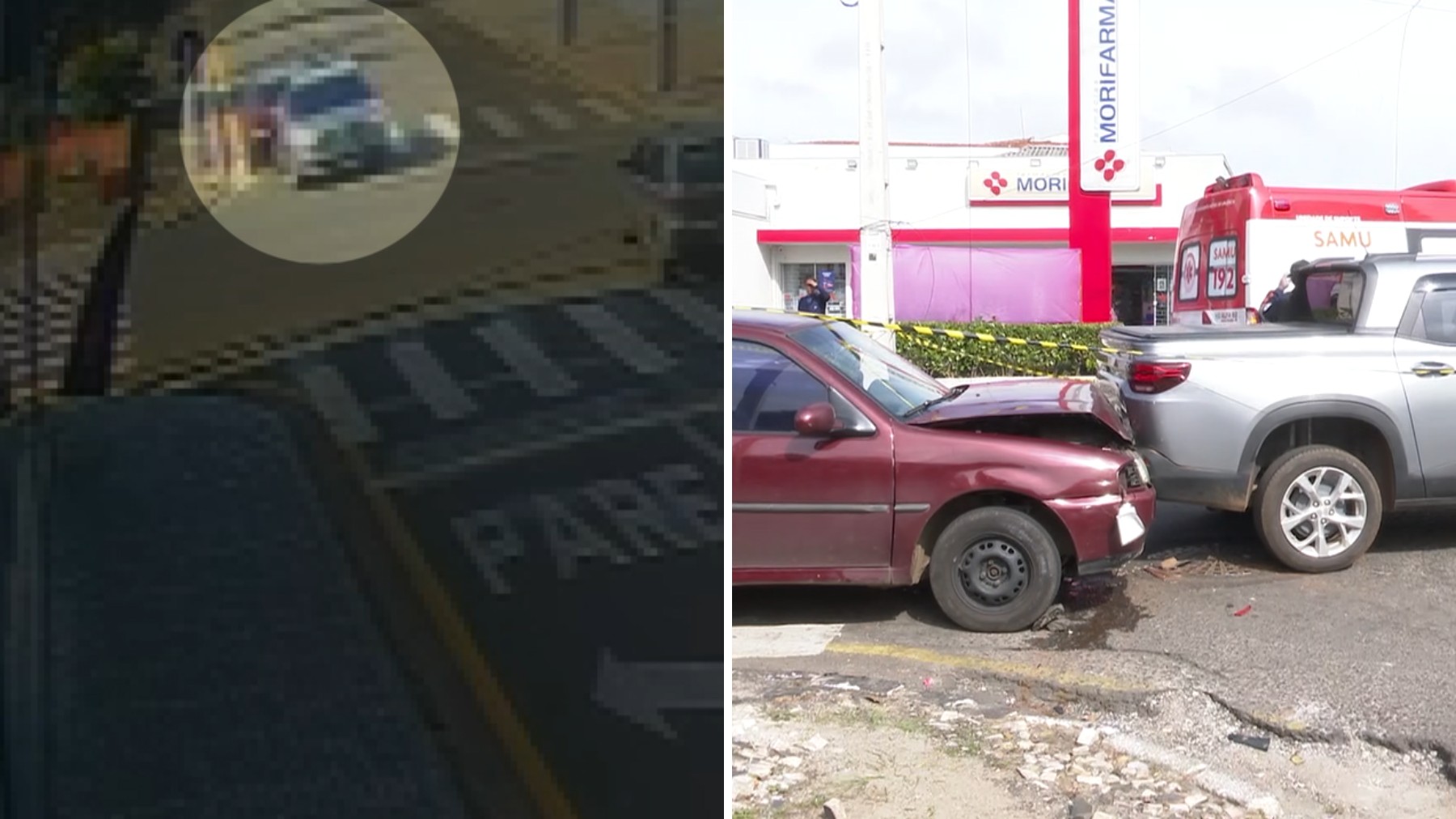
Geraldo Machado Ferreira, a 57-year-old merchant, died of a heart attack on Saturday, May 4th, while driving in Ponta Grossa, Paraná. Minutes before the incident, he sent an audio message to his family stating he was not feeling well. While experiencing the medical emergency, he collided with the rear of a pickup truck. However, the Mobile Emergency Care Service (Samu) confirmed that the cause of death was the heart attack itself, not injuries from the crash. The accident was captured on security camera footage. The occupants of the pickup truck, including the driver, were unharmed. Two of Geraldo's nephews, aged 1 and 6, were in his car and also escaped injury. Police reported that the pickup truck driver noticed the rear impact and found Geraldo showing signs of distress. Medical teams arrived and pronounced him deceased. Preliminary forensic evaluation indicated a sudden illness as the likely cause of death, with no injuries consistent with the collision impact being found. The incident occurred around 11:20 AM at the intersection of General Rondon and Maurício de Nassau streets in the Nova Rússia neighborhood. Geraldo Machado Ferreira, originally from Ivaí, was buried in his hometown on Sunday, May 5th.
This event highlights the critical intersection of individual health emergencies and public safety. While the immediate cause of death was a medical event, the incident underscores the inherent risks associated with operating heavy machinery, such as vehicles, when experiencing sudden incapacitation. Future considerations might involve advancements in vehicle safety systems that can detect driver distress or automatically mitigate collisions in such scenarios. Public health initiatives focusing on early detection and management of cardiovascular conditions could also play a role in preventing similar tragedies. The analysis focuses on systemic risk mitigation rather than individual blame, acknowledging the unpredictable nature of sudden medical events while prompting thought on technological and public health solutions.
AI-generated to prompt reflection — not editorial opinion, not advice, not a statement of fact. How this works.