Man Dies Outside Brasília Hospital After Alleged Delayed Care
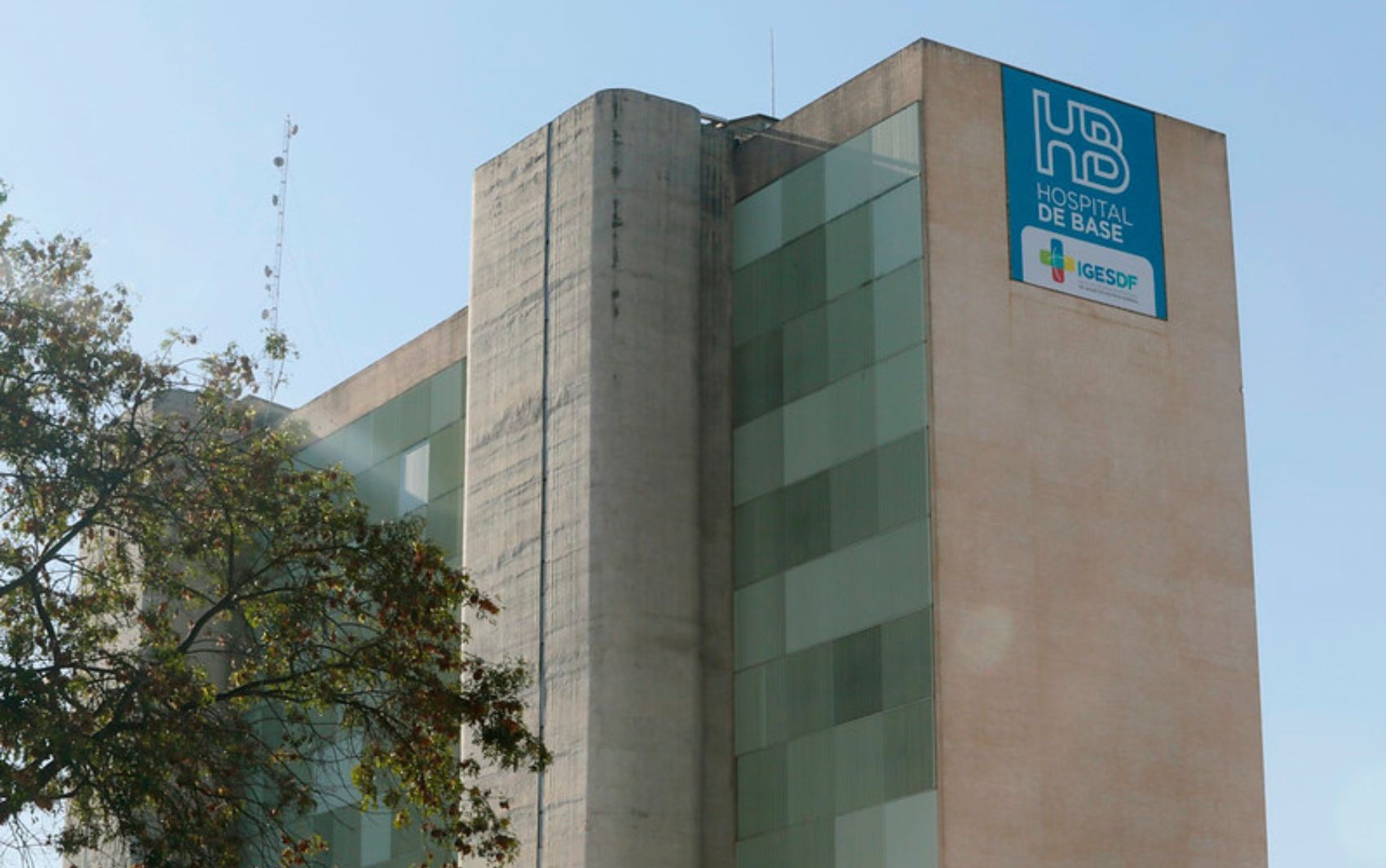
A 46-year-old man, Rodrigo Resende Prado, died outside the Hospital de Base in Brasília on Sunday, August 12th, after his family alleges he experienced a severe lack of immediate medical attention. Prado reportedly arrived at the hospital with intense shortness of breath and repeatedly sought help, but his family claims staff only intervened after he lost consciousness. Paramedics attempted resuscitation, but he could not be revived and passed away at the scene. This incident follows a previous visit by Prado to the same hospital on Friday, August 10th, where he received treatment and was discharged. The Institute for Strategic Health Management of the Federal District (IgesDF), which manages the hospital, stated that the patient left the reception area after registration and subsequently suffered a sudden illness. IgesDF claims their team was immediately alerted to his distress and he was taken to the Red Room for advanced life support measures, asserting that all protocols were followed. An internal investigation has been launched by IgesDF to review the circumstances. This event echoes a prior incident on June 20th, where a 49-year-old man died in a UPA waiting room in Recanto das Emas after waiting over 12 hours, though the government stated he had not sought formal attention. The family of that man described perceived neglect during previous hospital visits.
This incident highlights critical systemic challenges within public healthcare access and emergency response protocols. The family's account suggests a potential gap between patient need and timely intervention, raising questions about triage efficiency and staff responsiveness under pressure. While the hospital administration asserts adherence to protocols and has initiated an internal review, the recurring nature of such tragic events in Brasília underscores the need for continuous evaluation of resource allocation, staff training, and patient flow management. Examining the underlying incentive structures for healthcare providers and the impact of patient volume on emergency care quality is crucial for identifying and rectifying systemic vulnerabilities to prevent future occurrences and ensure equitable access to life-saving treatment.
AI-generated to prompt reflection — not editorial opinion, not advice, not a statement of fact. How this works.