Man Dies Outside Brasília Hospital; Sister Pleads for Help in Video
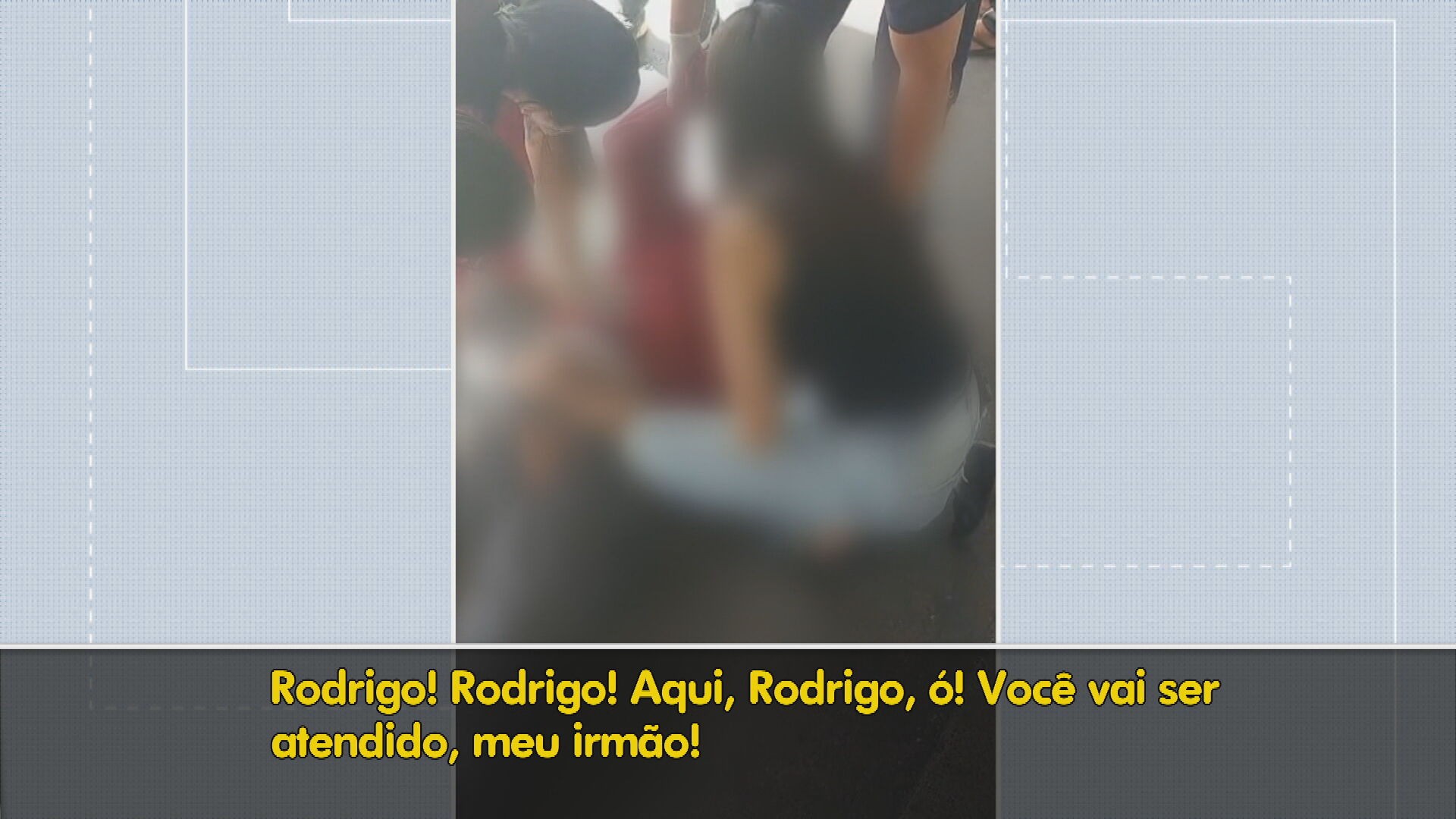
A 46-year-old man, Rodrigo Resende Prado, died on the sidewalk in front of the Hospital de Base in Brasília on Sunday, May 12th. According to his family, Prado arrived at the hospital experiencing severe shortness of breath and repeatedly requested assistance, but did not receive immediate attention. Witness videos capture the distress of his sister, who accompanied him, as she desperately pleaded with hospital staff to help her brother. Family members stated that medical personnel only intervened after Prado lost consciousness. Despite attempts by the hospital staff to resuscitate him, he passed away at the scene. Prado had previously visited the Hospital de Base on Friday, May 10th, where he received treatment and was discharged. He returned on Sunday after feeling unwell again. The Instituto de Gestão Estratégica de Saúde do Distrito Federal (IgesDF), which manages the hospital, stated that the patient left the reception area after registration and subsequently experienced a sudden medical event. IgesDF claims that upon learning of his condition, he was immediately taken to the Red Room for advanced life support measures. The institute has initiated an internal investigation into the incident. IgesDF expressed regret over the death and offered condolences to the family, asserting that all care provided followed established emergency protocols, but the patient did not respond to resuscitation efforts.
This incident highlights critical concerns regarding emergency medical response protocols and patient access to care. The discrepancy between the family's account of delayed assistance and the IgesDF's statement of immediate action and adherence to protocols warrants thorough investigation. Such events underscore the importance of transparent oversight mechanisms within public healthcare systems to ensure accountability and prevent future tragedies. Analyzing the hospital's resource allocation, staffing levels during peak times, and the effectiveness of its triage system will be crucial. In the evolving landscape of healthcare, where patient volume and acuity are increasing, robust systems must be in place to guarantee timely and effective intervention, especially for life-threatening conditions.
AI-generated to prompt reflection — not editorial opinion, not advice, not a statement of fact. How this works.