Man Escapes Bahia Police Station After Breaking Five Padlocks
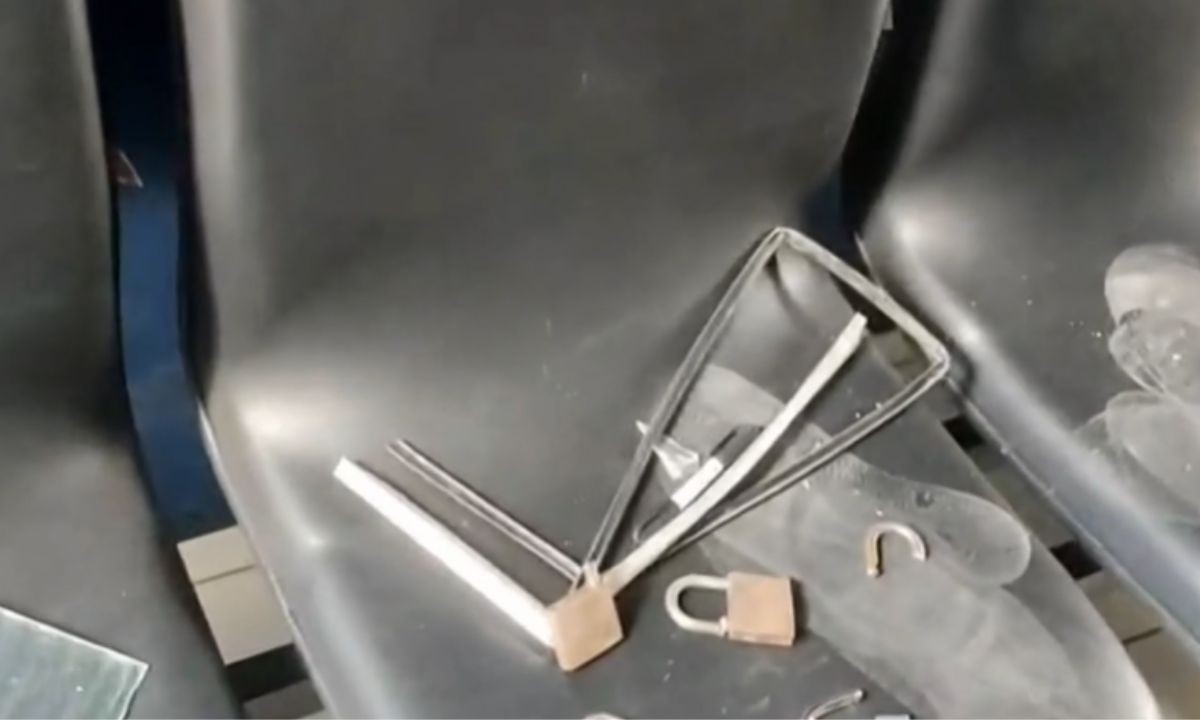
A 30-year-old man, identified as Diego Silva Conceição, escaped from a police station in Ituaçu, Bahia, on Sunday, December 12th, after breaking five padlocks. Conceição had been arrested on Friday, December 10th, for theft. He managed to escape by using a blanket to pull a metal trap from a neighboring cell, which he then used to break the locks on several doors, including his own cell. During his escape, he entered an office within the station, stealing drugs and a revolver before fleeing to Vitória da Conquista. The following day, December 13th, Conceição voluntarily surrendered to the police in Vitória da Conquista, accompanied by his wife. He claimed to have had a "psychotic break." However, the stolen revolver was not recovered. Authorities are investigating who may have received the stolen drugs. Conceição has been transferred to the Territorial Police Station in Brumado and is awaiting judicial proceedings. The police are also investigating the circumstances of the theft of the drugs and the firearm.
This incident highlights potential vulnerabilities in correctional facility security, particularly concerning the availability of tools and the integrity of cell structures. The suspect's ability to acquire and utilize an improvised tool to breach multiple locks suggests systemic weaknesses that warrant review. The subsequent theft of drugs and a firearm during the escape introduces additional security and public safety concerns, indicating a breakdown in containment protocols. The suspect's voluntary surrender and claim of a "psychotic break" may influence legal proceedings, but the recovery of stolen items and the investigation into their transfer are critical for assessing the full impact of the breach. Future considerations should include enhanced monitoring of inmate activities, improved physical security measures, and protocols for managing contraband within detention centers to prevent similar occurrences and mitigate associated risks.
AI-generated to prompt reflection — not editorial opinion, not advice, not a statement of fact. How this works.