Man Fatally Shot in Salvador Brothel; Second Victim Injured Fleeing Through Window
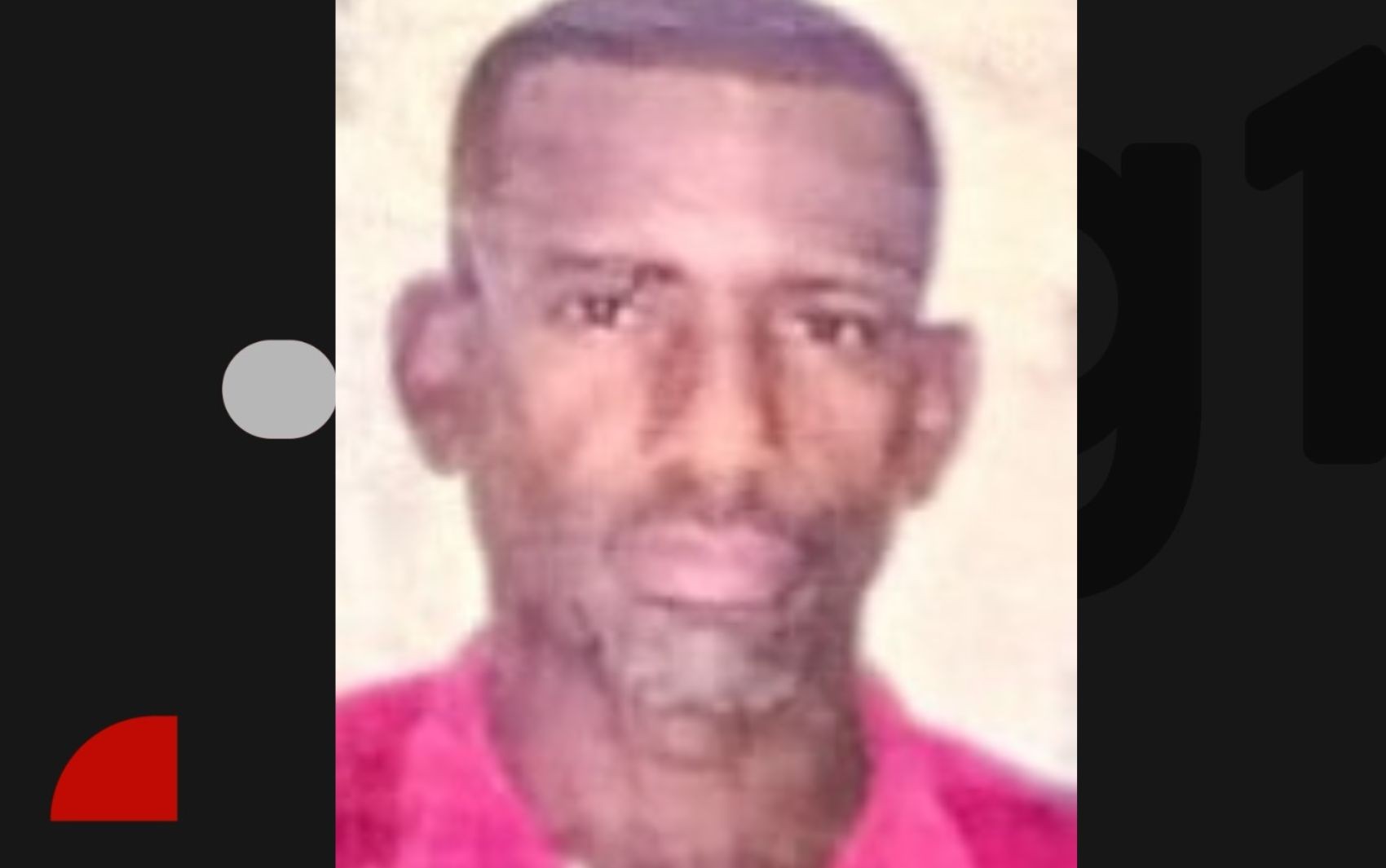
A 39-year-old man, identified as Josemar Oliveira dos Santos, was killed in a shooting at a brothel in the Narandiba neighborhood of Salvador, Bahia, early Wednesday morning, August 22nd. Police were alerted around 1 AM to the incident on Edgar Santos Avenue, where they found the victim deceased inside the establishment. The scene was secured for forensic examination by the Civil Police and Technical Police Department. Approximately two hours later, military police responded to a second victim located on Cledenor Soares Street in the Doron Complex. This individual reported being present at the brothel during the armed invasion and shooting. To escape, they fled through a window and were subsequently assisted by an emergency medical service, receiving transport to the State General Hospital (HGE). The second victim also stated that the assailants stole cell phones from patrons during the criminal act. The case is under investigation by the 2nd Homicide Division (DH/Central), which is working to identify the perpetrators and the motive behind the killing. The brothel's location is specified as Salvador, Bahia.
This incident highlights persistent public safety challenges in urban areas, particularly concerning organized crime and violence. The attack on a brothel, resulting in a fatality and injuries, points to potential conflicts over illicit activities or territorial disputes. The subsequent robbery of cell phones suggests that financial gain was a secondary motive or opportunistic element. The investigation's focus on identifying perpetrators and motives is crucial for understanding the underlying dynamics. From a systemic perspective, such events underscore the need for effective law enforcement strategies, community engagement, and addressing socioeconomic factors that may contribute to criminal activity. The response by multiple police units and forensic teams indicates established protocols for serious crimes, but the occurrence itself suggests gaps in prevention or immediate response capabilities in specific localities.
AI-generated to prompt reflection — not editorial opinion, not advice, not a statement of fact. How this works.