Man Held Captive for Drug Debt, Forced to Buy Motorcycle and Bicycle in Colatina
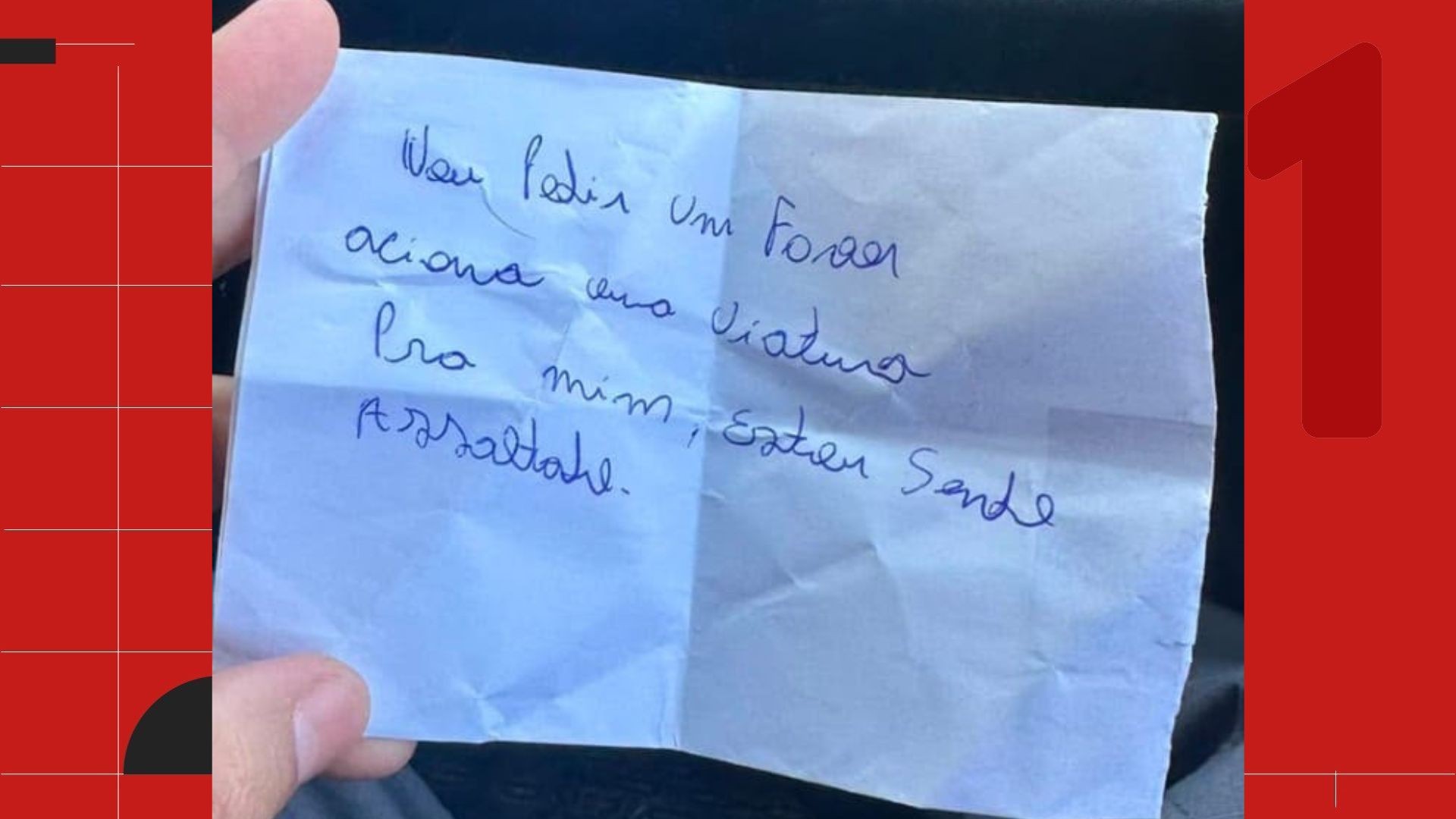
A man was rescued in Colatina, Espírito Santo, Brazil, after being held captive for two days and forced to finance a motorcycle to settle a drug debt. The ordeal began on Thursday, September 9th, when the victim, identified as P.S.M.J., left work and began consuming crack cocaine. He initially purchased drugs on credit, accumulating a R$500 debt. On Friday night, September 10th, his captors, Kauã da Silva Martins and Jhuan Cunha Mendes, allegedly took him to an abandoned house, where he claims he was assaulted and had personal documents and a silver chain stolen. He was then threatened and compelled to attempt financing a motorcycle in his name to pay off the debt, though this initial attempt was unsuccessful. The victim was subsequently held in the abandoned house until Saturday morning, September 11th. Later that day, the captors took the victim by bus to the city center to try and purchase a bicycle, at which point they were approached by police responding to a tip about extortion. The victim had discreetly alerted store employees to call the police by passing a note. During the police apprehension, officers recovered a pair of scissors, a cell phone, and a silver chain from Kauã da Silva Martins, which the victim identified as items taken from him. Martins and Mendes were arrested for extortion and kidnapping and taken to the 15th Regional Police Station of Colatina.
This incident highlights the dangerous intersection of drug addiction and organized crime, where vulnerable individuals can become trapped in cycles of debt and coercion. The victim's ability to signal for help through a note demonstrates resilience, while the perpetrators' methods underscore a pattern of exploiting addiction for financial gain through intimidation and violence. Future efforts to combat such crimes might consider integrated approaches that address both law enforcement and public health, focusing on addiction treatment accessibility and disrupting the illicit drug supply chains that enable these exploitative dynamics. Understanding the economic incentives for criminal actors in this space is crucial for developing effective preventative strategies.
AI-generated to prompt reflection — not editorial opinion, not advice, not a statement of fact. How this works.