Man jailed 2.5 years for 1990 rape in Bodegraven, identified via DNA
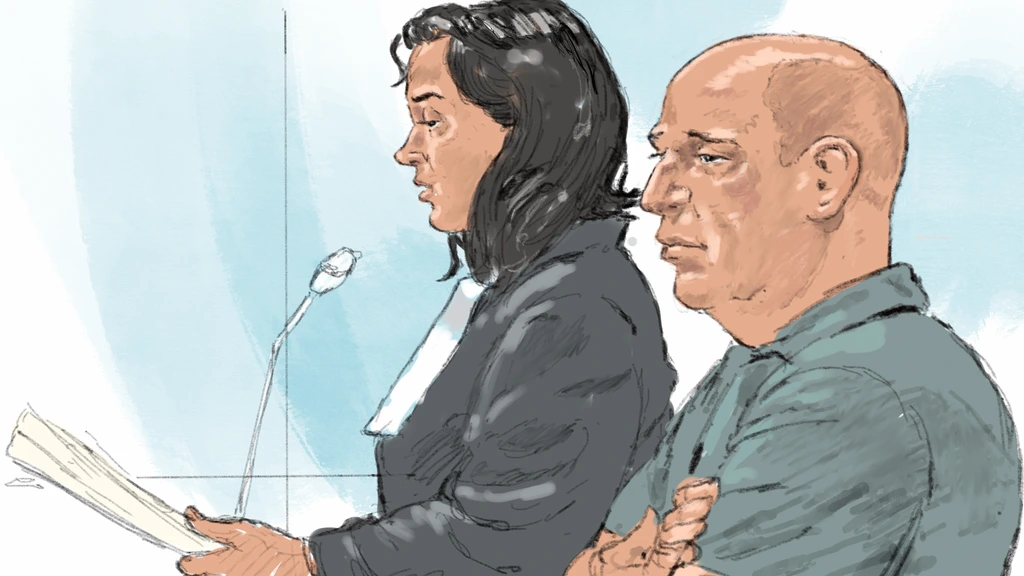
A 59-year-old man has been sentenced to 2.5 years in prison for the rape of a 14-year-old girl in Bodegraven in 1990. The perpetrator, Willem V. from Altena, was apprehended last year thanks to a DNA match with a profile in a British database. His DNA was registered in the UK from a 2003 case, though he was acquitted in that instance. The DNA information was shared with the Netherlands in 2022 under a bilateral agreement. Upon voluntary DNA submission by V. following his arrest, the match confirmed his identity. He has been in custody since his arrest last year. The court noted that V. remained silent for over 35 years, prolonging the victim's uncertainty. The now 50-year-old victim testified that she has felt unsafe in her home since the assault and expressed resentment that the perpetrator would not have confessed without the DNA evidence. During the search of V.'s home after his arrest, weapons and ammunition were discovered, leading to a conviction for illegal possession. The court imposed a sentence lower than the prosecution's request of four years, citing the sentencing standards for rape in 1990. Additionally, V. must pay the victim approximately 680 euros, equivalent to the maximum 1500 guilders awarded at the time for damages.
This case highlights the enduring impact of historical crimes and the evolving capabilities of forensic science in achieving justice. The utilization of international DNA data sharing, even from a prior acquitted case, demonstrates the increasing interconnectedness of law enforcement and the potential for cold cases to be resolved decades later. The court's consideration of 1990 sentencing norms versus current standards reflects the dynamic nature of legal frameworks and societal views on punishment. This situation prompts reflection on the balance between timely justice and the eventual accountability for past offenses, particularly concerning the psychological toll on victims who experience prolonged periods of uncertainty and lack of closure.
AI-generated to prompt reflection — not editorial opinion, not advice, not a statement of fact. How this works.