Man jailed for smuggling 257 endangered parrot eggs from Nicaragua to Netherlands
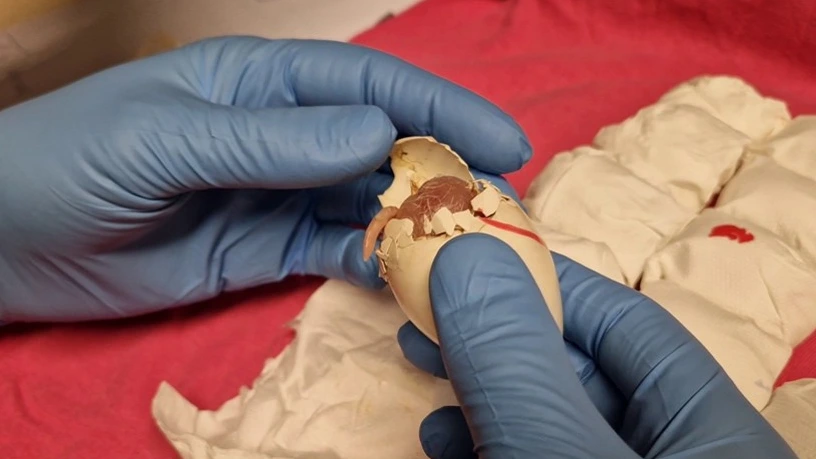
A man has been sentenced to 100 days in prison for smuggling hundreds of eggs from rare and protected parrot species from Nicaragua to the Netherlands. He was apprehended at Schiphol Airport on March 24th while traveling with his wife. Customs officials discovered 257 parrot eggs, carefully packed in paper and wrapped in T-shirts, hidden within two sports bags in their hand luggage. The couple also had equipment designed to keep the eggs warm during their journey. The man initially claimed he believed he was transporting chicken eggs for an Asian dish, but the court did not accept this explanation. Investigations revealed that the couple was paid to transport the eggs via Schiphol to their final destination in Hong Kong. The court determined that the man was aware he was engaged in illegal transport. The eggs were confiscated by the Netherlands Food and Consumer Product Safety Authority (NVWA) and placed in care facilities. Of the 257 eggs, 232 hatched, allowing experts to identify the protected species, including yellow-naped amazons, a species with a wild population of only 2,500 individuals. The court found the man's actions contributed to the illegal trade of critically endangered species, deeming the offense serious enough to warrant a prison sentence. While the Public Prosecution Service had sought an 18-month sentence, the court imposed a 270-day sentence, with 170 days suspended, taking into account the defendant's personal circumstances, including having two minor children. His wife will be tried separately.
This case highlights the significant global challenge of illegal wildlife trafficking, particularly concerning endangered species. The smuggling attempt, involving hundreds of eggs of critically endangered parrots, underscores the lucrative nature of the black market for exotic animals and their products. The court's decision to impose a custodial sentence reflects a judicial stance against such activities, recognizing their detrimental impact on biodiversity. The incident also points to the vulnerabilities in international transit hubs like Schiphol Airport, necessitating continued vigilance and advanced detection methods by customs and border control agencies. Future efforts should focus on strengthening international cooperation, enhancing enforcement capabilities, and addressing the demand side of the illegal wildlife trade through public awareness and education campaigns.
AI-generated to prompt reflection — not editorial opinion, not advice, not a statement of fact. How this works.