Man Jailed for Storing Mother's Body in Freezer for Three Years
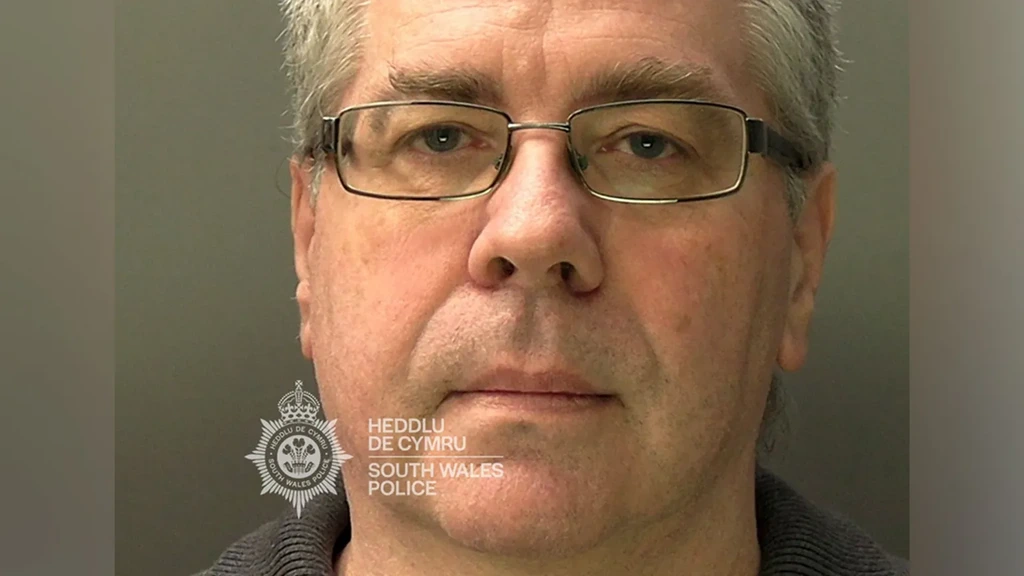
A 60-year-old man from Wales, Christopher Philips, has been sentenced to two years and four months in prison for keeping his 89-year-old mother's body in a freezer for nearly three years. Philips was arrested in February of this year after his mother's doctor became concerned about not being able to contact her. When the doctor alerted authorities, Philips initially told police his mother was in London, a claim they disbelieved. Officers subsequently entered his home in Porthcawl, Wales, and discovered the freezer in the living room containing his deceased mother. She was wrapped in a leopard-print blanket with pink roses on her body, and a birthday card from her son, signed by Christopher and the family dog Tina, was also found inside. Philips admitted his mother died in March 2023 and explained to police that he did not want to let her go. His lawyer stated that Philips treated her as if she were still alive, talking to her about television and horse racing as they used to. The pair had already been living a reclusive life before her death, which allowed Philips to conceal her passing for so long. During this period, he continued to collect her medication and received approximately 100,000 euros in benefits and pension payments.
This case highlights the profound psychological impact of grief and isolation, leading to an extreme and unconventional response to loss. The son's actions, while disturbing, appear rooted in a refusal to accept his mother's death and a desire to maintain their established routines. The financial aspect, involving the continued collection of benefits and pension, suggests a complex interplay between emotional distress and practical considerations, potentially indicating a long-standing reliance on his mother's income or a desperate attempt to preserve their shared financial reality. The situation raises questions about the adequacy of social support systems for individuals living in isolation and the challenges faced by healthcare professionals in identifying and intervening in such private, reclusive circumstances. Future societal frameworks may need to consider more proactive outreach and support mechanisms for vulnerable individuals and their caregivers, particularly in cases of extreme social withdrawal.
AI-generated to prompt reflection — not editorial opinion, not advice, not a statement of fact. How this works.
