Man Kills Ex-Partner in São Vicente, Cites 'Habit' of Carrying Knife
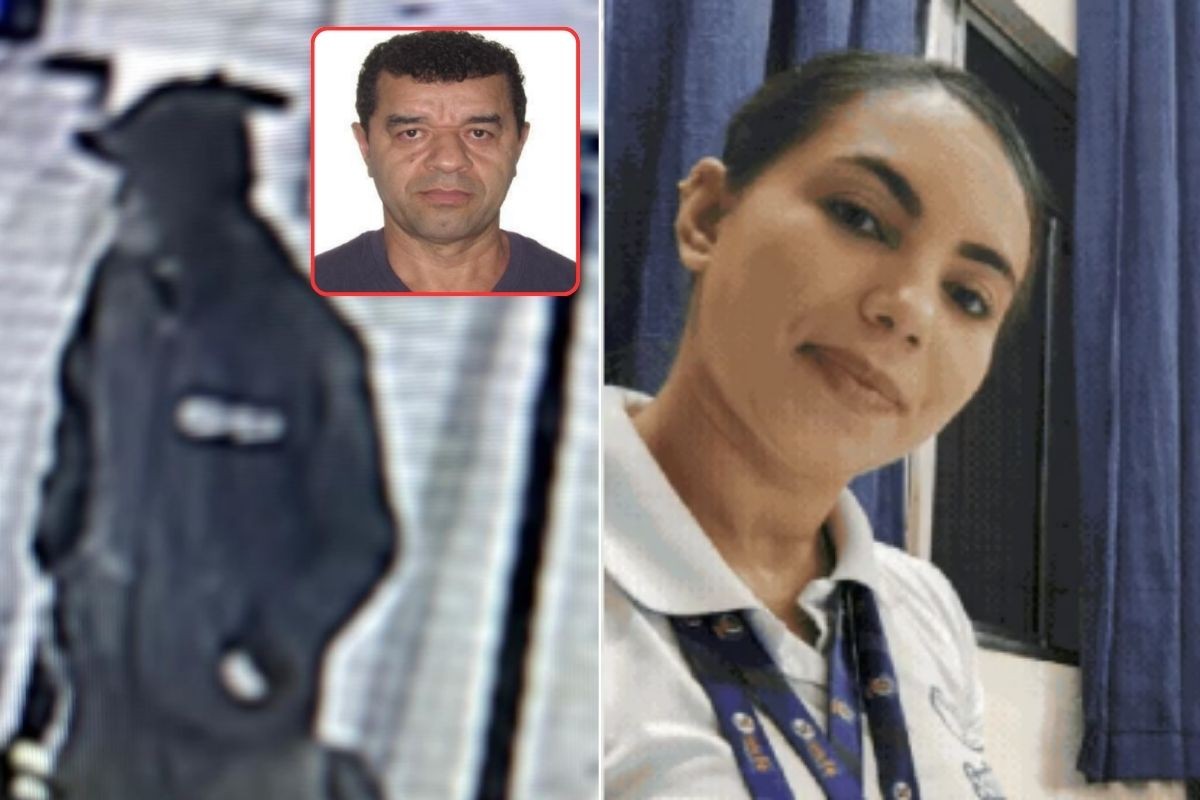
A 56-year-old construction worker, Severino Alves Pereira, has been arrested for fatally stabbing his 37-year-old ex-partner, Paula Santos da Silva, in São Vicente, on the coast of São Paulo, Brazil. Pereira confessed to the police that he had a habit of carrying a knife but had never used it before. He claims he "lost his head" during an argument with Silva. The suspect had been performing maintenance work at the building where Silva lived and had a brief relationship with her. Unable to accept the breakup, he waited for Silva to leave her job on Monday night, November 13th, and attacked her on Rua Tibiriça in the city center. Silva managed to walk a short distance before collapsing in front of her apartment building on Rua Frei Gaspar. Emergency services were called, but a doctor confirmed her death at the scene. A witness, a security guard at the shopping mall where Silva worked, reported that Pereira had approached him shortly before the crime, inquiring about Silva's work status. Pereira reportedly stated he would wait for his "wife" at home and was observed loitering outside the establishment. In his statement, Pereira admitted to dating Silva for a few months and aspiring to marry her, but mentioned being blocked by her and discovering a conversation with her ex-boyfriend. He stated he went to talk to her but became enraged and stabbed her, not recalling the number of times. After the attack, he disposed of the knife in a mangrove swamp and returned to the scene, where he was apprehended. He is being held on charges of qualified femicide, with aggravating factors of ambush and the use of means that hindered the victim's defense. Silva's biological father has taken custody of her daughter.
This incident highlights the critical issue of domestic violence and femicide, often stemming from possessiveness and an inability to accept relationship endings. The perpetrator's statement about carrying a knife as a "habit" and "losing his head" points to a potential pattern of aggression and a lack of emotional regulation, rather than a spontaneous act. The legal classification of femicide with aggravating factors suggests a premeditated nature, contradicting the claim of an uncontrolled outburst. This case underscores the societal challenge of identifying and intervening in escalating domestic disputes before they reach a fatal conclusion, emphasizing the need for robust support systems for individuals experiencing relationship termination and for early detection of potentially dangerous behaviors.
AI-generated to prompt reflection — not editorial opinion, not advice, not a statement of fact. How this works.