Man Kills Wife, Then Dies by Suicide in Acre; Suspect Was Retired Firefighter
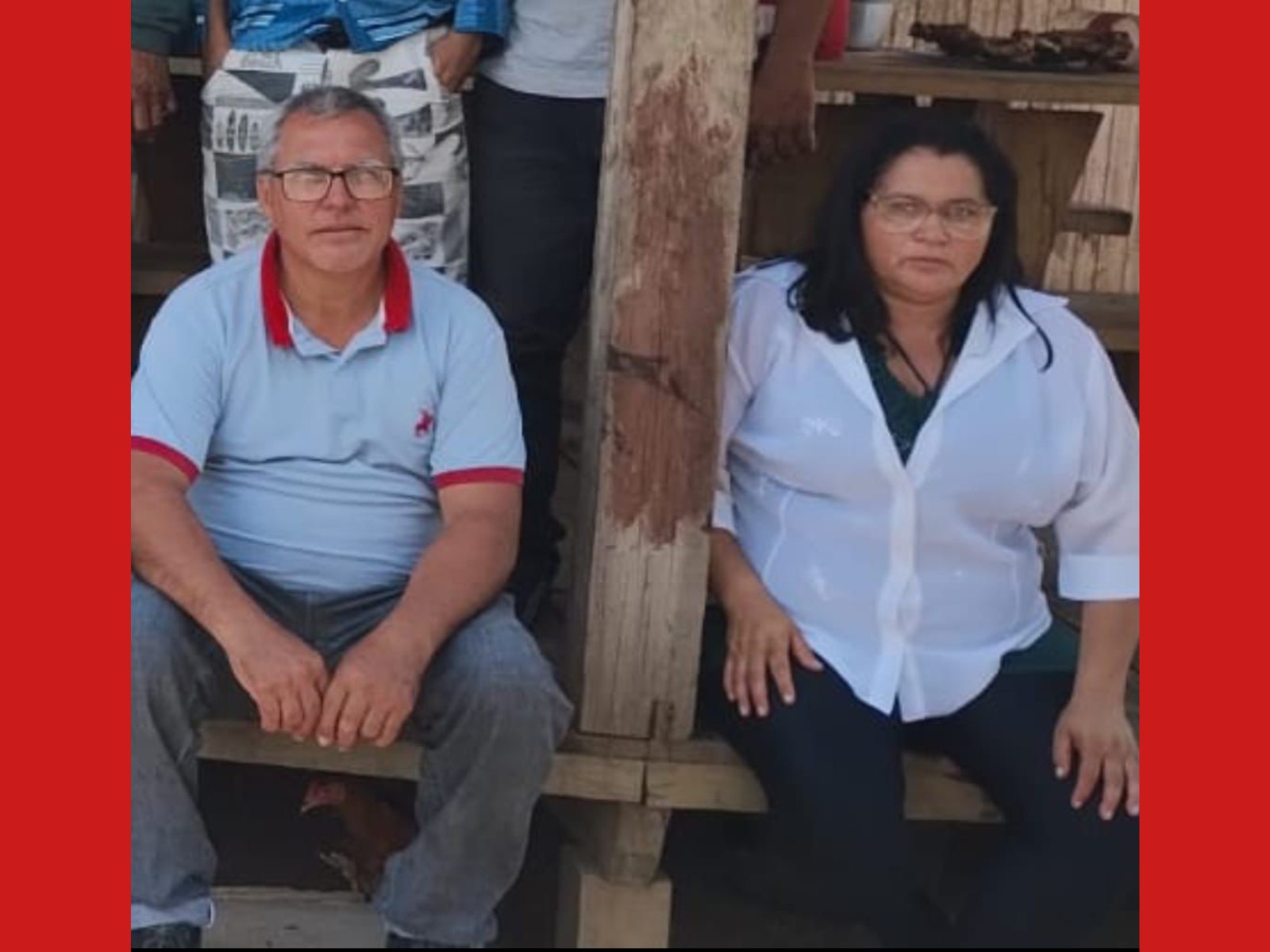
In Acre, Brazil, a 49-year-old woman, Maria Ferreira da Silva Almeida, was fatally stabbed by her husband, 58-year-old retired firefighter Osmar Pinheiro da Silva. The crime occurred on Monday night, November 6th, on a highway connecting Manoel Urbano and Feijó. This incident marks the second femicide in Acre within two days, following another on Sunday, November 5th, in Cruzeiro do Sul. According to the Military Police, immediately after the attack, Osmar entered a room in their home and took his own life, where he was later found deceased. The delegate in charge of the case, Rêmullo Diniz, stated that neighbors and the couple's daughter will be interviewed on Tuesday, November 7th. A witness reported hearing the couple arguing inside the residence before Maria cried out for help. Upon investigating, the witness found Maria outside the house with fatal injuries. The area was secured for forensic analysis and the removal of the bodies by the Medical Legal Institute. The Civil Police will investigate the circumstances surrounding both the murder and the man's subsequent suicide. The Military Police provided several phone numbers for reporting violence against women in Acre, including specific hotlines and general emergency services.
This tragic event highlights a critical issue of domestic violence, underscoring the persistent challenge of femicide in Brazil, with Acre experiencing a high rate. The perpetrator's act of killing his wife and then committing suicide suggests a complex interplay of factors, potentially including severe psychological distress, a perceived lack of control, or an extreme response to relationship conflict. Investigations into the couple's history, including any prior reports of domestic abuse or protective measures, will be crucial for understanding the immediate precursors. Systemically, such incidents point to the ongoing need for robust support systems for individuals experiencing domestic conflict, effective intervention strategies for potential perpetrators, and accessible resources for victims. The state's role in preventing such violence through education, legal frameworks, and enforcement remains paramount, particularly in regions disproportionately affected by femicide.
AI-generated to prompt reflection — not editorial opinion, not advice, not a statement of fact. How this works.