Man Masturbating in Condo Gym Faces Expulsion After Video Goes Viral
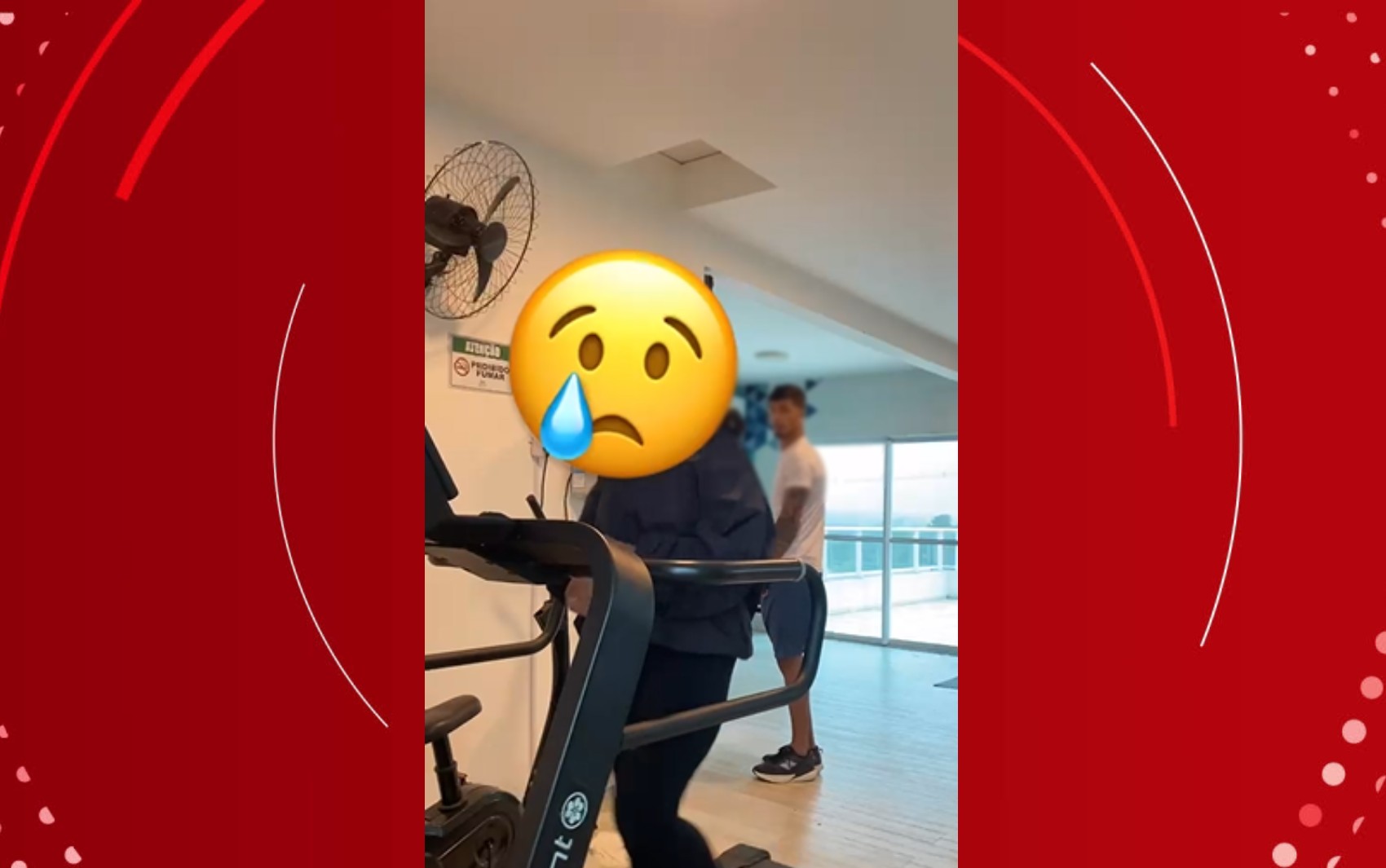
A disturbing incident occurred on Sunday, March 19th, in Feira de Santana, Bahia, Brazil, when a woman exercising in her condominium's gym became the victim of sexual harassment. A video circulated widely on social media, showing a man masturbating behind the unsuspecting woman as she used a treadmill. The 35-year-old victim reported the man for sexual harassment. Following the incident, the suspect reportedly left the condominium and had not been located at the time of reporting.
According to Jamile Mascarenhas, president of the Condominial Law Commission of the OAB/BA, property rights in Bahia are not absolute and are subject to coexistence rules and public interest. This means individuals accused of crimes can be banned from common areas or even expelled from their residences. Brazilian law (Law 14.278/2020) mandates that residential condominiums report cases of domestic and family violence against vulnerable individuals. Mascarenhas interprets this law broadly to include sexual harassment, obligating the condominium manager (síndico) to report such incidents to authorities, even if the victim does not wish to file a police report.
The síndico has several responsibilities, including preserving evidence like security footage and witness statements, supporting the victim, recommending a police report, and informing other residents. While expulsion is possible, it requires a condominium assembly to approve legal action against the resident. A single serious offense can classify a resident as "antisocial," potentially leading to their removal from common areas via a court injunction while legal proceedings are underway. The expelled resident would not lose ownership of their property but would be prohibited from residing there.
This event highlights the complex interplay between private property rights and community safety within residential condominiums. While ownership grants certain privileges, it is increasingly recognized that these rights are not unfettered and must be balanced against the collective well-being and security of all residents. The legal framework in Bahia, as interpreted by legal experts, allows for significant intervention in cases of severe misconduct, potentially leading to the exclusion of individuals who pose a risk to the community. This situation prompts consideration of condominium governance structures and their capacity to enforce behavioral standards effectively and equitably, particularly in the face of evolving definitions of acceptable conduct and the potential for swift dissemination of evidence through digital media. The challenge lies in ensuring due process for the accused while prioritizing the safety and rights of victims, navigating the legal and social implications of such severe breaches of community trust.
AI-generated to prompt reflection — not editorial opinion, not advice, not a statement of fact. How this works.