Man Poses as Lieutenant, Orders Pizzas for Paraná Police Station, Defrauding Six Establishments
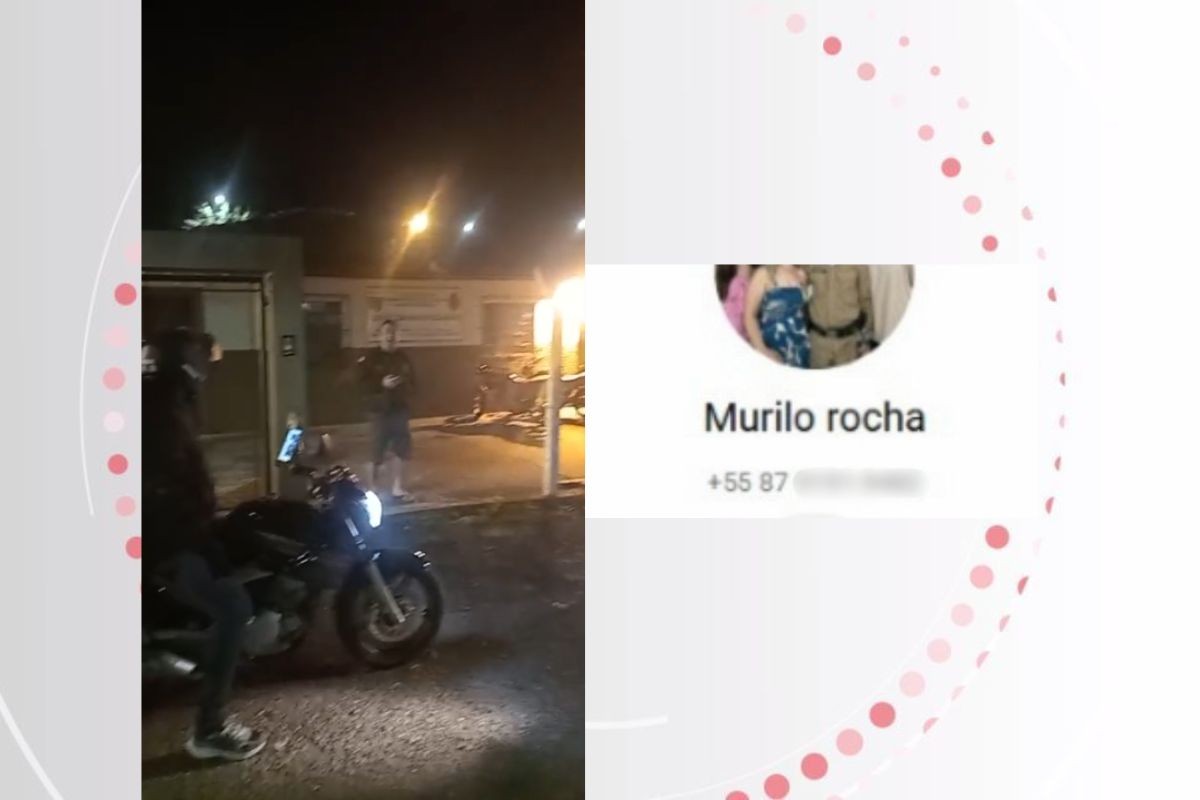
A man in Londrina, in the north of Paraná, Brazil, defrauded at least six pizzerias by posing as a military police lieutenant. On Wednesday night, November 8th, he called various establishments and requested pizza deliveries to the headquarters of the 2nd Military Police Company. The scam was uncovered when delivery drivers arrived at the police station and learned no such order had been placed. The suspect identified himself as "Lieutenant Murilo Rocha" and used a phone number with a Pernambuco area code. One of the pizzerias recorded the suspect's call, where he requested delivery personnel contact information for security purposes. The fraudulent order included pizzas with 'portuguesa' and 'baiana' flavors, along with a soft drink. The suspect specified payment upon delivery, resulting in financial losses for the pizzerias as the pizzas were not paid for and could not be delivered. Police officers at the station informed the delivery drivers that no Lieutenant Rocha existed in the region, and when contacted, the suspect reportedly mocked the situation. The Military Police emphasized that such pranks constitute a crime, advising all victims to file official police reports. The suspect may face charges for impersonating a public official, a misdemeanor, and fraud (estelionato), a crime punishable by one to five years in prison and a fine, due to the deception intended to cause financial harm and product waste.
This incident highlights the exploitation of trust and service industry vulnerabilities through deceptive practices. The perpetrator leveraged the authority and respect associated with law enforcement to orchestrate a scheme causing financial loss and wasted resources for local businesses. The analysis of such events points to systemic risks in customer verification processes, especially when callers adopt authoritative personas. Future mitigation strategies could involve enhanced internal protocols for unusual or high-volume orders directed at institutional addresses, alongside improved digital identity verification for remote transactions. The legal ramifications underscore the seriousness of these actions, framing them not as pranks but as criminal offenses with tangible economic and social consequences.
AI-generated to prompt reflection — not editorial opinion, not advice, not a statement of fact. How this works.