Man Pulled From Plane After Window Blowout Recounts Near-Fatal Ordeal
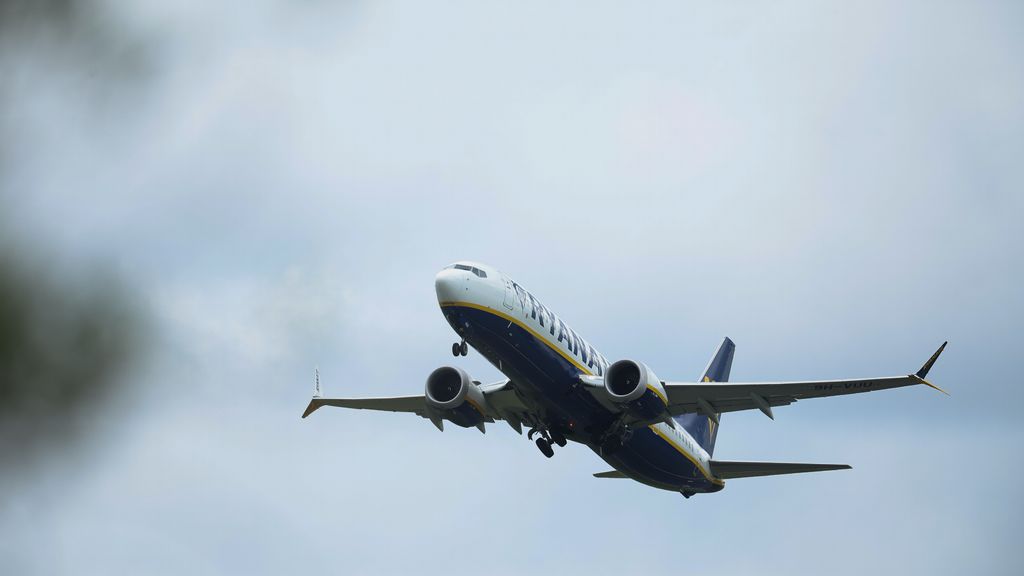
Ljubisa Karovic, a Serbian national, has been released from the hospital after narrowly escaping death when a window blew out on a Ryanair flight from Thessaloniki, Greece, to Memmingen, Germany, earlier this month. Karovic recounted the terrifying experience to The Guardian, describing the incident as an "explosion" and stating that while his head and neck still hurt, he is alive. He recalls being pulled out of the aircraft by his shoulders due to the sudden depressurization. Fellow passengers managed to pull him back inside, with one passenger using a bag and then a suitcase to block the opening after the bag was sucked out. Karovic's wife, Svetlana Grkovic, praised the actions of the passenger who helped her husband, noting that the cabin crew did not intervene. Karovic described his face as swollen and distorted from the pressure and airflow upon re-entry into the plane. He believes his seatbelt may have saved his life, or perhaps it was fate. He is required to wear a neck brace for six weeks, after which the need for surgery will be assessed. He also sustained burns and bruises on his right arm extending to his armpit and chest. His lawyer emphasized the miraculous nature of his survival, stating he "looked death in the eyes" while hanging out of the plane at 600 kilometers per hour. The lawyer also corroborated witness accounts that the cabin crew appeared to be in shock and did not act, fearing a crash. Ryanair stated that its crew followed protocol by ensuring passengers and staff fastened their seatbelts and used oxygen masks during the emergency descent. The airline claims assistance was provided once the plane reached a safe altitude. Both the U.S. National Transportation Safety Board (NTSB) and a European aviation agency are investigating the incident. Karovic continues to suffer from sleepless nights, haunted by the sound of the explosion, and intends to seek compensation from Ryanair, having only received emails about flight rebooking so far.
This incident highlights critical safety considerations in commercial aviation, particularly concerning emergency response protocols and structural integrity. The near-fatal event underscores the importance of robust maintenance procedures and the potential cascading effects of component failure at altitude. The accounts of cabin crew inaction, if substantiated, raise questions about training effectiveness and psychological preparedness for extreme emergencies, contrasting with the praised initiative of fellow passengers. Future investigations will likely focus on the root cause of the window failure and evaluate the adequacy of Ryanair's emergency response and passenger support mechanisms. The passenger's pursuit of compensation points to the complex interplay between airline liability, regulatory oversight, and passenger rights in the aftermath of such incidents, especially in the context of evolving aviation technologies and increasing air traffic.
AI-generated to prompt reflection — not editorial opinion, not advice, not a statement of fact. How this works.