Man Regrets Inaction as Wife Succumbs to Family Abuse After Forced Marriage
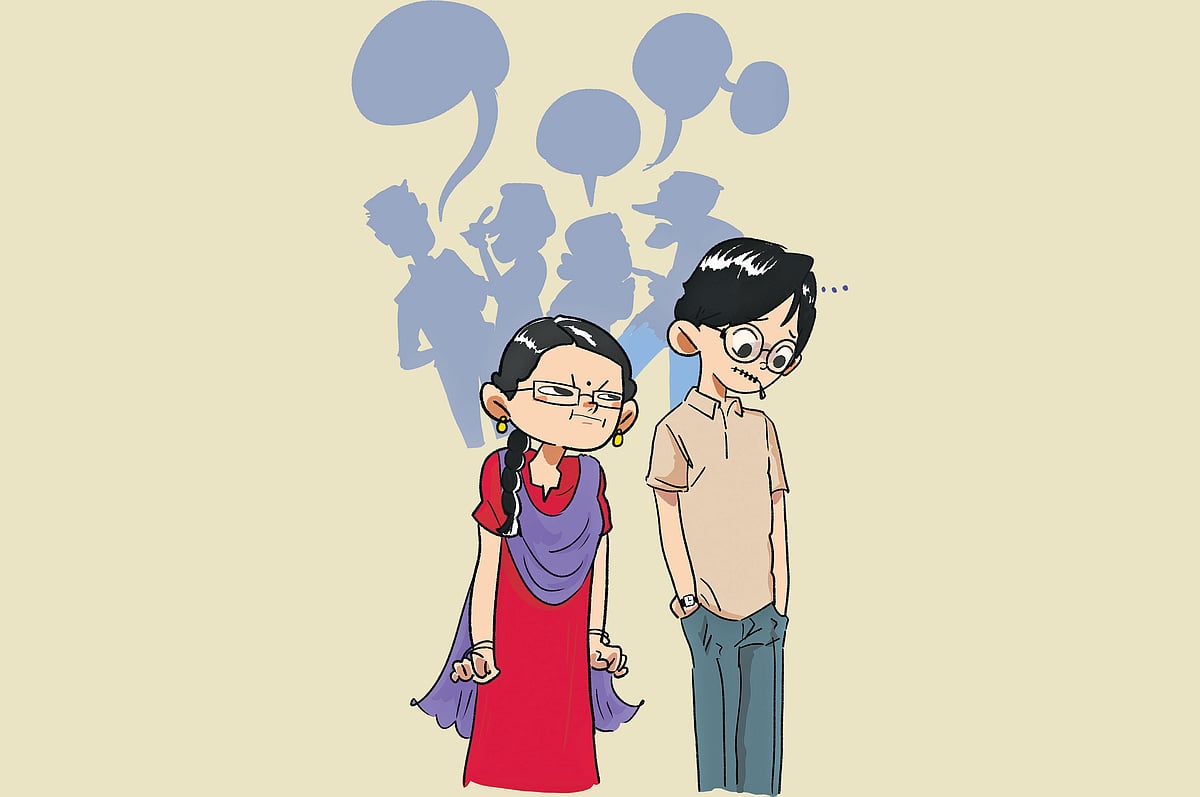
The narrator recounts a period in his life at 19, consumed by academic pursuits and feeling emotionally detached. His perspective shifted upon seeing a photograph of a woman he later named Shishir, captivated by her natural beauty. Despite his initial infatuation, he describes his father as a "gold digger" who, upon learning of Shishir's father's financial status, pushed for their marriage, believing her older age implied greater wealth. The wedding proceeded, and the narrator felt a surge of confidence upon their union.
However, their relationship quickly deteriorated upon entering his joint family, which he characterizes as toxic, hypocritical, and prone to gaslighting. Shishir, described as genuine and spontaneous, struggled with the family's manipulative dynamics. A major conflict arose when Shishir revealed her age to be 17, shocking the narrator's mother and aunts, who viewed her as "expired" due to societal norms. Concurrently, a financial dispute erupted: the narrator's father expected his father-in-law's assets to be transferred to his account, but the father-in-law instead sent his retirement savings, converted to cryptocurrency, to Shishir. This angered the narrator's father, who demanded cash and ultimately returned the entire sum, deeply offending Shishir.
The narrator admits to being a "Bukasuka Ashraful" (a term implying cowardice or inaction), loving his wife but lacking the courage to confront his family's domestic violence and toxicity. He passively witnessed the events unfold. Shishir's health declined due to prolonged mental harassment and isolation, yet his family opted for superficial traditional remedies instead of proper medical care. Ultimately, Shishir succumbed to the trauma, leaving permanently, a tragic outcome the narrator attributes to societal pressures and ego, leaving him with profound regret.
This narrative highlights the devastating consequences of societal pressures and familial toxicity on individual well-being, particularly within the context of arranged or forced marriages. The story illustrates how patriarchal financial expectations and ego-driven conflicts can override human compassion and lead to tragic outcomes. The narrator's self-portrayal as a "Bukasuka Ashraful" underscores a critical societal failing: the lack of male agency in challenging entrenched domestic abuse and toxic family structures, even when aware of the harm being inflicted. The emphasis on Shishir's age and the family's subsequent judgment reflects deeply ingrained societal biases against women, framing them as disposable if they do not conform to specific timelines or expectations. This case serves as a stark reminder of the systemic vulnerabilities that allow abuse to persist when individual courage fails to counteract collective toxicity and outdated social norms.
AI-generated to prompt reflection — not editorial opinion, not advice, not a statement of fact. How this works.