Man's 10-day headache revealed terminal brain cancer
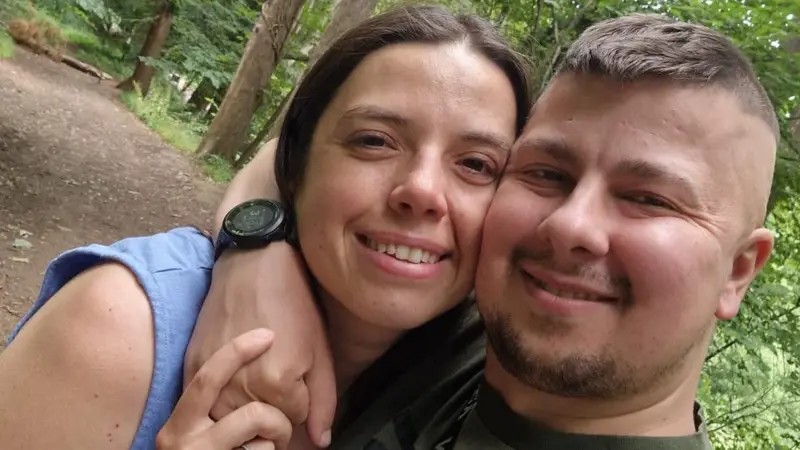
Josh Smith, 34, from Wrexham, Wales, initially dismissed his persistent headaches and confusion as fatigue. After enduring ten days of severe pain, his wife, Kelly, insisted he see a doctor, his first visit in 12 years. Despite the GP finding nothing amiss and prescribing painkillers, Kelly remained concerned. Her intuition led them to the Wrexham Maelor Hospital's emergency department due to unbearable pain described as intense pressure behind his eyes. Although initially discharged with morphine, the pain persisted. A subsequent CT scan revealed a 4.5 cm brain tumor, later diagnosed as glioblastoma, an aggressive form of brain cancer with a median survival of 12-18 months. Smith underwent surgery that removed 95% of the tumor. He is now undergoing radiotherapy and chemotherapy, though informed the disease is incurable. Glioblastoma affects approximately 3,200 people annually in the UK, with only a third surviving over 12 months and 4% beyond five years. Treatment advancements have been minimal for two decades. The Welsh government is developing a cancer strategy focusing on research and clinical trials. Despite the grim prognosis, Smith prioritizes living in the present, cherishing moments with Kelly and pursuing simple goals like decorating the Christmas tree. He emphasizes the importance of seeking medical attention promptly, crediting his wife's insistence for his diagnosis. Before his illness, Smith and Kelly planned to travel and start a family; now, they focus on creating new memories. Smith has engaged in various activities, including climbing Snowdon, parkruns, and zoo visits, aiming to make the most of each day. He expresses gratitude for the NHS staff and the kindness of strangers, highlighting the need for increased investment in brain tumor research, especially after learning children are also affected. Kelly Smith echoes the call for better access to experimental treatments in the UK, a sentiment the Welsh government acknowledges, promising a cancer plan in February 2027 to address research, innovation, and clinical trial access.
This narrative highlights a critical public health challenge: delayed diagnosis due to societal expectations and personal reluctance to seek medical care, particularly among men. The case underscores the significant impact of aggressive brain tumors like glioblastoma, where treatment efficacy has stagnated for two decades, leading to poor survival rates. The patient's wife played a crucial role in escalating care, emphasizing the importance of spousal or familial support in navigating healthcare systems. The story also implicitly critiques the pace of medical innovation in oncology, as highlighted by the patient's wife's frustration with limited treatment options. Future healthcare strategies must address barriers to early detection, promote proactive health-seeking behaviors, and accelerate research into novel therapies for recalcitrant diseases, ensuring equitable access to cutting-edge treatments globally.
AI-generated to prompt reflection — not editorial opinion, not advice, not a statement of fact. How this works.