Man's Death at DF Health Unit Ruled Natural, Case Closed by Police
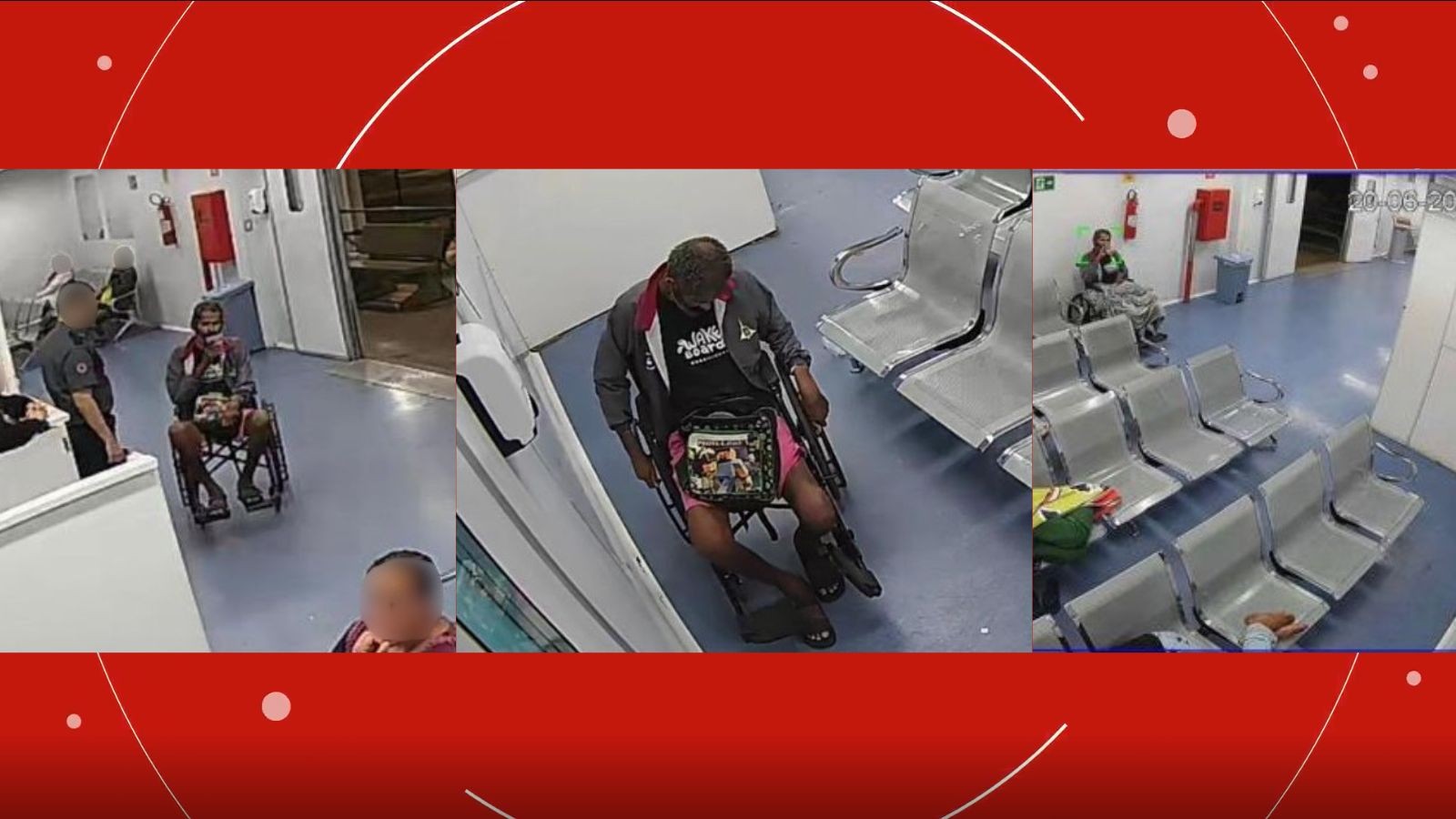
The Civil Police of the Federal District (DF) will not open an investigation into the death of Vilmar Pereira da Silva, 49, who died in the waiting area of the Recanto das Emas Primary Care Unit (UPA) while awaiting treatment. Police concluded that Silva died of natural causes, leading to the case's closure. Silva was found deceased in the UPA's reception area in June, having reportedly waited for at least four hours. Witness accounts and images depict him seated in a wheelchair, unresponsive. Another patient, nurse Mayela Lima, discovered Silva had no pulse and alerted others. A Military Police team subsequently secured the scene. Following public outcry, the DF Health Secretariat initiated an internal inquiry into the circumstances surrounding the death. Initial reports from the Health Secretary, Juracy Cavalcante, suggested Silva was a regular at the UPA. The Recanto das Emas UPA is managed by Iges-DF, a state-created entity. Iges-DF stated that Silva had no open treatment record at the UPA on the day of his death and had not undergone risk classification or clinical assessment. The Health Secretariat emphasized that any failure to provide care would not be tolerated, even if the individual was not formally registered as a patient at the time.
The Civil Police's determination that Vilmar Pereira da Silva's death was due to natural causes and subsequent closure of the case, despite his prolonged wait for care at the UPA, highlights potential systemic issues in emergency healthcare access. The internal inquiry by the Health Secretariat suggests an acknowledgment of the need to review protocols, regardless of formal patient registration. This situation prompts reflection on how vulnerable individuals, potentially without formal documentation or prior engagement with the healthcare system, are identified and served within public health facilities. The case underscores the tension between resource allocation, patient flow management, and the fundamental right to timely medical attention, particularly in under-resourced urban environments. Future considerations should focus on proactive outreach and robust triage mechanisms that capture individuals present in waiting areas, irrespective of their registration status, to prevent such tragic outcomes.
AI-generated to prompt reflection — not editorial opinion, not advice, not a statement of fact. How this works.