Man's Sole Documented Death by Meteorite Offers Perspective on Bad Days
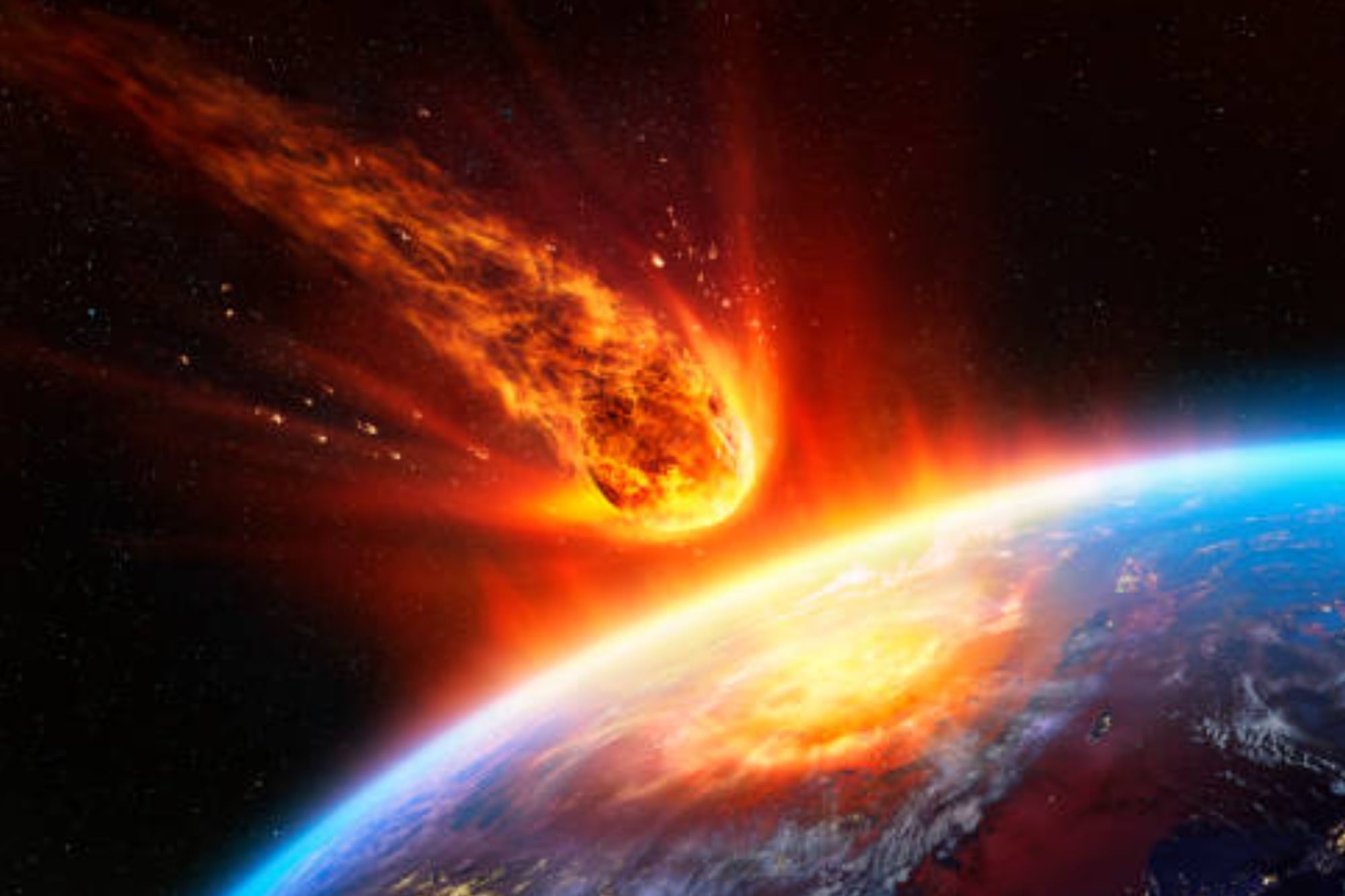
The author recounts a series of unfortunate events, including sleep deprivation due to a cat, a failed writing workshop submission, and a coffee spill, leading to a desire to find ways to overcome a bad day. Seeking online advice, the author explores strategies like listening to favorite music and practicing self-acceptance, but finds them insufficient. The article then delves into the psychological concept of "downward social comparison," where individuals find solace by comparing their misfortunes to those of others who have suffered more. This leads to the story of the only documented person to die from a meteorite impact. On August 10, 1888, in the Kurdistan region, hundreds of incandescent meteorite fragments rained down after an explosion, killing a young man walking nearby. This historical event, published in Meteoritics & Planetary Science in 2020, serves as a stark reminder of extreme misfortune. The author reflects that compared to this astronomical tragedy, their own problems—writing errors, coffee stains, and minor burns—seem manageable and solvable. While the author doesn't find a definitive way to turn a bad day around, they conclude that everyone eventually becomes someone else's source of comfort, implying a shared human experience of hardship and resilience.
The narrative uses a historical tragedy, the sole documented fatality from a meteorite impact, as a rhetorical device to contextualize personal setbacks. This framing, while effective for immediate emotional relief, overlooks the systemic differences between random cosmic events and everyday human challenges. The comparison highlights a coping mechanism rooted in perspective-shifting, but it does not address the underlying causes of the author's difficulties, such as sleep disruption or writing challenges. In the long term, relying on extreme misfortune for solace may not foster robust resilience strategies. Future approaches to well-being might integrate proactive skill-building and environmental adjustments, rather than solely depending on comparative misfortune or external 'magic' for emotional regulation. The piece implicitly touches on the vastness of the universe and the relative insignificance of individual problems, a perspective that can be both comforting and disorienting.
AI-generated to prompt reflection — not editorial opinion, not advice, not a statement of fact. How this works.