Man Sentenced to 15 Years for Murdering Ex-Girlfriend's New Partner in São Roque
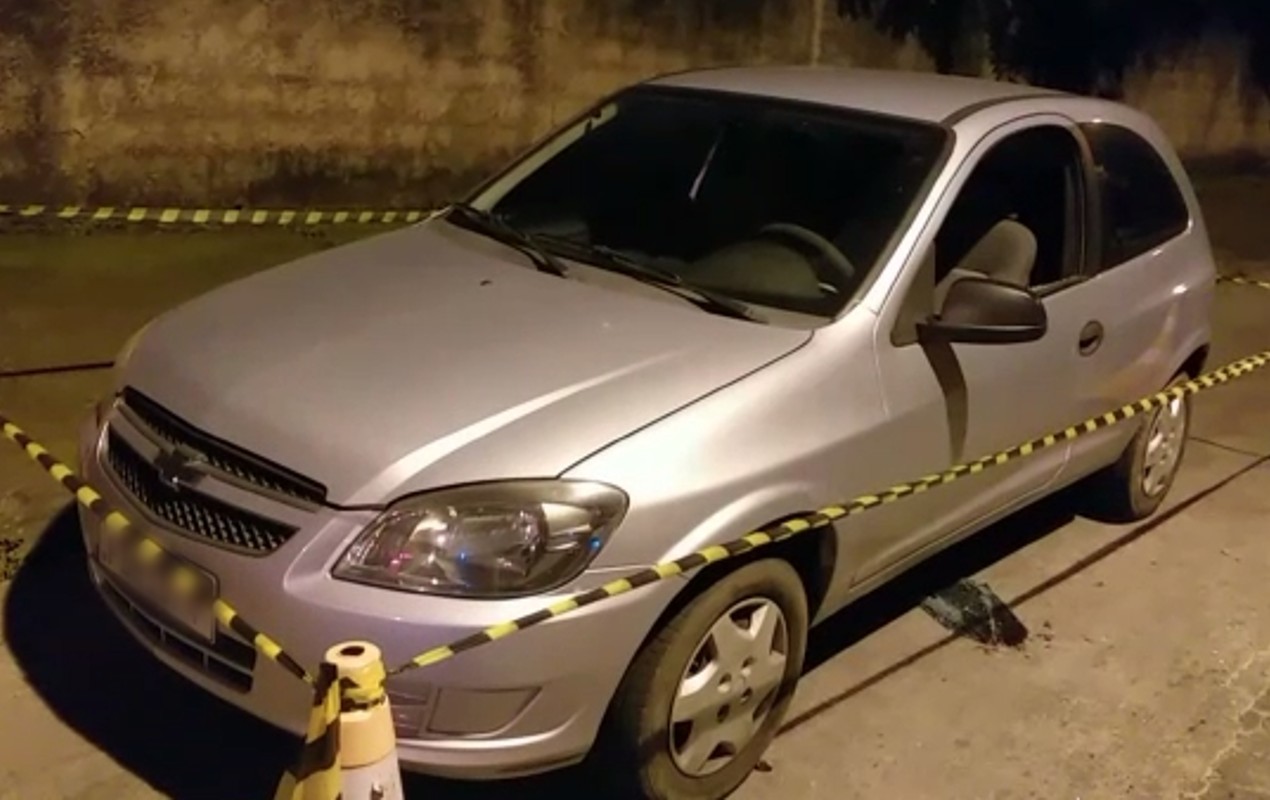
A court in São Roque, São Paulo, has sentenced Renato José dos Santos to 15 years in prison for the doubly qualified homicide of Jonas Francani. The crime occurred in March 2023 in the Jardim Rene neighborhood. Francani was the current boyfriend of dos Santos's ex-girlfriend, ending a nine-year relationship. Dos Santos reportedly could not accept the breakup and targeted his ex-girlfriend's new partner. The victim was inside a car with his girlfriend when dos Santos approached on a motorcycle. According to the police report, dos Santos uttered "good night" before firing multiple shots at Francani. The victim sustained all the wounds and later died. The woman, who was in the car, reportedly suffered an arm injury while attempting to help her boyfriend, who had glass fragments in his body. The court's decision, confirmed on appeal, found dos Santos guilty of homicide motivated by base reasons and using a method that prevented the victim's defense. He was also convicted of illegal firearm possession. Dos Santos was apprehended shortly after the incident, surrendered to authorities, and confessed to the crime. The weapon used was recovered from a family vehicle.
This case highlights the tragic consequences of possessiveness and unresolved relationship endings. The perpetrator's actions, including the chilling "good night" remark, suggest a premeditated act fueled by emotional distress and a perceived slight. The legal system's response, a 15-year sentence for doubly qualified homicide, reflects the severity of the crime, particularly the motive and the method employed. From a societal perspective, such incidents underscore the need for robust conflict resolution mechanisms and mental health support systems to address issues of jealousy, rejection, and possessiveness before they escalate to violence. The legal framework's focus on motive and method aims to deter similar acts by clearly defining the severe repercussions of such violent outbursts, while also acknowledging the complex emotional landscape that can lead to such devastating outcomes.
AI-generated to prompt reflection — not editorial opinion, not advice, not a statement of fact. How this works.