Man Sentenced to 3 Years for Smuggling 75 Drug Pellets Internally
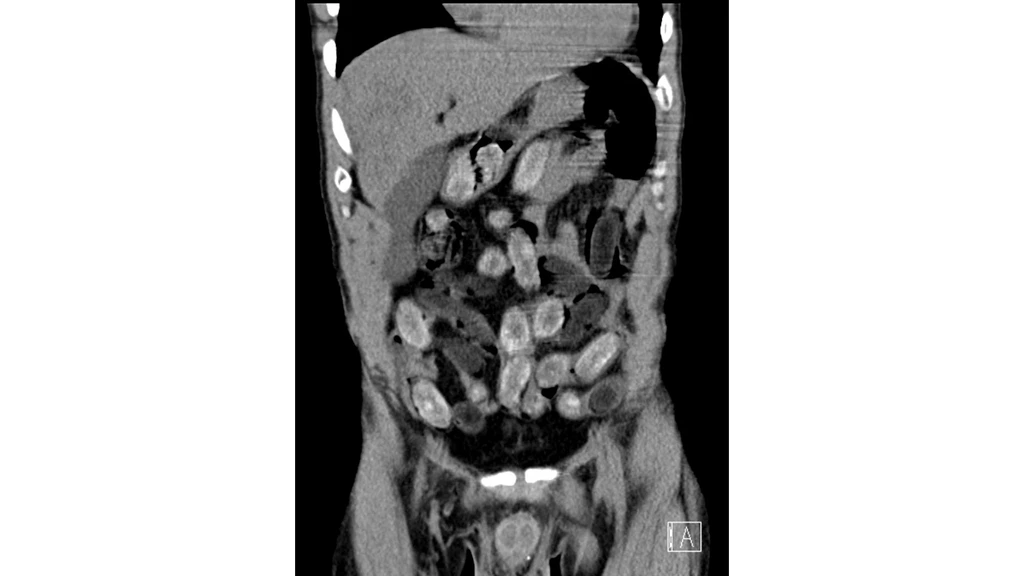
A 31-year-old Nigerian man, who was apprehended in Amsterdam earlier this year attempting to board a train to Salzburg with 75 drug pellets concealed internally, has been sentenced to three years in prison by the Cologne District Court. The man was found to be carrying nearly 450 grams of cocaine and approximately 300 grams of heroin within his body. He was stopped during a routine customs check in February when officers noticed suspicious behavior, including contradictory statements about his travel plans, nervousness, and minimal luggage. A drug test on his hands revealed traces of cocaine, leading to an X-ray scan at a local hospital that confirmed his body was filled with drug packages. Customs officials stated that his entire gastrointestinal tract was packed with the pellets. After expelling the drugs under medical supervision, it was confirmed he had swallowed 75 packets, with an estimated street value of around 50,000 euros. The man's defense attorney argued that his client, who had recently applied for asylum in Italy and was previously living there, was exploited. He agreed to the drug smuggling for a promised payment of 2,000 euros after running out of money. The attorney described his client as having been exploited. Customs spokesperson Jens Ahland emphasized the extreme danger of swallowing drug pellets, noting that a single ruptured packet could be fatal even with immediate medical attention, citing past incidents where individuals died from ruptured drug packets.
This case highlights the perilous intersection of desperation and organized crime, where individuals facing financial hardship are incentivized to undertake life-threatening smuggling operations. The significant street value of the drugs underscores the profitability of such illicit activities, creating a persistent demand for couriers willing to accept extreme risks. The legal sentence reflects the severity of drug trafficking offenses, yet the defense's claim of exploitation points to a complex victim-perpetrator dynamic. Future strategies may need to address root causes of vulnerability, such as economic precarity and asylum processes, alongside robust law enforcement measures to disrupt the supply chain and protect individuals from such dangerous exploitation. The inherent risks associated with internal drug concealment, as evidenced by past fatalities, warrant continued public awareness campaigns regarding the severe health consequences.
AI-generated to prompt reflection — not editorial opinion, not advice, not a statement of fact. How this works.