Man sentenced to life for US Democratic politician attacks
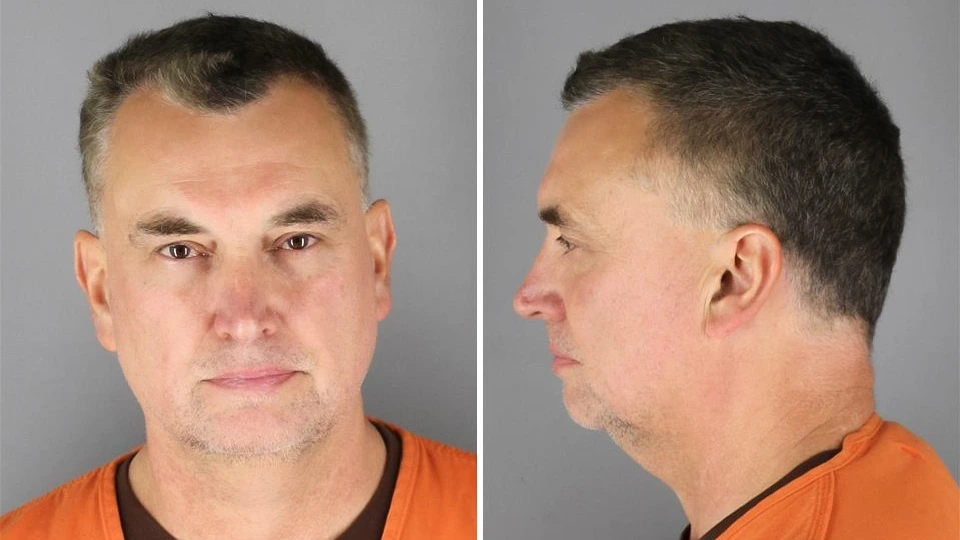
A man has been sentenced to life in prison in the United States for carrying out attacks against Democratic politicians. Vance Boelter shot and killed the Minnesota House Speaker and her husband. Earlier the same night, he had also shot and wounded a local senator and his wife at their home. The 59-year-old gunman confessed to last year's attacks, thereby avoiding a potential death sentence. Relatives of the victims expressed their anger in court, stating that Boelter deserved the death penalty. The convicted man appeared in orange prison attire and was handcuffed at the ankles. He remained silent and did not make eye contact with the relatives and survivors as they read their victim impact statements, according to the Associated Press. Victim John Hoffman described the moment of the attack, recounting how the suspect looked him and his wife in the eye before opening fire, leaving them severely wounded. Hoffmann stated he fought with the shooter and managed to get him out of the house, but he and his wife are now traumatized and constantly planning escape routes. Prosecutors alleged that Boelter had a list of Democratic politicians he intended to kill and had surveilled his targets beforehand. He reportedly posed as a police officer and rang doorbells at night, claiming to be law enforcement. Politician Kristin Bahner was fortunate to be away from home when Boelter appeared at her door. However, House Speaker Melissia Hortman was home and fatally shot at close range, along with her husband. A large manhunt ensued, and the shooter was apprehended two days later. Prosecutors suggested Boelter's motive was to make the state's sharply divided legislature more conservative through these murders.
This case involves targeted violence against political figures, stemming from a stated desire to influence legislative composition. The perpetrator's actions, while resulting in severe harm and death, were presented by prosecutors as an attempt to manipulate political outcomes. The legal proceedings focused on the confession to avoid capital punishment, highlighting a tension between justice for victims and the legal system's procedural safeguards. From a systems perspective, such events underscore vulnerabilities in political security and the potential for extremist ideologies to manifest in violent acts, particularly in highly polarized environments. Future considerations might involve evaluating the efficacy of security measures for elected officials and addressing the underlying societal divisions that can fuel such radicalization, rather than solely focusing on punitive responses after the fact.
AI-generated to prompt reflection — not editorial opinion, not advice, not a statement of fact. How this works.