Man Sentenced to Over 21 Years for Murdering His Brother in Pará, Brazil
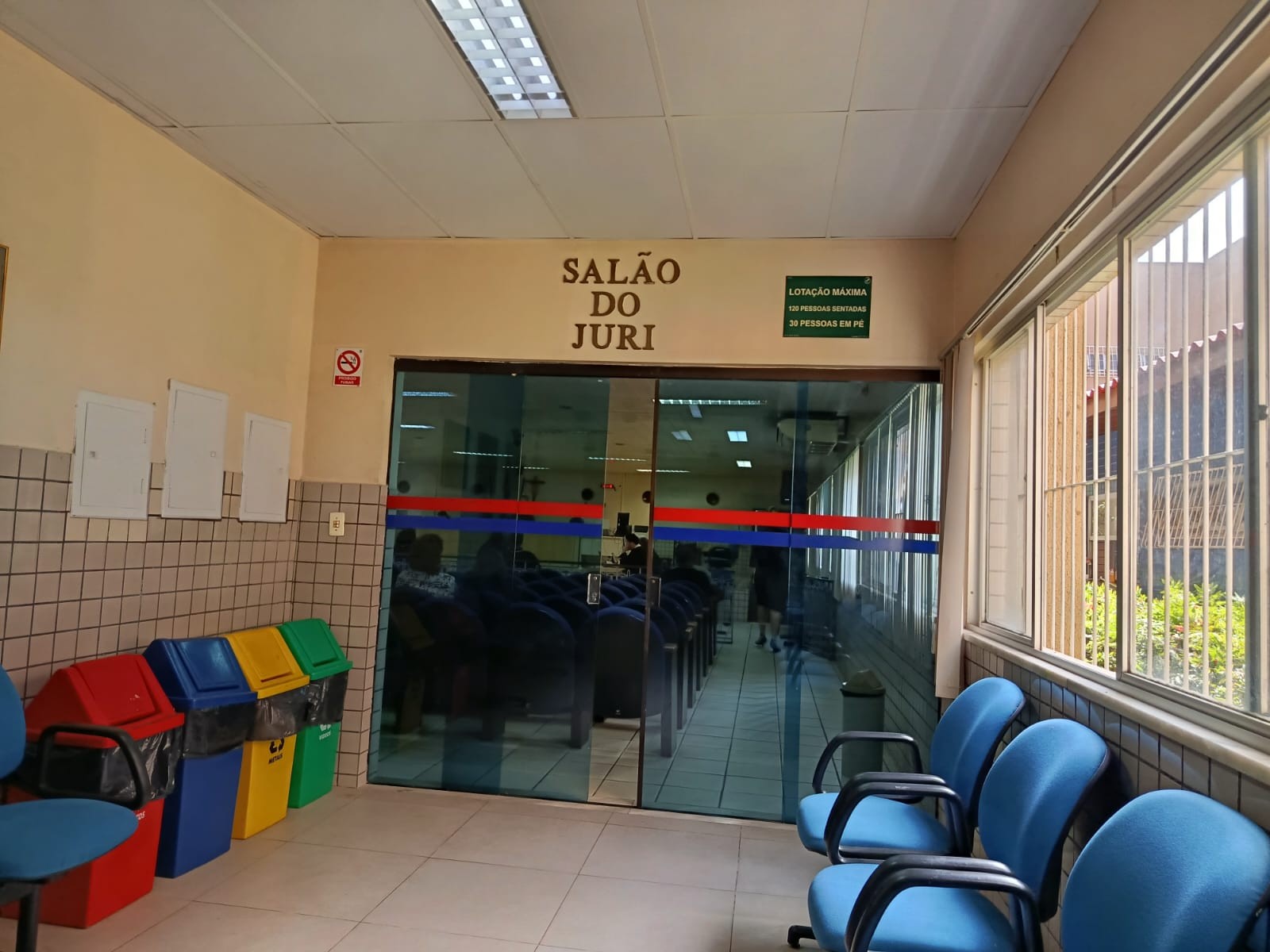
Josiclei Alves da Silva has been sentenced to 21 years and 8 months in prison for the murder of his brother, Samuel Alves da Silva. The verdict was delivered by the Santarém Jury Court in the western Pará region of Brazil on Thursday, November 16th. The jury fully supported the prosecution's case, and the defendant will remain in custody to serve his sentence.
The fatal incident occurred on September 6, 2025, in the Boa Fé community of Mojuí dos Campos, following a family dispute. According to the Public Ministry's indictment, Josiclei and Samuel were drinking with their mother when Josiclei began to harass her aggressively. Samuel intervened to defend their mother, leading to an argument and physical altercation. The prosecution alleges that Josiclei then armed himself with a knife, injuring their mother before attacking Samuel. As Samuel attempted to flee the residence, Josiclei struck him on the head with a piece of wood, continuing the assault even after Samuel fell. The mother and a neighbor witnessed the attack. Although emergency services were called, Samuel succumbed to his injuries. Josiclei fled the scene but was apprehended later.
The trial was presided over by Judge Gabriel Veloso de Araújo of the 3rd Criminal Court of Santarém. Prosecutor Mariana Dantas represented the prosecution, while public defender Lilian de Aguiar Valentim handled the defense. The judge finalized the sentence, mandating 21 years and 8 months of closed-regime imprisonment.
This case highlights the tragic consequences of domestic disputes escalating to lethal violence, particularly within familial relationships. The legal proceedings resulted in a significant prison sentence, reflecting the severity of the crime and the judicial system's response to upholding public safety. From a systemic perspective, understanding the underlying factors contributing to such extreme outbursts, potentially including substance abuse and unresolved interpersonal conflicts, is crucial for developing effective prevention strategies. Future interventions might focus on accessible conflict resolution resources and mental health support within communities to mitigate the risk of similar tragedies.
AI-generated to prompt reflection — not editorial opinion, not advice, not a statement of fact. How this works.