Man Sentenced to Psychiatric Treatment for Killing 23-Year-Old Woman
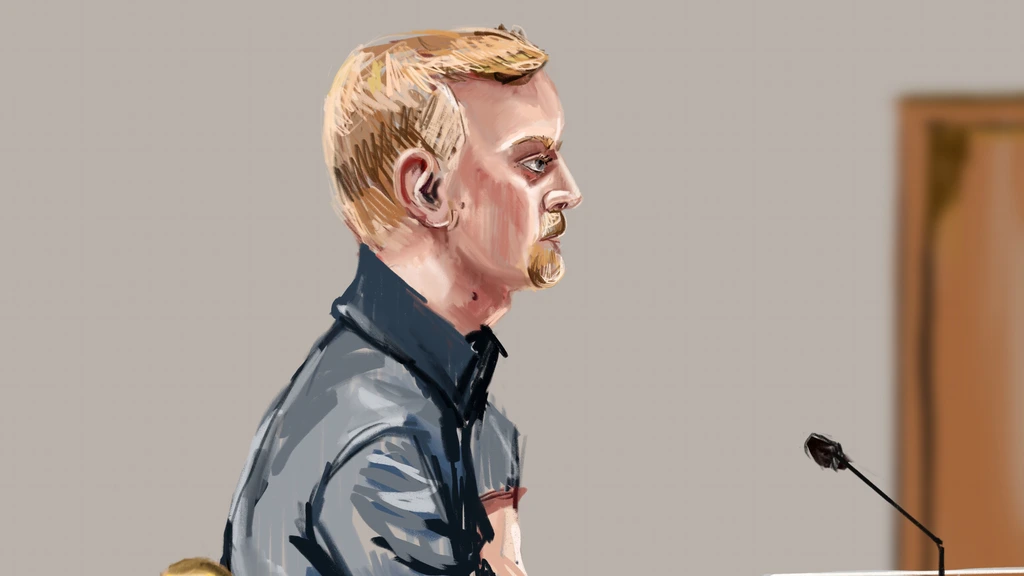
A 26-year-old man from Ulft, Gelderland, has been sentenced to psychiatric treatment with compulsory confinement (tbs met dwangverpleging) for fatally stabbing a 23-year-old woman in Hoog-Keppel on June 23, 2024. The court determined the man, identified as Christiaan W., was fully unaccountable due to a psychotic state at the time of the incident, thus exempting him from prison time. W. had been staying with the victim, a friend, as he was experiencing personal difficulties. Experts concluded W. was in psychosis during the killing and recommended a milder form of tbs with conditions, deeming him fully unaccountable. However, the Public Prosecution Service disagreed, arguing W. still possessed significant free will and should be considered only partially accountable. They sought a ten-year prison sentence combined with tbs met dwangverpleging. The court partially sided with the experts, declaring W. unaccountable and thus exempt from prosecution, but opted for the more severe tbs met dwangverpleging over tbs met conditions, citing its indefinite extendability. Additionally, W. must pay €33,000 in damages to the victim's father and €17,500 to her sister. The court described the killing as a "horrific and particularly serious act, and incomprehensible" for the bereaved.
This case highlights the complex intersection of criminal responsibility and severe mental illness. The court's decision to impose compulsory psychiatric treatment rather than incarceration reflects a legal framework prioritizing public safety and rehabilitation for individuals deemed unable to control their actions due to psychosis. While the prosecution sought a more punitive measure, the court's reliance on expert psychiatric evaluations underscores the challenges in assigning culpability when mental state is severely impaired. The extended duration of tbs met dwangverpleging offers a mechanism for ongoing public protection, allowing for indefinite treatment and confinement as long as the individual is deemed a risk. This approach contrasts with fixed prison sentences, emphasizing a long-term, health-centered management strategy for individuals who commit serious offenses while experiencing profound psychological distress.
AI-generated to prompt reflection — not editorial opinion, not advice, not a statement of fact. How this works.