Man Shot and Arrested After High-Speed Chase and Shootout with Police in Boa Vista
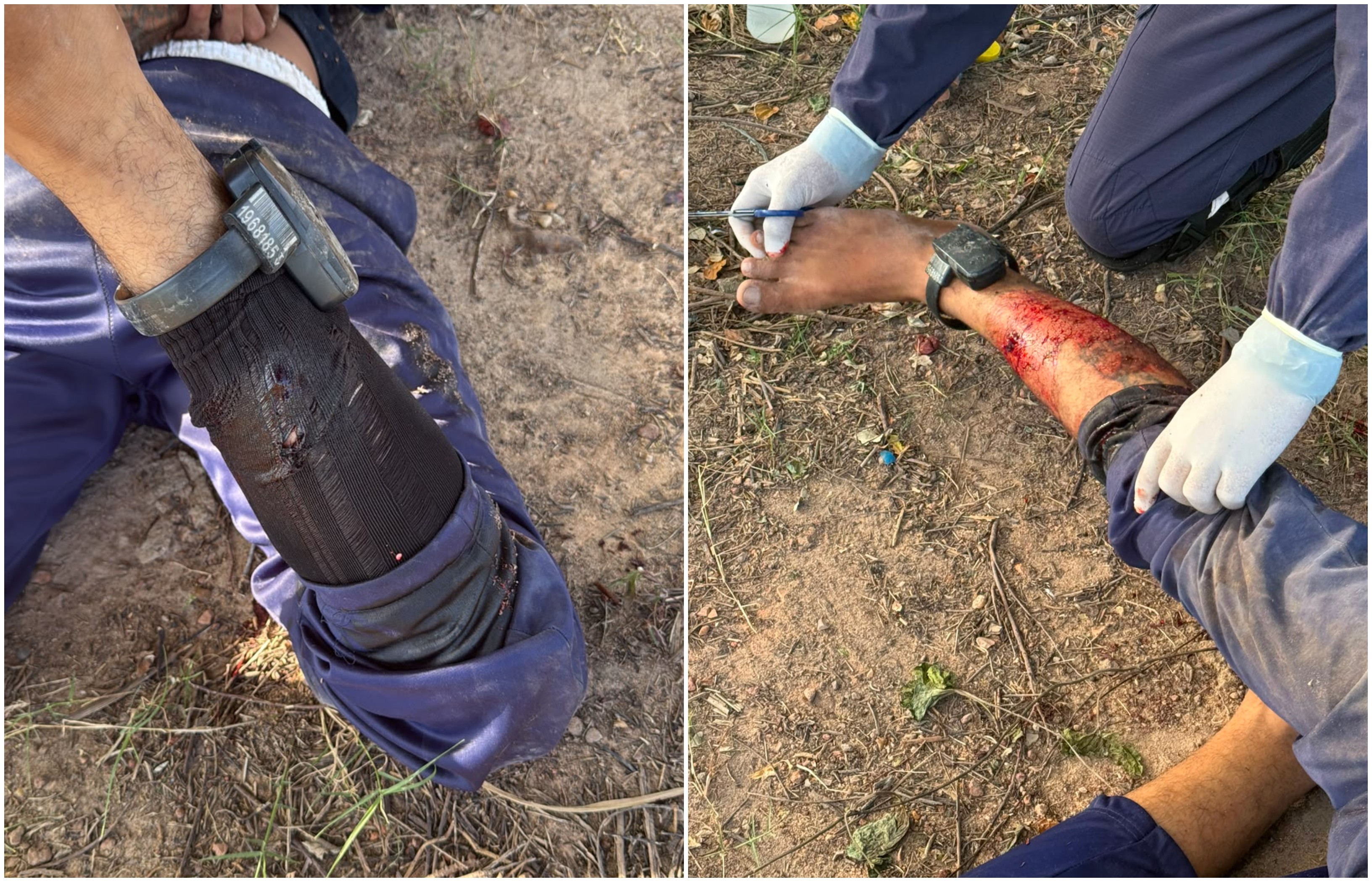
A 28-year-old man was shot in the leg and arrested following a car chase and exchange of gunfire with military police in Boa Vista on Saturday, June 1st. The incident occurred in the Cambará neighborhood, in the city's West Zone. According to the Military Police, the suspect was wearing an electronic monitoring ankle bracelet, which was near the location of the gunshot wound. His accomplice managed to escape on foot into a wooded area and has not been located. During the pursuit, the suspects' vehicle struck a delivery person. The police initiated the chase when the suspects, driving a car, exhibited suspicious behavior and fled at high speed. The suspects reportedly fired at officers in a vacant lot known as "Areal," prompting police to return fire. Inside the suspects' car, authorities seized a spent .38 caliber casing, substances believed to be crack and skunk, two cell phones, and R$15 in cash. Both individuals were serving sentences under a semi-open regime and were supposed to be working at the time of the incident, as they were violating the terms of their electronic monitoring. A police sergeant sustained a lip injury while attempting to apprehend the fleeing suspect. After receiving medical attention at the General Hospital of Roraima, the injured suspect was taken to the police station. The incident was registered as public firearm discharge, illegal possession of a firearm, and drug trafficking. The chase began around 3:50 PM during a patrol by the "Operação Escudo" (Shield Operation).
This incident highlights the complex challenges faced by law enforcement in managing individuals under electronic monitoring who are allegedly involved in criminal activities. The simultaneous presence of an ankle monitor and alleged drug offenses, coupled with a violent confrontation, suggests potential systemic gaps in rehabilitation and surveillance protocols. The event prompts consideration of whether current semi-open sentencing and monitoring mechanisms adequately balance public safety with reintegration efforts. Future policy discussions could explore enhanced compliance monitoring, more effective pre-release risk assessments, and diversified support systems to reduce recidivism and prevent such escalations, particularly in urban areas with known crime challenges.
AI-generated to prompt reflection — not editorial opinion, not advice, not a statement of fact. How this works.