Man Shot by Uncle Claims Debt Was Settled; Had No Contact for 4 Years
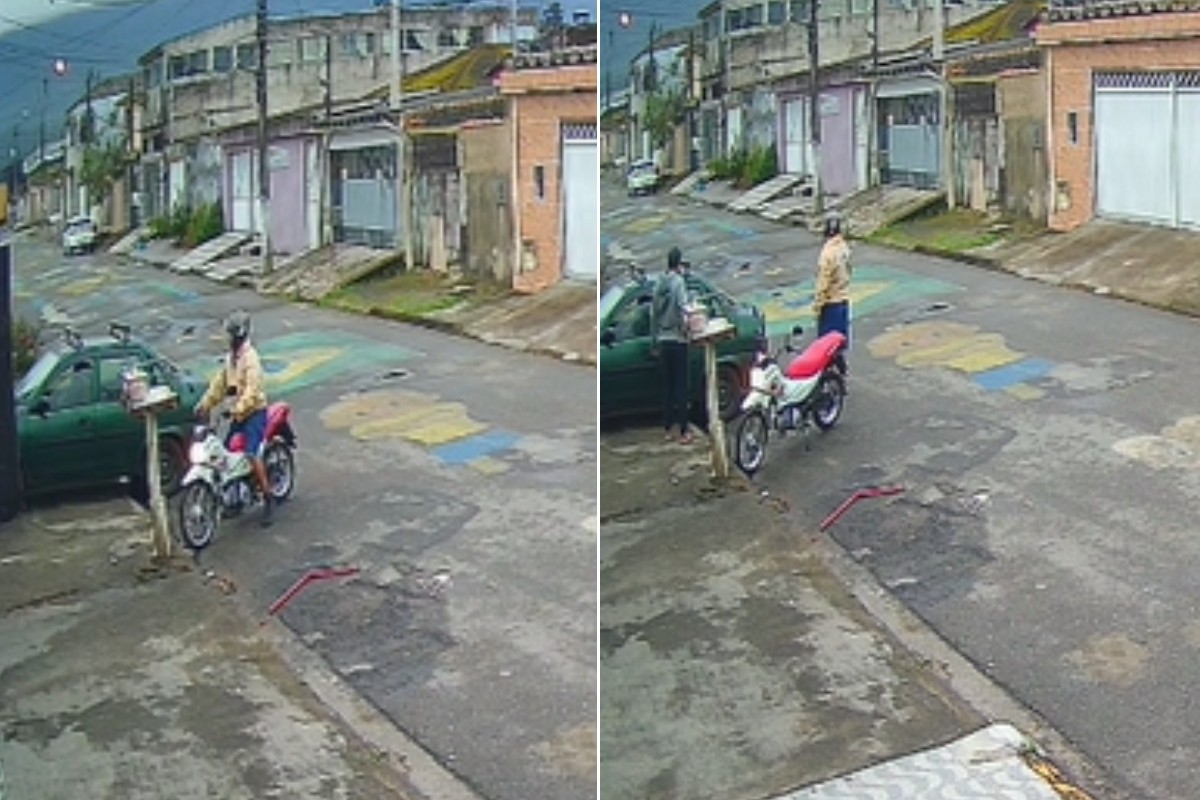
A 44-year-old man was shot by his 60-year-old uncle in São Vicente, on the coast of São Paulo, Brazil. The victim told police that he had not spoken to his uncle for approximately four years and was unaware of the motive for the attack. While hospitalized, the nephew informed investigators that he had a debt with his uncle from when they worked together at a construction company, but stated that the amount had already been fully paid. The incident occurred in the Vila Ema neighborhood as the victim was leaving his home for work. Security footage shows the nephew attempting to flee into his house, only to be pursued and shot at least seven times. He sustained injuries to his back and forearm. Following the shooting, the uncle died by suicide within the residence. Authorities reported that the firearm used in the crime had its serial number obliterated. The nephew was initially taken to the Jardim Rio Branco Emergency Care Unit and later transferred to Hospital do Vicentino for surgery, as one projectile lodged in his liver. The Civil Police are investigating the case as attempted homicide and suicide at the 3rd Police District of São Vicente.
This incident involves a violent confrontation between family members, culminating in an attempted homicide and suicide. The victim's assertion that a past debt was settled and that there had been no contact for four years suggests the motive may be complex, potentially rooted in unresolved personal issues rather than a current financial dispute. The use of a firearm with a obliterated serial number indicates premeditation and an attempt to conceal the weapon's origin. From a systemic perspective, such events highlight the critical need for accessible mental health support and conflict resolution resources within communities. The long period of estrangement preceding the violence underscores how deeply entrenched personal grievances can escalate without intervention. Future societal approaches should focus on proactive mental well-being initiatives and de-escalation strategies to mitigate the risk of such tragic outcomes.
AI-generated to prompt reflection — not editorial opinion, not advice, not a statement of fact. How this works.