Man Shot in Neck and Abdomen After Dispute with Neighbor in Lorena, Brazil
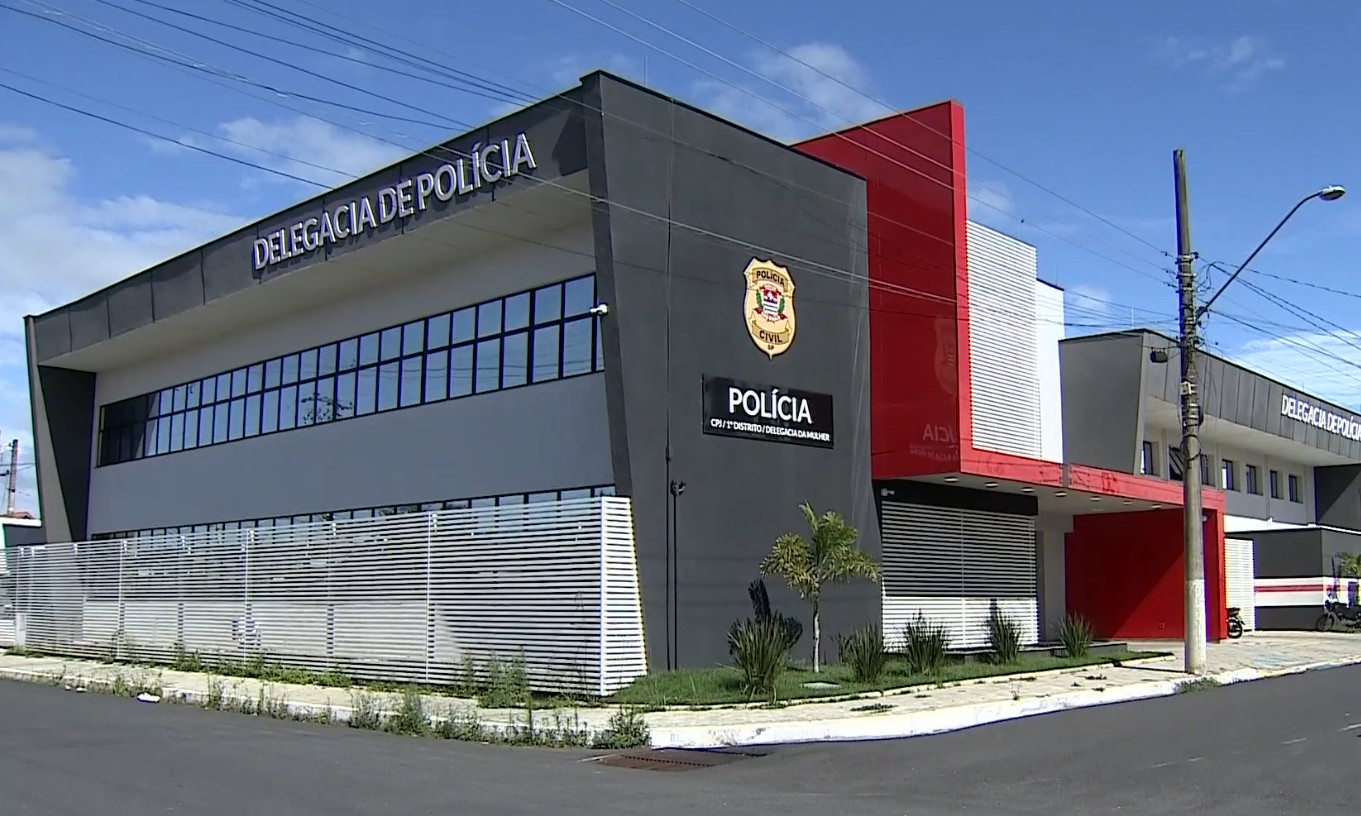
A 35-year-old man was shot twice on Thursday night, May 9th, in the Santa Edwiges neighborhood of Lorena, São Paulo, Brazil, following an argument with a neighbor. The incident occurred around 8:20 PM on Rua Ataíde Vilela de Oliveira Marcondes. Police were alerted to a firearm discharge, and upon arrival, found the victim's family preparing to take him to the Lorena Emergency Room. At the hospital, the victim explained that the dispute stemmed from a previous day's disagreement over an alleged attempted theft, which he denied involvement in. Upon returning from work on Thursday, he encountered the neighbor again, leading to a renewed argument. Shortly thereafter, an individual arrived in a black Fiat Palio and began speaking with the victim. During this conversation, the assailant produced a firearm and fired two shots from inside the vehicle. One bullet grazed the victim's neck, while the other penetrated his abdomen. The victim identified the shooter, whom he has known for several years, through a photograph provided by the police. Authorities searched the area but could not locate the suspect. No security cameras in the vicinity were found to have captured the incident. Forensic experts and the Legal Medical Institute were called to the scene. The case has been registered as attempted homicide at the Lorena Police Station and is under investigation by the Civil Police.
This incident highlights the escalation of interpersonal conflict into violent crime, potentially exacerbated by unresolved disputes over property or perceived wrongdoing. The investigation into attempted homicide will likely focus on motive, perpetrator identification, and the availability of evidence, such as eyewitness accounts and forensic findings. The absence of security camera footage presents a challenge for law enforcement, underscoring the importance of community cooperation and witness testimony in resolving such cases. From a public safety perspective, understanding the underlying triggers for such disputes and exploring community-based conflict resolution strategies could offer a pathway to preventing future violence.
AI-generated to prompt reflection — not editorial opinion, not advice, not a statement of fact. How this works.