Man Shot While Watching Brazil's World Cup Game Dies After 14 Days
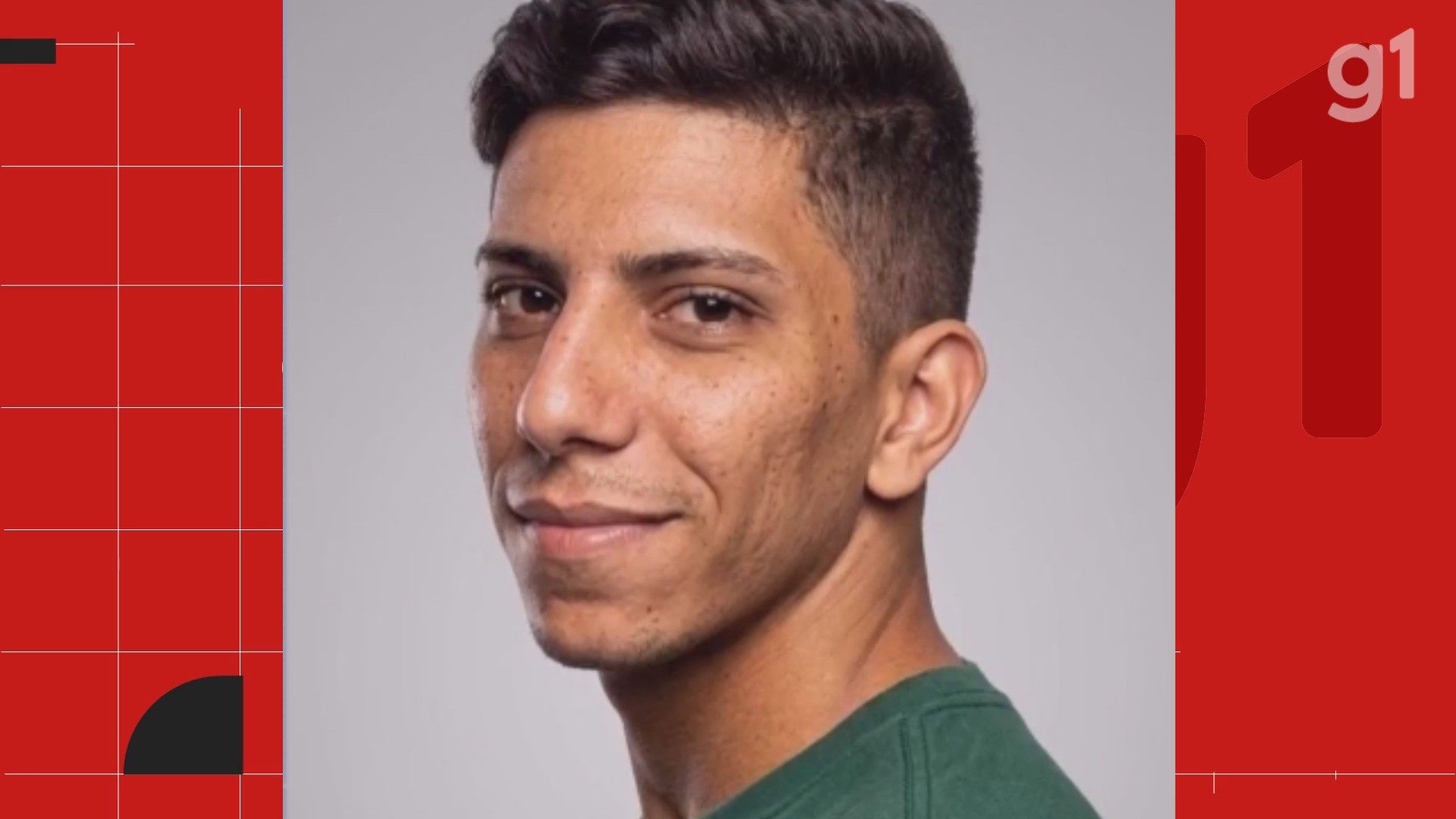
João Vítor da Silva Bento, a 23-year-old man, died on Sunday, August 20th, in Imperatriz, Brazil, 14 days after being shot. The incident occurred on July 5th when two armed individuals on a motorcycle opened fire at a bar in the Parque Alvorada II neighborhood. Bento was watching a World Cup match featuring the Brazilian national team at the time of the attack. He was one of two men injured; he sustained gunshot wounds to the mouth and back, while the other victim was shot in the leg. Investigations indicate that Bento had no prior police record and was not affiliated with any criminal factions. The Civil Police stated that the investigation only commenced on Monday, August 21st, after the family filed a police report on Sunday, August 20th, following Bento's death. Preliminary reports from the night of the attack described both victims as being in serious condition, with one being shot in the mouth and back and the other in the neck. Security camera footage captured the suspects passing by and firing shots at patrons inside the bar.
This incident highlights the pervasive impact of organized crime on public spaces, even during seemingly innocuous social gatherings like watching a sporting event. The attack, attributed to a criminal faction, underscores the challenges law enforcement faces in maintaining order and protecting citizens from gang-related violence. The delay in initiating a formal investigation after the event, pending the victim's death and subsequent police report, points to potential procedural inefficiencies or a lack of immediate comprehensive response. Moving forward, strengthening community policing initiatives and improving rapid response protocols could be crucial in deterring such violence and ensuring swifter justice for victims. The case also raises questions about the broader societal factors that contribute to the prevalence of criminal factions and their willingness to engage in violent acts in public areas.
AI-generated to prompt reflection — not editorial opinion, not advice, not a statement of fact. How this works.