Man Stabbed in Mirassol Suffers Lung Punctures; Suspects Detained
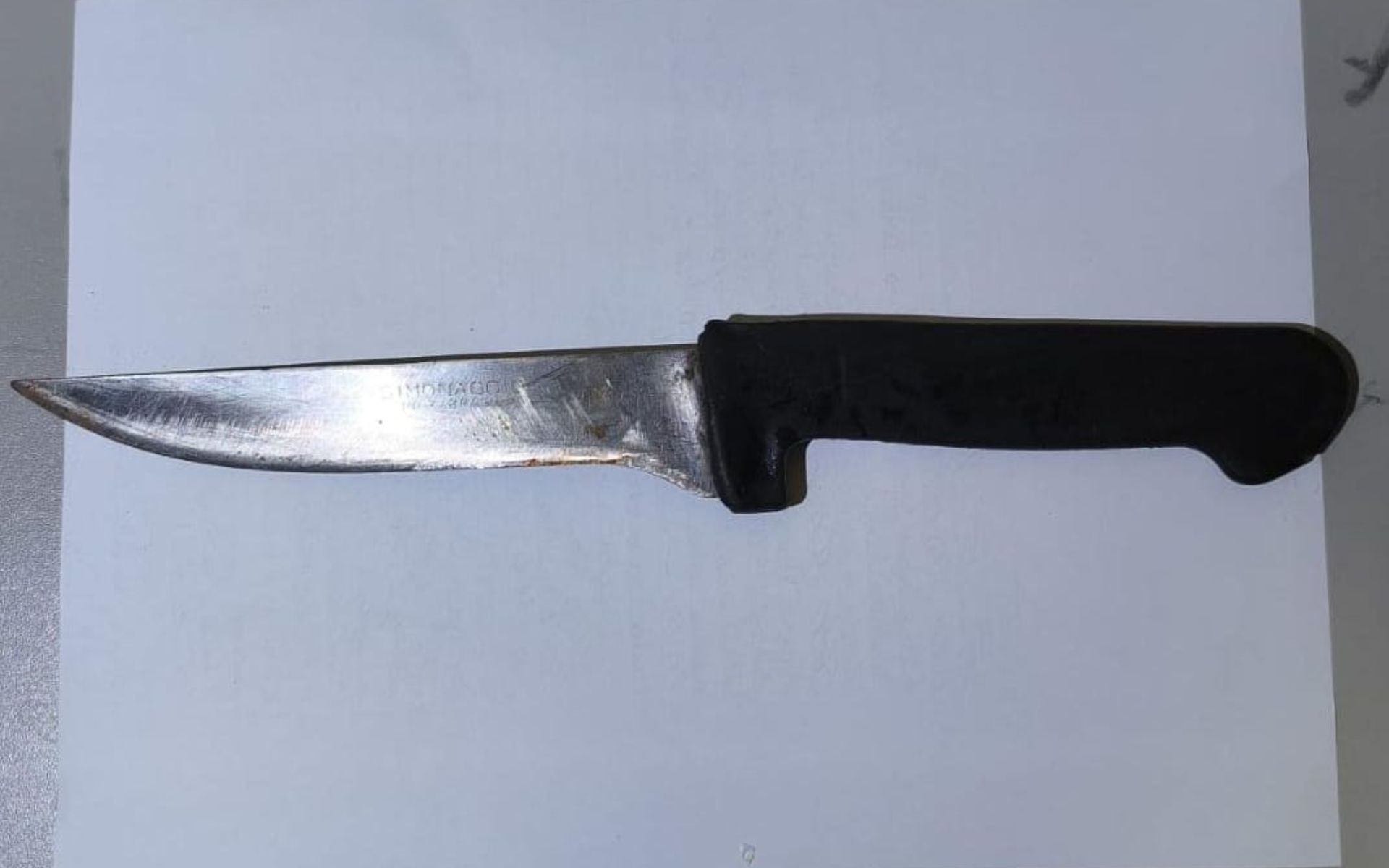
A man sustained lung perforations after being stabbed in the Ruilândia district of Mirassol, São Paulo, Brazil. Two suspects allegedly responsible for the attack were apprehended on Sunday, May 26th, hiding in vegetation as military police responded to the incident. One of the detained individuals had a knife wound on his left arm. The suspects reportedly confessed to the crime and revealed the location where the weapon was discarded. The victim was initially taken to the Mirassol Emergency Care Unit (UPA) for treatment of his pulmonary injuries. Due to the severity of his condition, he was subsequently transferred to the Base Hospital (HB) in São José do Rio Preto. The victim's current health status was not available at the time of reporting. Forensic experts were called to the scene, which had been altered. After questioning by the delegate, the suspects were released. The knife used in the assault was recovered and seized by authorities. The incident is being investigated as an attempted homicide.
This incident highlights the challenges in addressing violent crime, particularly in cases where evidence may be altered and suspects are released after initial questioning. The legal framework allowing for the release of suspects pending further investigation, even after confession, raises questions about the efficacy of immediate deterrents and the potential for recidivism. From a public safety perspective, the system's reliance on subsequent evidence gathering and potential future prosecution, rather than immediate detention, may create vulnerabilities. Future considerations could involve exploring mechanisms for enhanced pre-trial risk assessment, particularly in cases of serious violent offenses, to better balance individual liberties with community safety imperatives. The swift apprehension and confession, followed by release, underscore the complex interplay between law enforcement capabilities, prosecutorial discretion, and judicial processes in ensuring accountability and preventing future harm.
AI-generated to prompt reflection — not editorial opinion, not advice, not a statement of fact. How this works.