Man Suffers Electrical Shock and Burns While Working in Limeira, Brazil
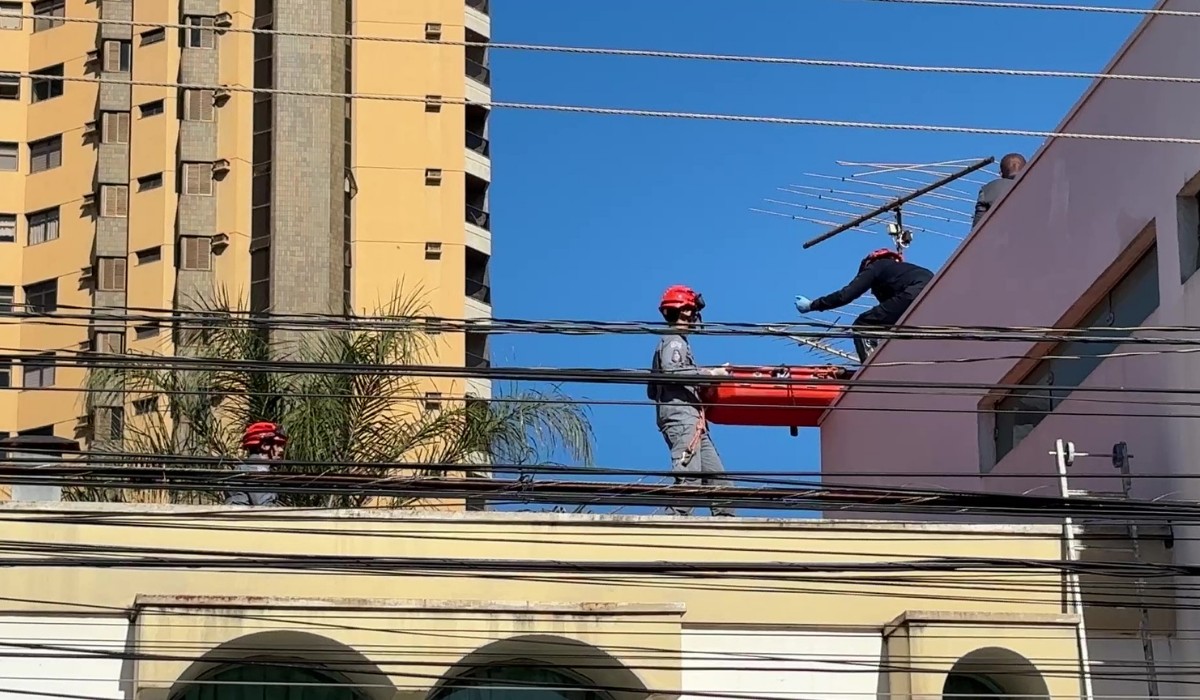
A 56-year-old man sustained burns to his right arm, chest, and abdomen after suffering an electrical shock while working on Rua 13 de Maio in central Limeira, São Paulo, Brazil, on Wednesday morning, May 15th. The victim was conscious when emergency services arrived. He was attended to by an Advanced Support Unit (USA) and the Fire Department before being transported to the city's Santa Casa hospital. Neoenergia Elektro, the electricity provider, confirmed that power was cut to the site during the rescue operation. The company expressed regret over the incident and reiterated safety guidelines, advising that professionals and contractors maintain a minimum safety distance of 2.5 meters from electrical lines before commencing any painting, construction, or renovation work. Safety recommendations also include respecting safe distances for building structures, using appropriate Personal Protective Equipment (PPE) such as helmets, boots, and gloves, transporting equipment like scaffolding and ladders away from power lines, and emphasizing that no direct intervention on electrical networks should occur without proper authorization and training.
This incident highlights the critical importance of adhering to safety protocols when working near electrical infrastructure. The electrical utility's emphasis on maintaining a minimum safety distance underscores a systemic challenge in balancing development and construction with public safety. Future urban planning and infrastructure development must proactively integrate robust safety margins and potentially explore advanced warning systems or shielded power lines to mitigate risks in densely populated or active work areas. The event also points to the need for continuous reinforcement and potentially updated regulatory frameworks for worker training and on-site safety supervision, especially as technological advancements in construction and energy distribution evolve.
AI-generated to prompt reflection — not editorial opinion, not advice, not a statement of fact. How this works.