Man Suspected of Psychotic Episode Shoots Police Officer, Then is Shot by Police in Piauí
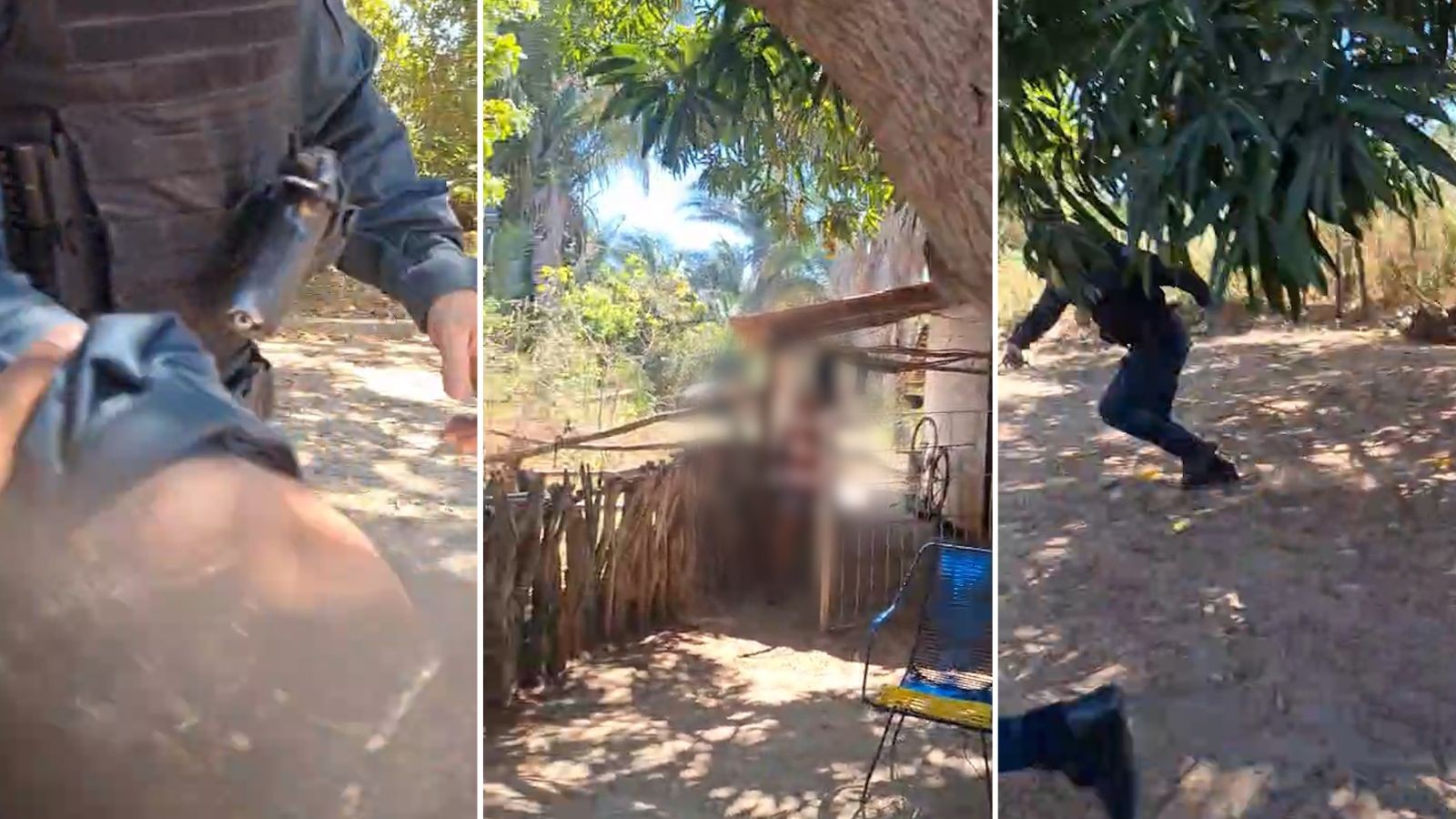
A 61-year-old man, suspected of having a psychotic episode, was shot in the leg by police on Friday morning, May 10th, in the Extrema village, rural Jerumenha, in Piauí, Brazil. The incident occurred after the man allegedly attacked a police officer with a machete during an approach. According to the Military Police of Piauí (PMPI), the officer sustained minor injuries to his right hand and left calf but managed to disarm the assailant using self-defense techniques. The situation began when the local Basic Health Unit (UBS) contacted the PM, reporting the man was aggressive, threatening staff, and posing a risk to himself and others. Police attempted to negotiate with the man, but he reportedly emerged from his home armed with a machete and advanced towards the officers. Video footage captured part of the confrontation, showing the man advancing despite warnings. Although a taser was available, its use was deemed unsafe due to the speed of the man's actions. After the man continued to advance, a police officer fired a shot, hitting the suspect in the left leg. Even after being shot, the man retained the machete, necessitating the arrival of a second police team for his containment and disarmament. Both the suspect and the injured officer received initial medical attention at the Jerumenha Hospital. The officer reported being well, with only minor injuries. The PM stated that the officers' actions adhered to principles of legality, necessity, proportionality, and moderation in the use of force, deeming the shooting an extreme measure to protect lives. The case has been registered with the Civil Police of Guadalupe for further investigation.
This incident highlights the critical challenges law enforcement faces when responding to individuals experiencing mental health crises, particularly when those crises escalate to violent confrontations. The use of force, including lethal force, in such scenarios raises complex questions about de-escalation protocols, the availability and effectiveness of less-lethal options, and the training required for officers to manage volatile situations involving mental health distress. The police's justification for the shooting emphasizes the immediate threat to officer safety and others, underscoring the difficult balance between public safety and the rights and well-being of individuals in crisis. Future systemic improvements could involve enhanced collaboration between mental health services and law enforcement, specialized crisis intervention teams, and ongoing training focused on non-violent conflict resolution and mental health awareness to mitigate the risk of such tragic outcomes.
AI-generated to prompt reflection — not editorial opinion, not advice, not a statement of fact. How this works.