Man Targeted for Third Time in Child Sexual Exploitation Material Operation in SC
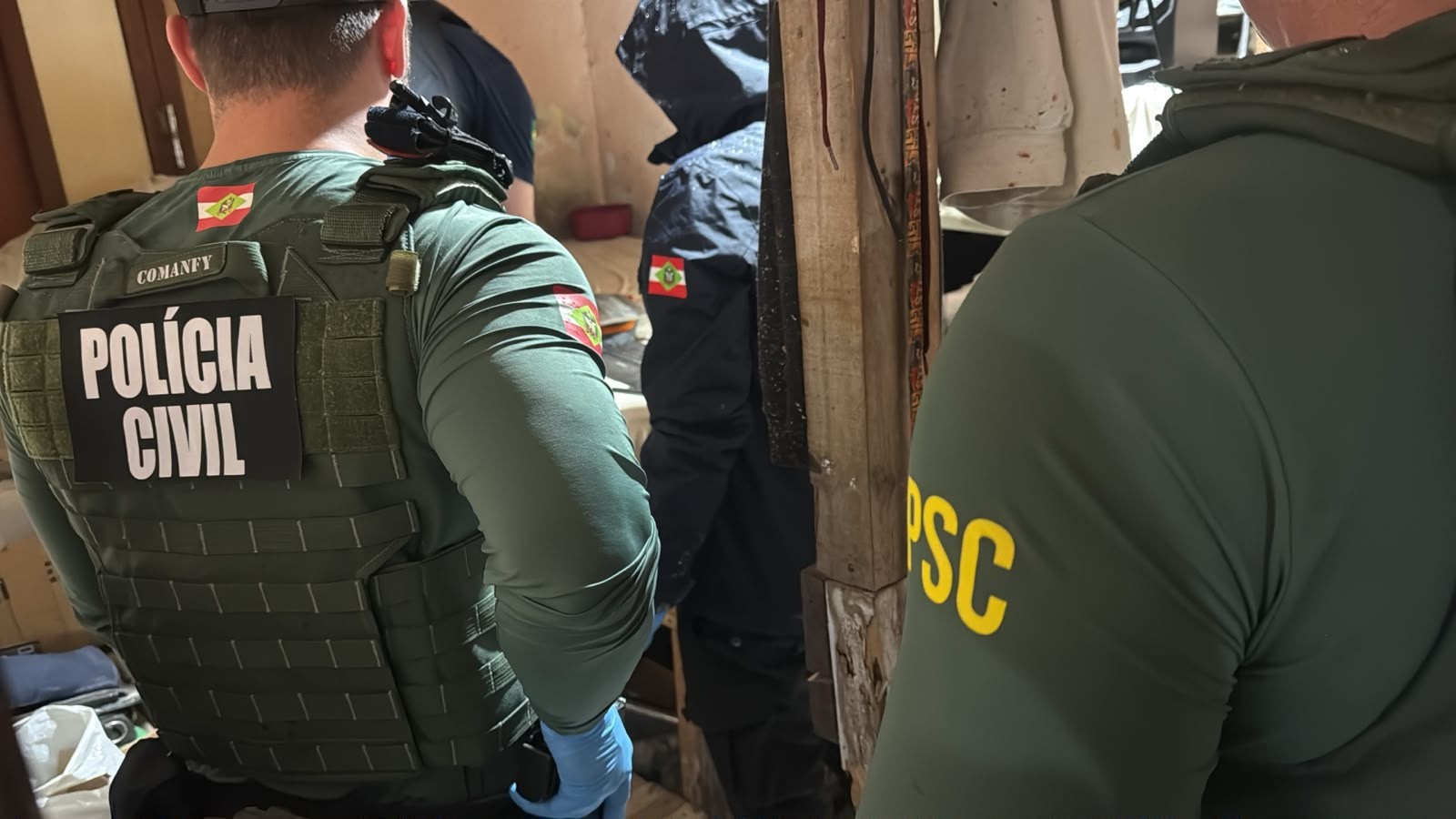
A man in Camboriú, Santa Catarina, was the target of a search and seizure operation for the third time on Wednesday, May 22nd. The investigation focuses on the alleged possession and storage of child sexual exploitation material involving children and adolescents. According to the state's Public Prosecutor's Office (MPSC), the individual had been arrested in flagrante delicto on the two previous occasions but is currently at liberty. His name has not been released.
The materials seized during the recent operation will undergo forensic analysis. The MPSC has not specified the items targeted by the warrant. The investigation aims to uncover the alleged possession and storage of images and videos depicting child sexual exploitation, offenses defined under the Statute of the Child and Adolescent (ECA). On both prior arrest instances, the suspect was found in possession of such material. He has not yet been convicted and was not held preventively. The reasons for his release following custody hearings remain undisclosed due to the case's secrecy.
The operation was conducted by the Specialized Action Group to Combat Criminal Organizations (GAECO), specifically its Cybergaeco unit, a task force comprising Santa Catarina state authorities focused on investigating and monitoring virtual environments. This case follows a recent arrest of another individual in Tubarão, Southern Santa Catarina, who was allegedly making "obscene and explicit" online comments to a 2-year-old child. That suspect was preventively arrested a week prior, with electronic devices seized in a June 18th operation, leading to charges under articles 240 and 241-B of the ECA.
This operation highlights the persistent challenges in combating the production and dissemination of child sexual exploitation material, particularly within digital spaces. The repeated targeting of the same individual, despite prior arrests, suggests potential gaps in legal frameworks, enforcement protocols, or rehabilitation efforts that allow for continued alleged offending. The involvement of specialized cybercrime units like Cybergaeco underscores the evolving nature of these crimes and the necessity for advanced technological capabilities in law enforcement. Future strategies may need to consider enhanced digital forensics, cross-jurisdictional cooperation, and more robust pre-trial detention mechanisms where evidence strongly indicates ongoing risk, balanced against due process rights. The case also points to the critical role of victim advocacy, as seen with the influencer Luma Cavalcante, in bringing such offenses to light and driving legal action.
AI-generated to prompt reflection — not editorial opinion, not advice, not a statement of fact. How this works.