Man Who Held His Own Wake Dies at 47 After Cancer Battle
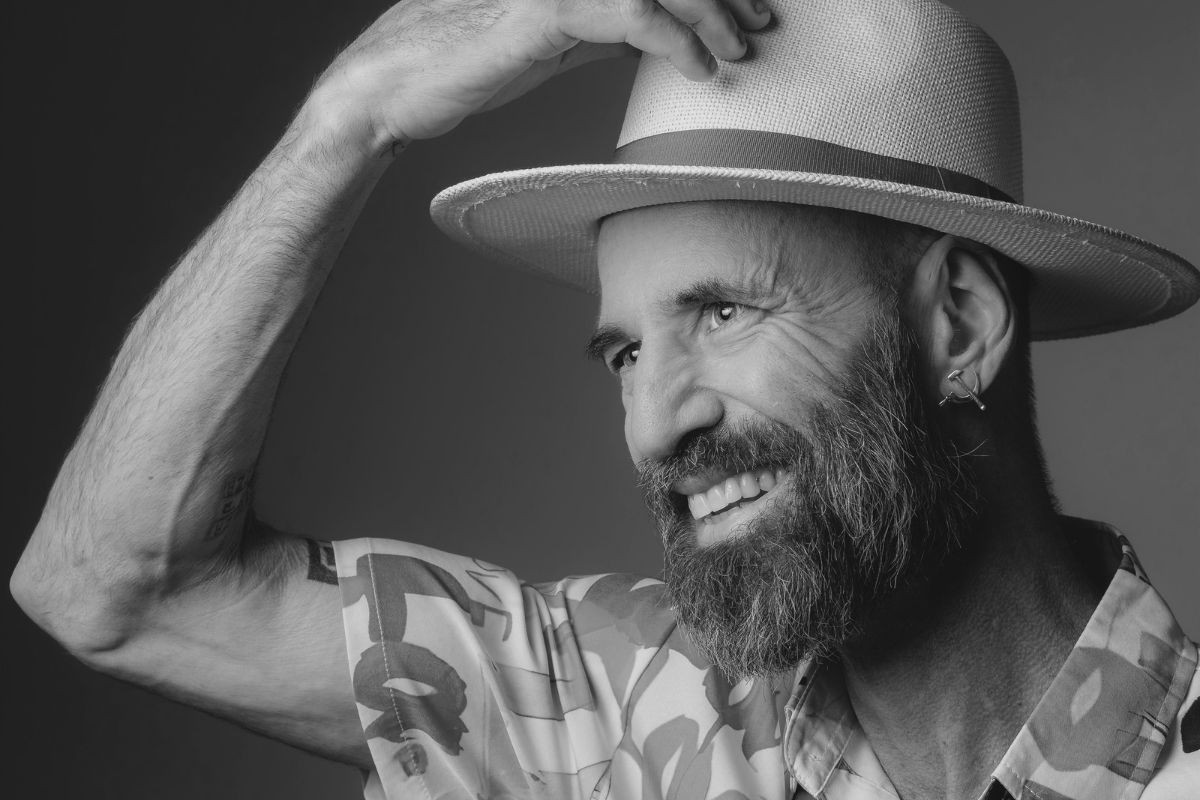
Tiago Pitthan, widely known on social media as "Bom Sujeito" (Good Subject), passed away on Sunday, November 5th, at the age of 47 in Campo Grande, Brazil. He had been battling advanced stomach cancer. Pitthan gained national attention in June when he organized his own pre-death wake, an event attended by friends and family in Campo Grande, which emphasized the importance of living life to the fullest. Hours before his death, Pitthan shared a final video from the hospital, expressing peace and contentment with his life, stating, "I won. A kiss from Bom Sujeito." This message resonated deeply with his over 72,000 followers, eliciting thousands of comments. Friends and acquaintances lauded his strength and the profound life lessons he imparted, highlighting his positive outlook irrespective of his illness. His surgeon, Dr. Paulo Stanke, also paid tribute, noting Pitthan's bravery and how he learned from the patient's intense approach to life. Diagnosed in March 2024, Pitthan discovered his cancer was incurable but chose to live his remaining time meaningfully. He continued working, learned guitar, revisited adventurous sites, and organized his wake, where he performed on stage. He also meticulously organized personal affairs for his family, expressing a greater fear of missing out on life than of death itself. Pitthan's courageous and inspiring approach to his illness has made him a symbol of resilience for many.
This narrative highlights an individual's profound impact through a deliberate choice to confront mortality with an emphasis on living. The "wake in life" event, while unconventional, served as a powerful public declaration of his values and a catalyst for reflection among his community and beyond. The analysis of such a case centers on the societal implications of confronting terminal illness with radical acceptance and proactive engagement with life's final chapter. It prompts consideration of how individuals, and by extension society, frame and respond to inevitable life transitions, particularly in the face of advanced disease. The focus shifts from a passive victimhood narrative to one of agency and meaning-making, challenging conventional approaches to death and dying by prioritizing lived experience and personal legacy. This perspective invites a broader discussion on palliative care, mental health support systems, and the cultural frameworks that shape our understanding of a life well-lived, especially when confronted with significant health challenges.
AI-generated to prompt reflection — not editorial opinion, not advice, not a statement of fact. How this works.