Man Working on Laptop at Red Light Sparks Debate on Work Culture
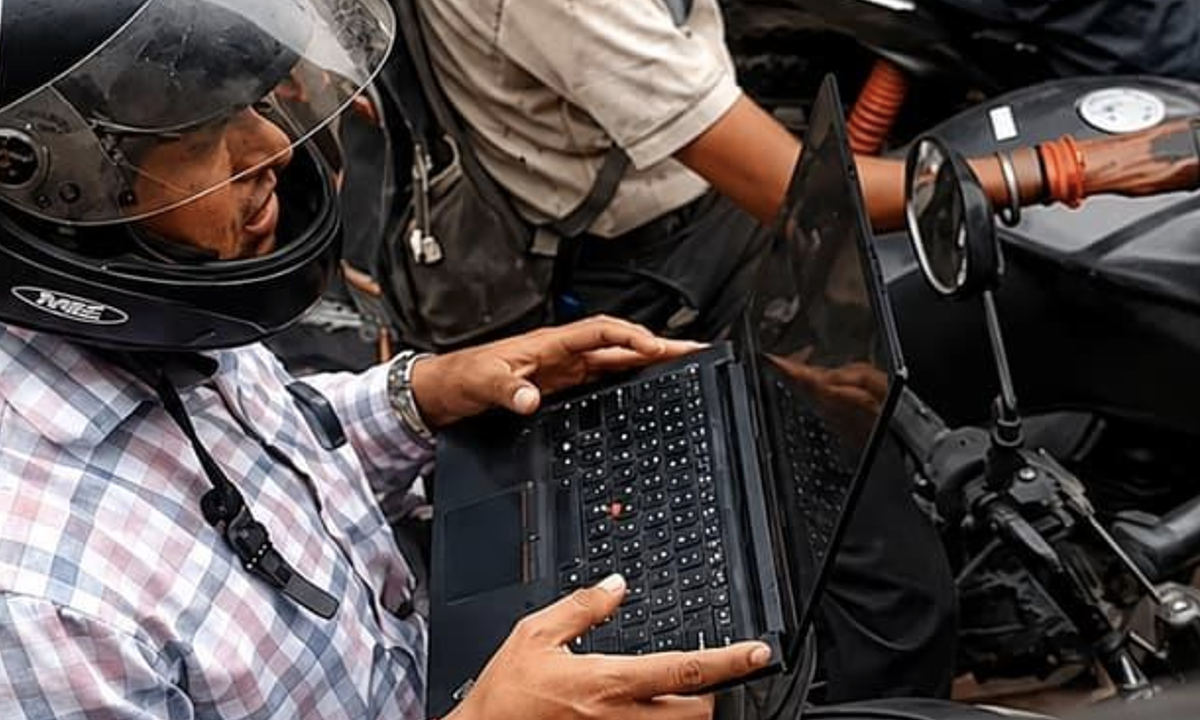
A photograph capturing a man working on his laptop while waiting for a red light in India has ignited a widespread discussion online. The image depicts the individual engrossed in his work amidst traffic, prompting conversations about corporate culture and the pervasive issue of work-related burnout. This incident has brought to the forefront the intense pressures faced by many professionals in today's demanding work environments. The debate centers on whether such dedication reflects commitment or a symptom of an unhealthy work-life balance. It raises questions about societal expectations and the normalization of constant work, even during brief moments of pause. The viral nature of the photo suggests a shared experience and concern among many who witness or participate in similar demanding work routines. Ultimately, the image serves as a potent symbol for the ongoing dialogue regarding the sustainability of current work practices and their impact on individual well-being.
This widely shared image highlights a potential disconnect between productivity demands and personal well-being, particularly within the context of India's competitive corporate landscape. The incident prompts an examination of workplace norms that may implicitly or explicitly encourage constant availability and work engagement, even outside traditional office hours or settings. It raises questions about the long-term sustainability of such intense work cultures and their impact on employee health and retention. The viral nature of the photograph suggests a societal resonance with the depicted scenario, indicating a broader concern about the pressures of modern professional life and the potential for burnout. Future considerations may involve exploring organizational strategies that promote healthier work-life integration and redefine success beyond mere hours logged or constant digital presence.
AI-generated to prompt reflection — not editorial opinion, not advice, not a statement of fact. How this works.