Man Works for Two Days with Stroke Symptoms, Believing He Had to Be Unconscious to Be Ill
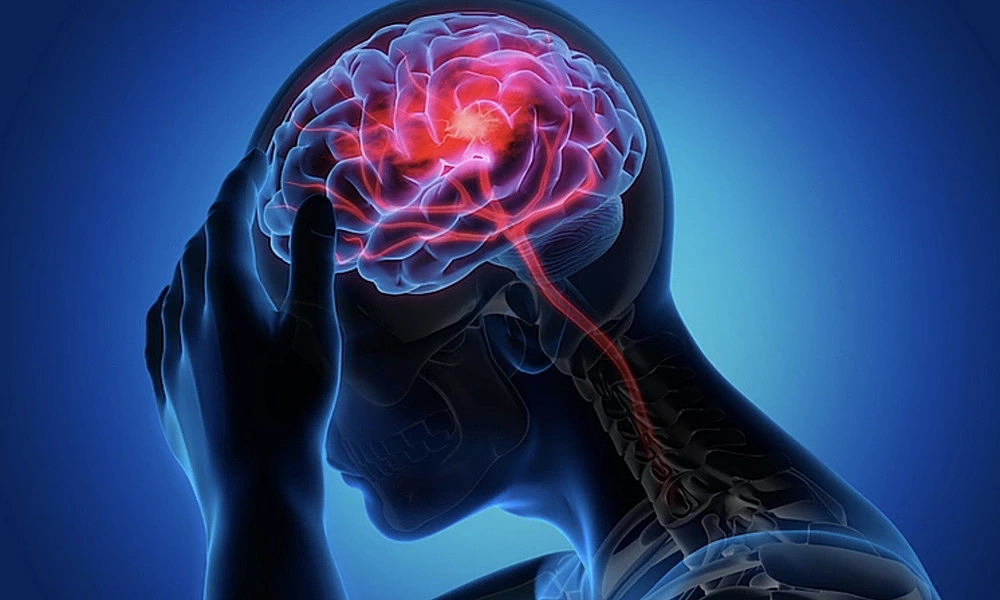
A 36-year-old man experienced facial drooping, blurred vision, and leg paralysis for two days but continued to go to work. He believed that a stroke required him to be unconscious, delaying his seeking medical attention. Upon finally being admitted to the hospital, his condition was found to be severe. This case highlights a dangerous misconception about stroke symptoms and the importance of recognizing all signs, not just loss of consciousness.
This incident underscores a critical public health challenge: the gap between recognizing severe medical emergencies and the public's understanding of their symptoms. The individual's misconception about stroke, equating it solely with unconsciousness, led to a delay in care, potentially exacerbating his condition. Such misunderstandings can stem from insufficient public health campaigns or cultural narratives that oversimplify complex medical events. Future interventions should focus on educating diverse populations about the full spectrum of stroke indicators, emphasizing that any sudden neurological change warrants immediate medical evaluation, regardless of consciousness level. This proactive approach can mitigate preventable complications and improve patient outcomes by encouraging timely intervention.
AI-generated to prompt reflection — not editorial opinion, not advice, not a statement of fact. How this works.