Manacapuru Artisans Transform Talent into Income, Empowering Vulnerable Women
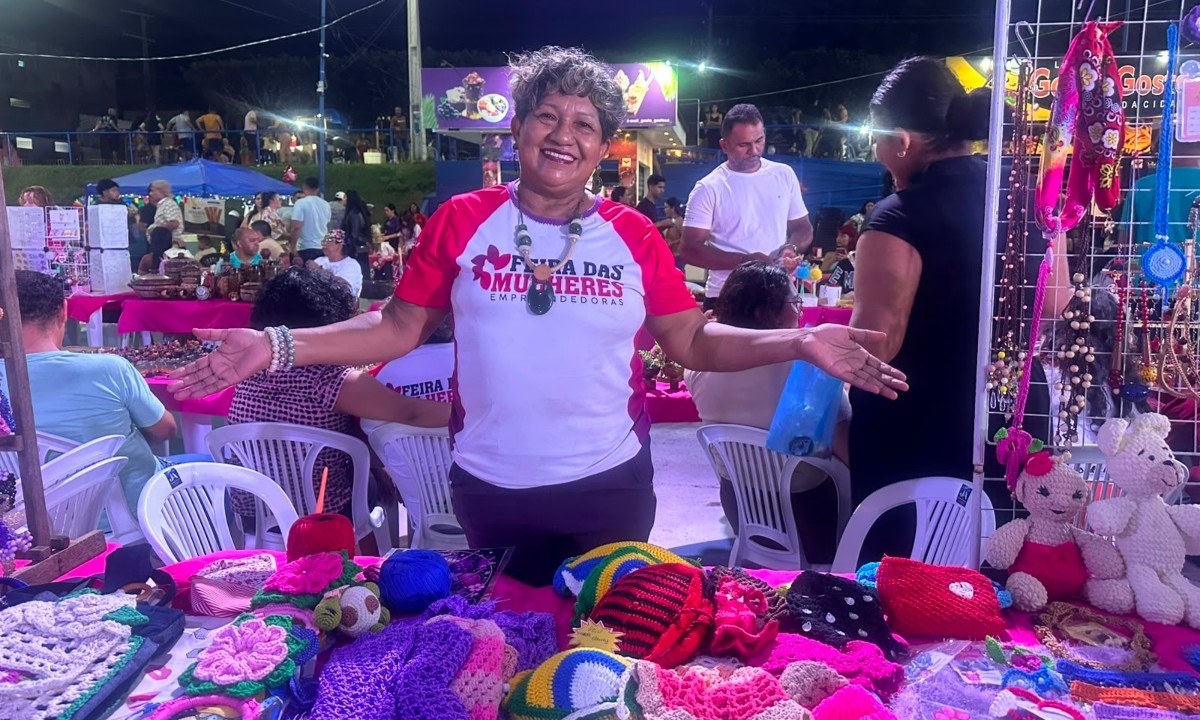
In Manacapuru, Amazonas, women are finding economic independence and community through artisanal crafts. This initiative has become a vital source of income for diverse groups, including cancer patients, single mothers, indigenous women, and survivors of domestic violence. Many participants, like social educator Aurinete Alves de Oliveira, discovered their passion for crafts during challenging personal times. Oliveira, who began making fuxico (fabric scrap art) 16 years ago while battling breast cancer, now teaches workshops to women facing anxiety, depression, and cancer, helping them generate income and find purpose.
Indigenous artisan Ivanete Laborda, 33, from the Apurinã people, showcases traditional grafismos made with jenipapo fruit juice on bags and clothing, preserving her culture and identity. Retired teacher Vera Lúcia da Silva, 64, turned her art teaching experience into a bio-jewelry business after taking courses at a local social assistance center. The project, coordinated by single mother Rosângela Picanço, supports approximately 80 artisans. Picanço herself started making artisanal cosmetics after her divorce and, despite a recent cancer diagnosis, continues to work and organize the fair. The recent fair, part of Manacapuru's anniversary celebrations, featured crochet, creative sewing, bio-jewelry, indigenous graphics, and other crafts, generating R$ 46,000 in sales.
The municipal secretary for Women's Policies, Ariane Campello, aims to expand opportunities for these women to strengthen their businesses, viewing the fair as a crucial platform for sales and networking to boost income generation.
This initiative in Manacapuru highlights the powerful intersection of cultural preservation, personal resilience, and economic empowerment. By leveraging artisanal skills, particularly those rooted in indigenous traditions and developed through therapeutic or necessity-driven processes, vulnerable women are creating sustainable livelihoods. The project's success underscores the importance of community-based platforms like craft fairs, which not only provide direct sales but also foster networking and business development. Looking ahead, scaling such models could offer significant economic and social benefits, particularly in regions where traditional crafts hold cultural value and can be adapted for contemporary markets. The challenge lies in ensuring long-term market access and fair compensation, enabling these artisans to thrive beyond temporary market events and build lasting economic security.
AI-generated to prompt reflection — not editorial opinion, not advice, not a statement of fact. How this works.