Manacapuru leads Amazon state in violent deaths among large cities; Parintins has lowest rate
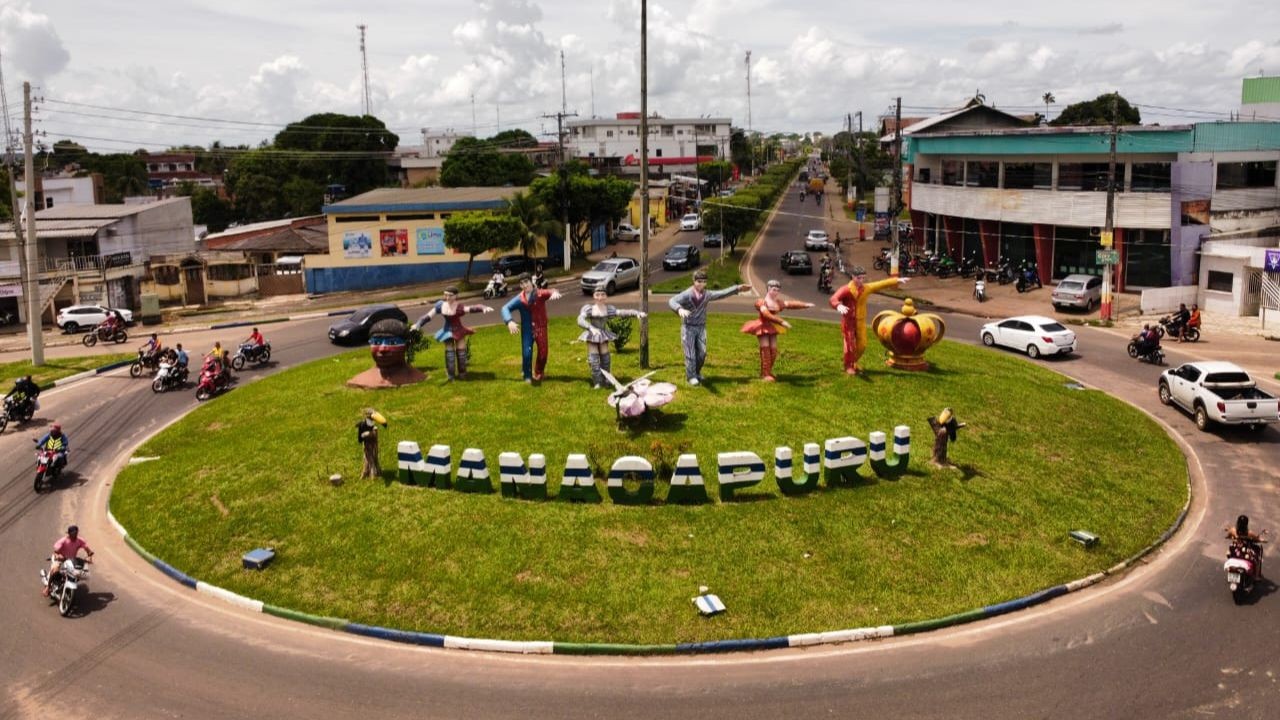
Manacapuru, Amazonas, has the highest rate of intentional violent deaths (MVI) among cities in the state with over 100,000 inhabitants, according to the 20th Brazilian Public Security Yearbook. Parintins recorded the lowest rate within this group. The study, conducted by the Brazilian Public Security Forum (FBSP), analyzed populous Brazilian municipalities and calculated violence rates per 100,000 residents. Intentional violent deaths include intentional homicides, femicides, robberies resulting in death, bodily harm leading to death, and deaths caused by police. Among the four Amazonian cities included, Manacapuru registered 25.1 MVI per 100,000 people, Manaus had 17.8, Itacoatiara 16.7, and Parintins 5.9. However, the yearbook's scope, limited to cities over 100,000, prevents Parintins from being classified as the least violent city in the entire state. Nationally, Maranguape, Ceará, led with 100.3 MVI per 100,000, with several Bahian cities also ranking high. No Amazonian municipality appeared in the top ten most violent cities nationwide. Manaus ranked seventh for cellphone theft and robbery incidents. At the state level, Amapá remained the most violent, despite a decrease in its rate, while Santa Catarina surpassed São Paulo as the state with the lowest violent death rate.
This report highlights significant disparities in violent crime rates across Brazilian municipalities and states, particularly when comparing cities above and below a 100,000-population threshold. The data, while providing valuable metrics for public safety assessment, underscores the importance of granular analysis beyond broad regional or national averages. The methodology's focus on specific population segments may obscure localized violence patterns in smaller communities. Future public safety strategies could benefit from disaggregated data that accounts for varying urban and rural dynamics, alongside socioeconomic factors influencing MVI rates. Examining the correlation between specific crime types and urban development or law enforcement strategies in high-rate areas like Manacapuru, and conversely, the factors contributing to low rates in places like Parintins, offers potential insights for policy development and resource allocation across diverse Brazilian contexts.
AI-generated to prompt reflection — not editorial opinion, not advice, not a statement of fact. How this works.