Managing the Surge: The Challenge of 100,000 Satellites in Earth's Orbit
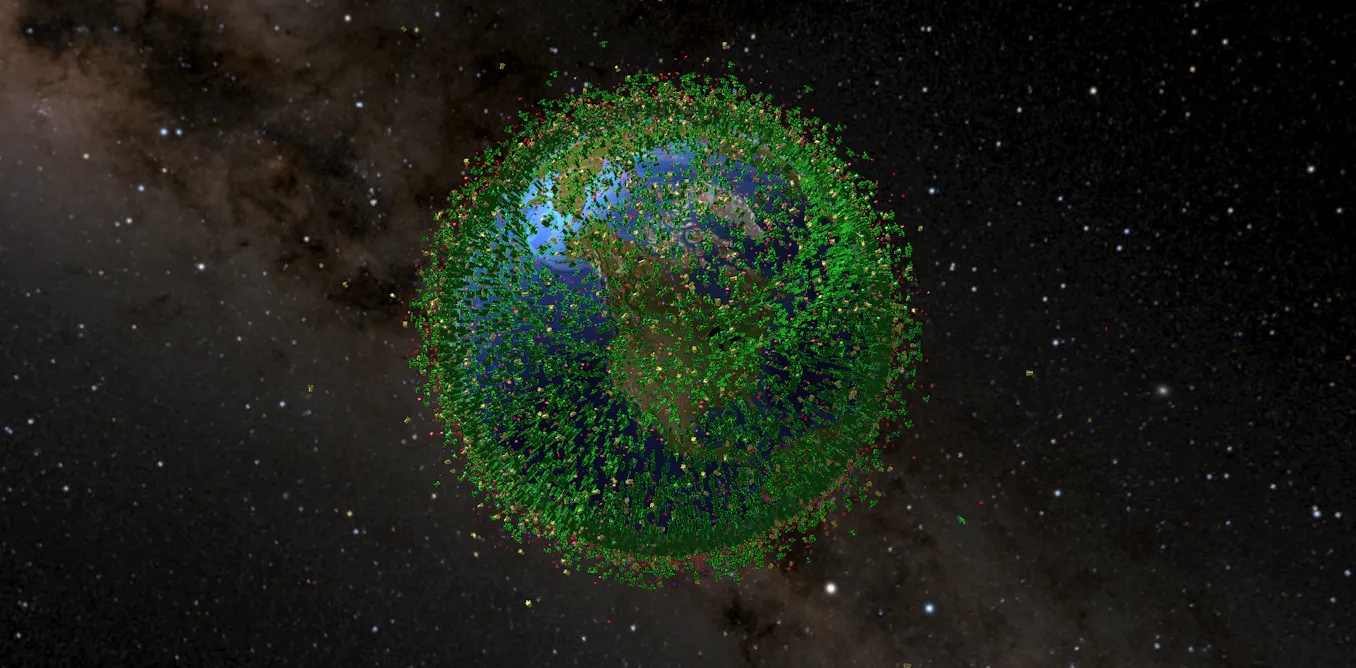
The number of satellites orbiting Earth has already reached 16,000, presenting a significant challenge for management and regulation. Unlike terrestrial vehicles, satellites cannot be easily recalled for maintenance or repairs, highlighting the unique logistical hurdles involved in space operations. As plans for launching tens of thousands more satellites are underway, the international community faces the daunting task of establishing effective governance frameworks.
This rapid expansion raises critical questions about orbital debris, collision avoidance, and the sustainable use of space. The current infrastructure and regulatory bodies may be ill-equipped to handle such a dramatic increase in space traffic. Proactive strategies and international cooperation will be essential to ensure the long-term viability of Earth's orbit for scientific, commercial, and national security purposes.
The exponential growth in satellite deployments necessitates a fundamental re-evaluation of space traffic management and orbital sustainability. Current regulatory frameworks, largely developed for a less congested environment, may prove inadequate for the projected influx of 100,000+ satellites. This situation presents a complex interplay of technological advancement, economic incentives driving commercial space ventures, and the geopolitical imperative for space access. Future governance models must address the inherent challenges of orbital debris mitigation, collision risk, and equitable access to space resources. The development of robust, internationally agreed-upon protocols will be crucial to prevent the degradation of the orbital environment and ensure its continued utility for future generations, balancing innovation with long-term stewardship.
AI-generated to prompt reflection — not editorial opinion, not advice, not a statement of fact. How this works.