Manaus Activates 17 New Traffic Cameras on Monday, February 13
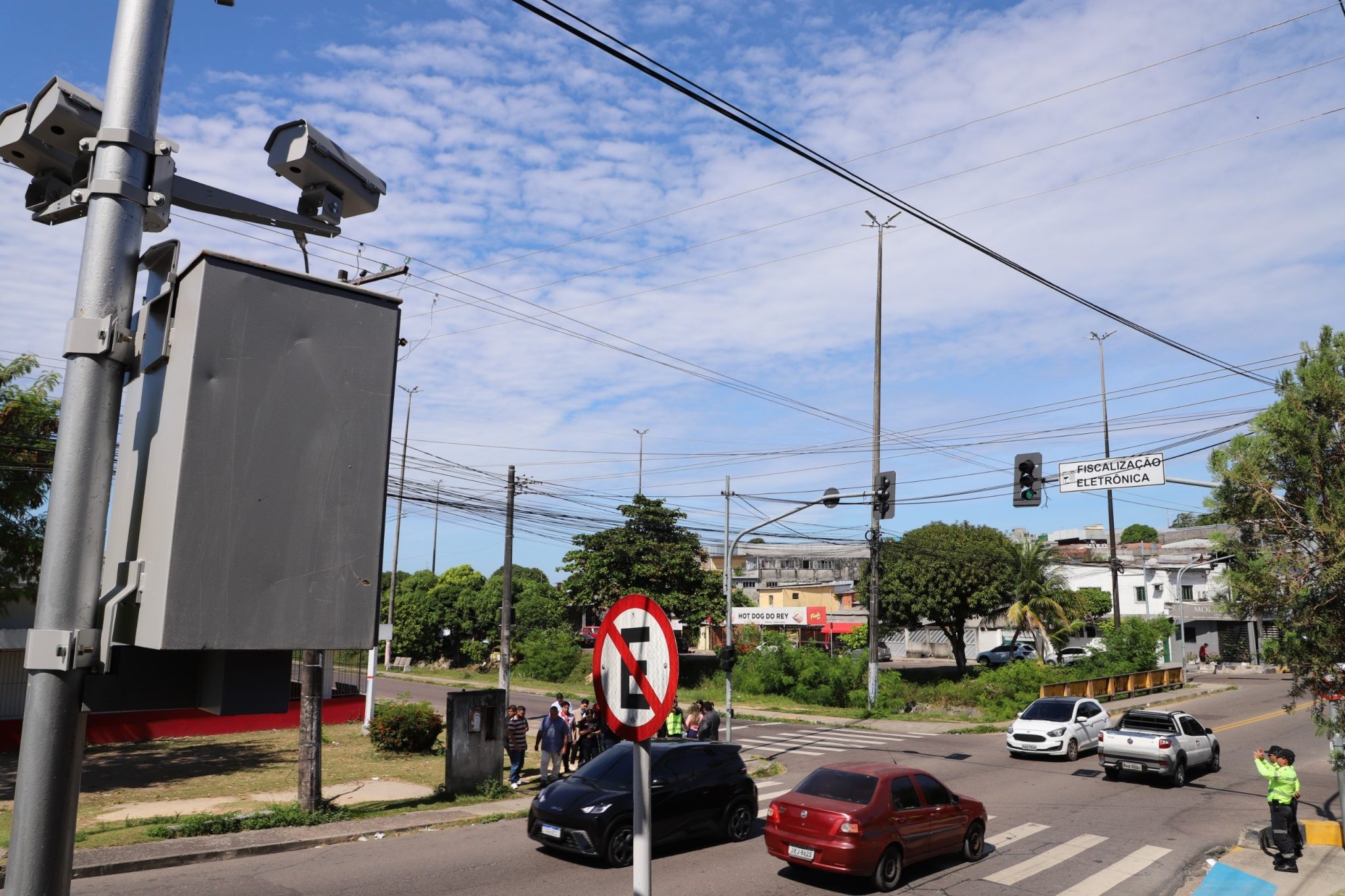
Manaus, Brazil – Seventeen new electronic traffic monitoring devices, installed by the Municipal Government, began operating on Monday, February 13th, across various locations in the capital city. These cameras are primarily designed to enforce regulations against running red lights and stopping vehicles on pedestrian crossings. According to the Municipal Institute of Urban Mobility (IMMU), the devices were strategically placed on high-traffic roads, with enhanced signage implemented prior to the enforcement period. Of the 17 units, 16 will focus on red light violations and infractions related to stopping on crosswalks. A separate camera, situated on Rua Maceió in the Adrianópolis neighborhood, will specifically monitor heavy vehicles, checking for axle weight, metallic mass, and dual tires. The city administration stated that this expansion of traffic enforcement is part of a broader initiative to reduce accidents and improve road safety, particularly in areas with significant pedestrian activity. IMMU confirmed that signage at these monitored locations has been improved and repositioned for better driver visibility. This deployment follows the activation of 34 other traffic monitoring devices since February 2026, which included speed cameras, electronic speed bumps, and heavy vehicle detectors. Previously, Manaus had 27 operational devices.
The implementation of new traffic monitoring systems in Manaus reflects a growing global trend towards leveraging technology for urban traffic management and safety. By focusing on critical violations like red-light running and pedestrian crossing infringements, the city aims to mitigate common causes of accidents. The inclusion of a dedicated heavy vehicle monitoring system addresses specific safety concerns related to commercial transport. This initiative, while aimed at enhancing public safety and potentially reducing accident-related costs, also raises considerations regarding data privacy, the potential for revenue generation through fines, and the equitable distribution of enforcement across different socioeconomic areas of the city. Future evaluations should assess the long-term impact on accident rates, traffic flow efficiency, and public perception of fairness in enforcement.
AI-generated to prompt reflection — not editorial opinion, not advice, not a statement of fact. How this works.