Manaus Basic Food Basket Price Rises 4.52% in July Driven by Potato and Bean Costs
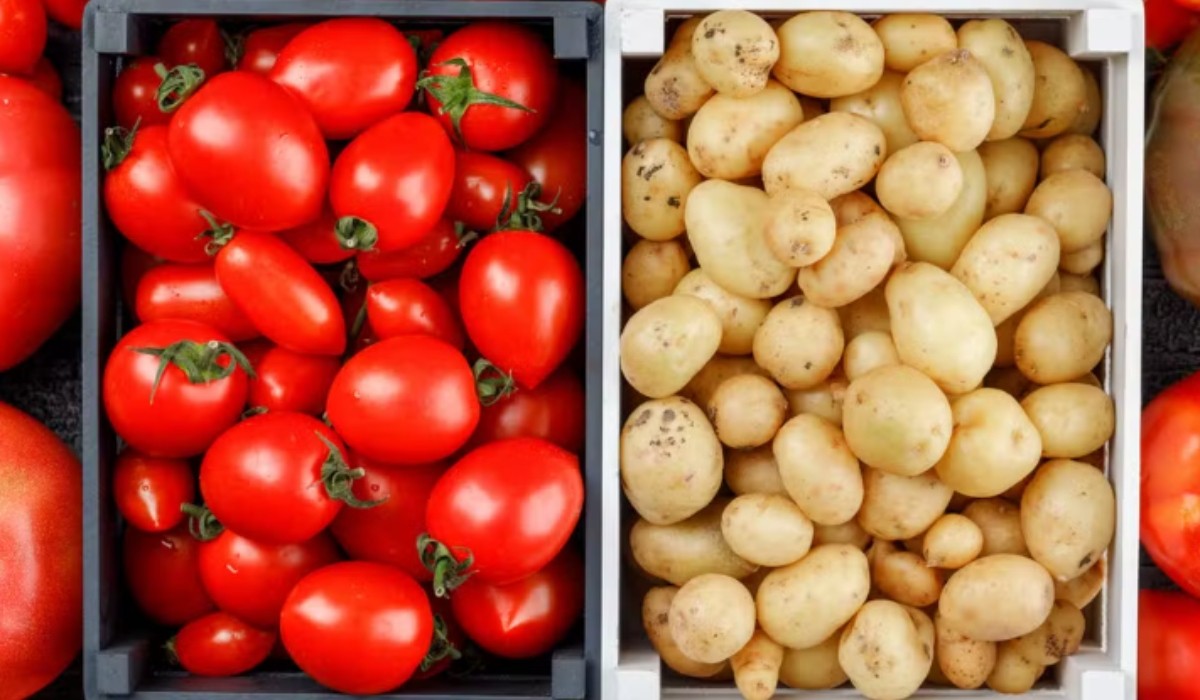
The average price of a basic food basket in Manaus increased by 4.52% in July, reaching R$ 293.98, up from R$ 281.46 in June. This finding comes from a survey conducted by Procon Manaus on July 2nd, examining 39 essential items across ten supermarkets in the capital. Despite a significant 39.58% drop in tomato prices, which ranged from R$ 8.99 to R$ 15.99 per kilogram, other staples saw considerable increases. Portuguese potatoes experienced a 32.36% price hike, selling between R$ 6.15 and R$ 9.99 per kilogram. Carioca beans also rose by 26.12%, with prices varying from R$ 7.29 to R$ 10.49 per kilogram. The survey revealed price disparities across different stores, with the lowest basket price recorded at R$ 261.64 in the Cidade Nova neighborhood and the highest at R$ 331.18 in Flores, a difference of R$ 69.54. Onilda Abreu, president of Procon Manaus, stated that the monthly monitoring helps families identify significant expenses and encourages informed consumption habits. Procon Manaus advises consumers to compare prices and use the survey data as a reference for potential savings, acknowledging that prices can fluctuate due to promotions or product availability.
The monthly fluctuation in the basic food basket price in Manaus highlights the sensitivity of household budgets to commodity market dynamics, particularly for essential goods like potatoes and beans. While the decrease in tomato prices offers temporary relief, the substantial increases in other staples underscore systemic challenges in food supply chains and price stabilization. Procon Manaus's role in providing transparent price data is crucial for empowering consumers to navigate these market volatilities, fostering more conscious purchasing decisions. Looking ahead, understanding the factors contributing to these price swings, such as agricultural yields, transportation costs, and potential market speculation, will be key for developing more resilient food security strategies in urban centers over the next decade.
AI-generated to prompt reflection — not editorial opinion, not advice, not a statement of fact. How this works.