Manaus Bus Strike Ends: 80% of Fleet Returns to Service
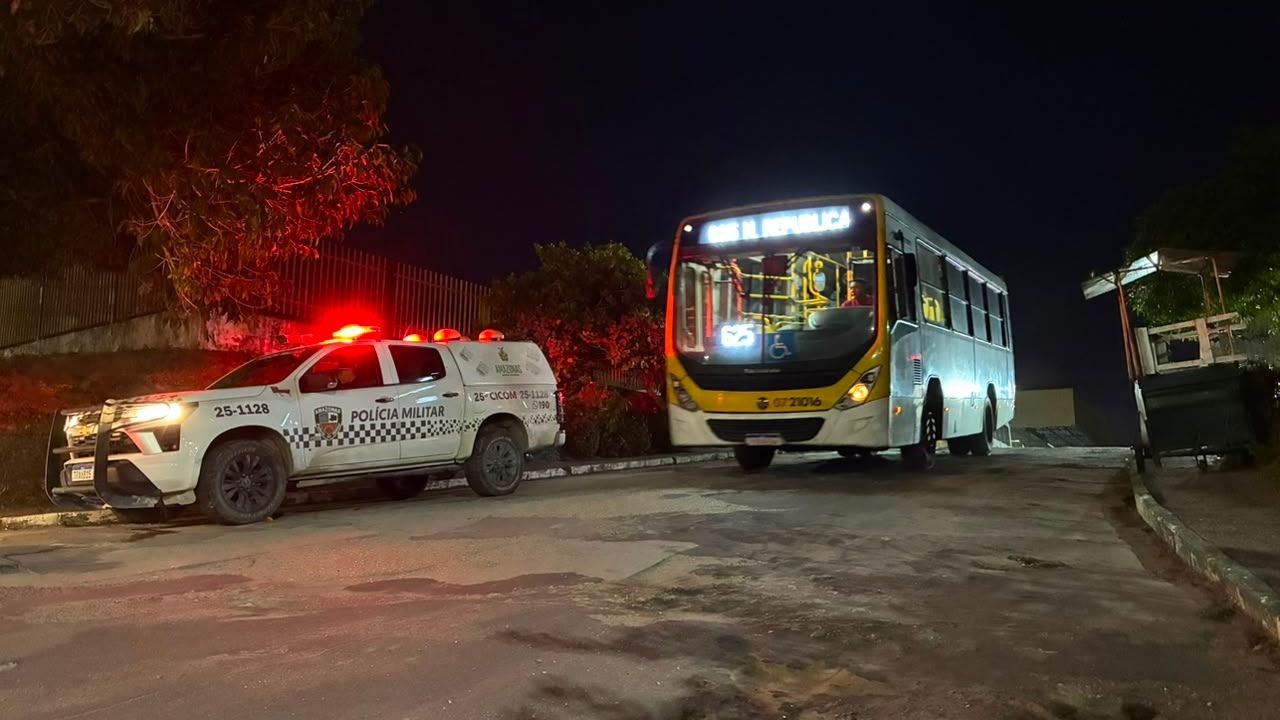
Bus services in Manaus began resuming operations early Tuesday, March 21st, following a one-day strike by transport workers that started on Monday, March 20th. Approximately 80% of the total bus fleet is now back on the streets, according to the Union of Passenger Transport Companies of Amazonas (Sinetram). Military police were present at bus depots during the resumption of services, and all companies have reportedly reintroduced vehicles into circulation. The strike had significantly impacted around 350,000 passengers, with the entire public transport system being halted on Monday. This return to operation follows a decision by the Regional Labor Court of the 11th Region (TRT-11), which mandated that 80% of the fleet operate during peak hours and 50% during off-peak times, with a daily fine of R$120,000 for non-compliance. The bus drivers' union cited delayed salary payments as the reason for the work stoppage, with union president Givancir Oliveira stating that companies failed to meet payment deadlines previously set by the court. Earlier in March, the TRT-11 had ordered companies to pay 40% of salaries by the 20th of each month and the remaining 60% by the fifth business day of the following month, a deadline that was reportedly missed on March 20th.
The resolution of the Manaus bus strike highlights a recurring tension between labor demands for timely compensation and the financial sustainability of public transport operations. The court's intervention, mandating partial service resumption under penalty of fines, reflects a system grappling with balancing essential public services against contractual obligations and worker rights. This situation underscores the broader challenge of ensuring reliable public transportation in urban centers, where economic pressures on operators can directly impact commuter access and daily life. Future considerations may involve exploring more robust financial oversight mechanisms or alternative funding models to prevent such disruptions and ensure consistent service delivery, particularly in light of evolving urban mobility needs and economic volatilities.
AI-generated to prompt reflection — not editorial opinion, not advice, not a statement of fact. How this works.