Manaus Bus Strike Enters Third Day Amid Wage Payment Delays
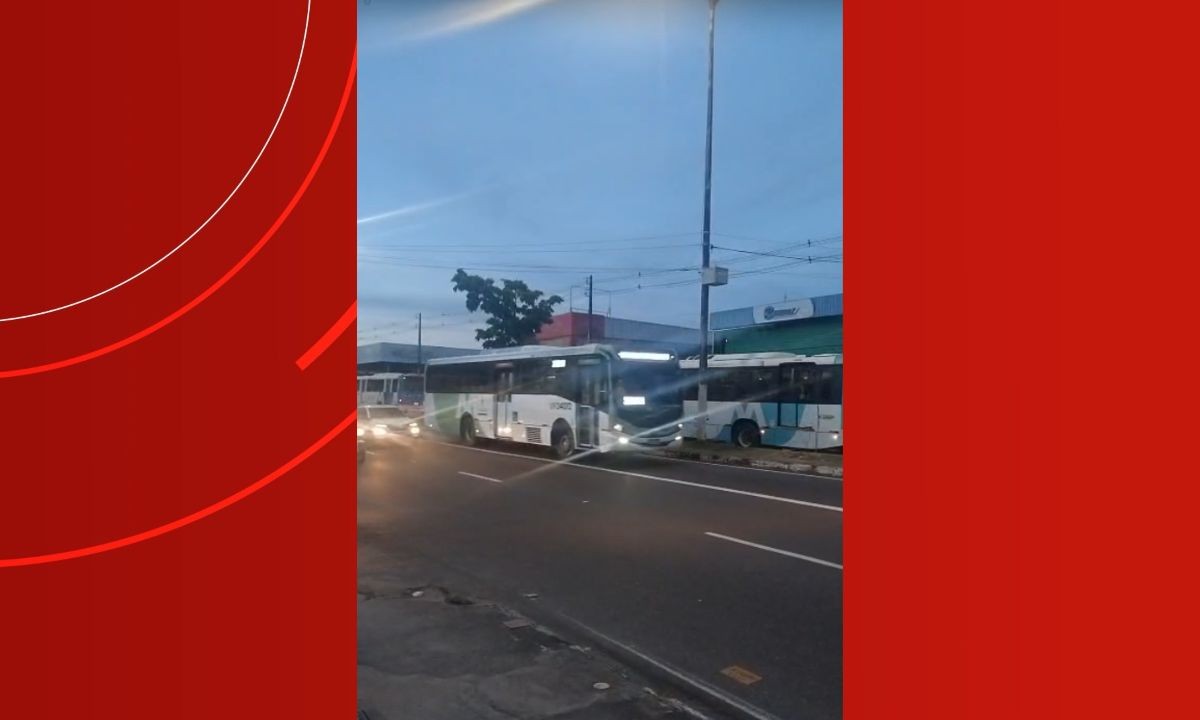
A strike by bus drivers in Manaus, Brazil, has entered its third consecutive day, causing significant disruptions to public transportation. The drivers' union initiated the strike on Monday, May 20th, after transport companies failed to meet the deadline for the first salary installment, as mandated by the Labor Court. Consequently, bus circulation remains reduced, operating at 80% capacity during peak hours (6-9 AM and 5-8 PM) and 50% during off-peak times, as per a judicial order from the Regional Labor Court of the 11th Region (TRT-11).
The core of the dispute lies in delayed wage payments, with the union president, Givancir Oliveira, stating that companies have repeatedly missed payment deadlines. This situation is further complicated by a significant debt of R$ 90.1 million owed to transport companies, primarily related to the student free pass program. The State of Amazonas is reportedly responsible for over R$ 44 million of this debt, with the Municipality of Manaus owing the remainder.
City and state officials have offered differing accounts regarding outstanding payments. Manaus Mayor Renato Júnior asserted that the municipality has no pending debts for 2026 and has already disbursed approximately R$ 284 million to Sinetram this year. The Municipal Institute of Urban Mobility (IMMU) confirmed no 2026 debts but acknowledged a R$ 150.4 million deficit from previous years, attributing R$ 91 million to the state and R$ 59 million to the municipality. The State, through Vice-Governor Serafim Corrêa, recognized an R$ 18 million debt for February-July 2026, which was reportedly paid within 24 hours. A key point of contention is the valuation of the student pass, with the state proposing R$ 2.50 per trip (half-fare) and Sinetram insisting on the technical tariff rate of over R$ 8.00.
The protracted bus driver strike in Manaus highlights a systemic conflict between labor demands, corporate financial stability, and public service provision, exacerbated by intergovernmental fiscal disputes. The core issue of delayed wages, while framed as a direct failure of transport companies, appears deeply intertwined with the complex financial ecosystem of public transport, particularly the outstanding debts related to student fare subsidies. The differing figures presented by the municipality, state government, and transport union regarding these debts suggest a lack of transparent financial management and coordination. This situation creates a cycle where operational funding is contingent on the resolution of complex inter-agency payment obligations, ultimately impacting the workforce and the commuting public. Looking ahead, the sustainability of public transport services in Manaus, and similar urban centers, will likely depend on establishing more robust and transparent funding mechanisms that decouple essential wage payments from fluctuating subsidy disbursements and address the underlying cost structure of public transit.
AI-generated to prompt reflection — not editorial opinion, not advice, not a statement of fact. How this works.