Manaus Bus Strike Halts Service, Leaving Terminals Crowded and Passengers Stranded
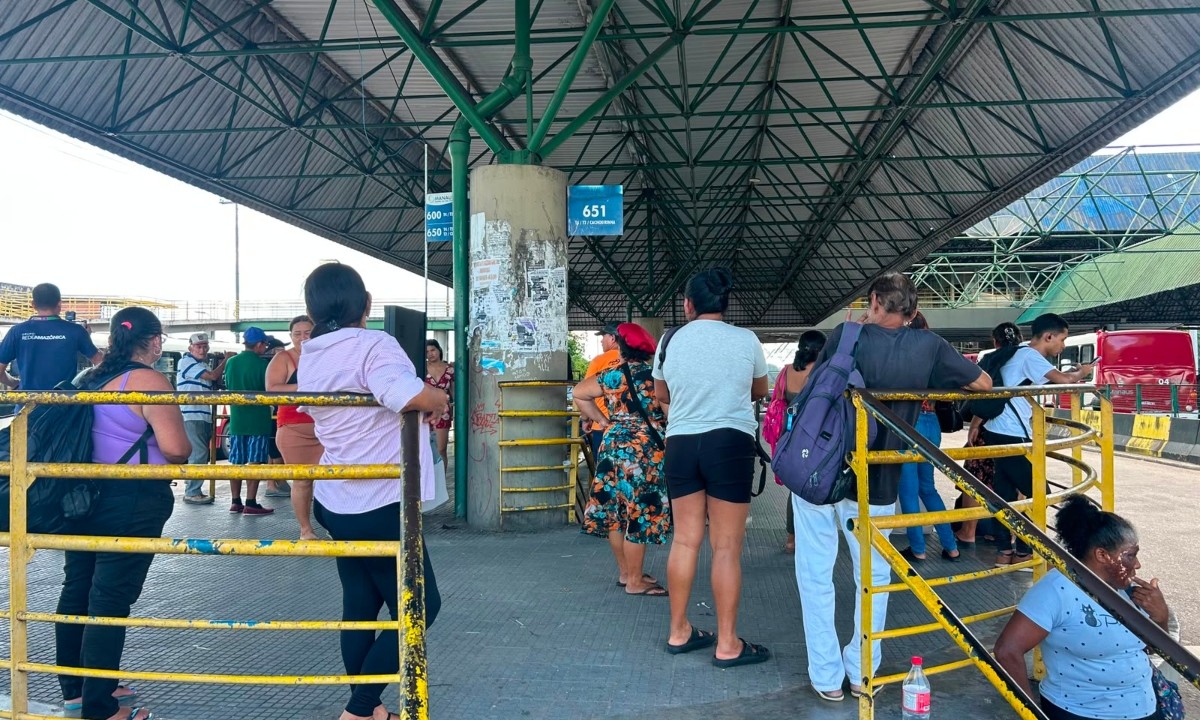
A complete bus strike by transport workers in Manaus began on Monday, May 20th, causing significant disruption and leaving hundreds of passengers stranded at the city's integration terminals. The Rodoviários Union announced the halt in service via social media, surprising many who rely on public transportation across various neighborhoods. Passengers like Alice Cristina, a housekeeper, missed important appointments due to the lack of buses, forcing her to consider rescheduling a crucial surgical risk examination. Similarly, Naira Souza, a homemaker, found herself waiting indefinitely at Terminal 1 with her young daughter after visiting the women's police station, with no information provided about the service resumption. The strike stems from the delayed payment of workers' salaries, a recurring issue according to the Rodoviários Union. President Givancir Oliveira stated that the decision was made because bus companies continued to disregard payment deadlines. Vice-president Josenildo Silva highlighted that a court order mandating timely payments had not been respected by the companies, emphasizing the workers' need to cover essential expenses like utilities and rent. A recent ruling from the Regional Labor Court of the 11th Region (TRT-11) stipulated that companies must pay 40% of salaries by the 20th of each month and the remaining 60% by the fifth business day of the following month. The Amazonas Passenger Transport Companies Union (Sinetram) expressed surprise at the strike, claiming no prior notification or consultation from the Rodoviários Union. Sinetram stated its commitment to open dialogue, announced plans for legal action to resume bus operations, and hopes for a swift normalization of services. The Manaus City Hall had not yet responded to requests for comment at the time of reporting.
This bus strike in Manaus highlights a persistent tension between labor rights and corporate operational realities within public transportation systems. The core issue appears to be the consistent failure of transport companies to adhere to judicial mandates regarding salary payments, directly impacting the livelihoods of their employees. From a systemic perspective, such disputes reveal potential weaknesses in regulatory oversight and enforcement mechanisms designed to ensure both service continuity and fair labor practices. The strike's impact on citizens underscores the critical role of public transport and the vulnerability of urban populations to service disruptions. Future considerations might involve exploring more robust dispute resolution frameworks or alternative service models that better insulate the public from labor-management conflicts, while ensuring companies operate within legal and ethical financial parameters. The situation also points to the need for transparent communication channels between unions, companies, and municipal authorities to preempt such widespread disruptions.
AI-generated to prompt reflection — not editorial opinion, not advice, not a statement of fact. How this works.