Manaus Bus Strike Reduces Commerce, Disrupts Commutes
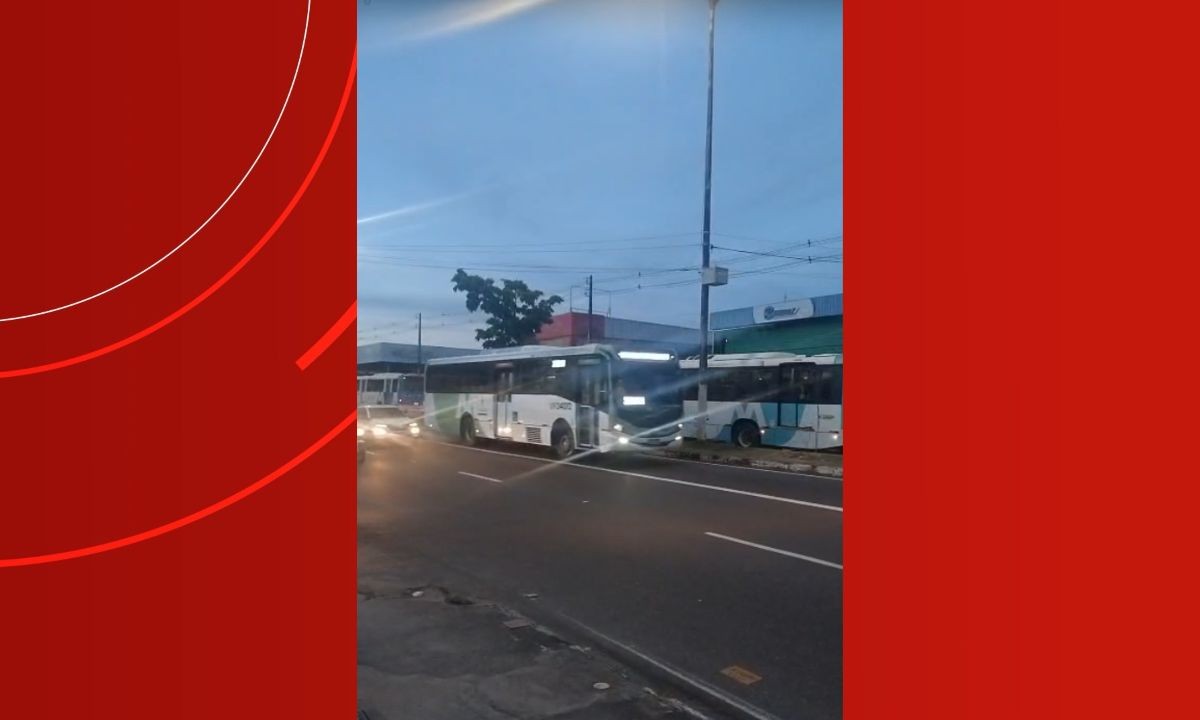
A bus driver strike in Manaus, Brazil, has significantly reduced commercial activity in the city center, according to the Amazonas Commercial Association (ACA). The strike, which began on Monday, March 20th, has led to only 50% of the public bus fleet operating outside of peak hours, causing many consumers to avoid the downtown area due to concerns about returning home. Bruno Pinheiro, president of the ACA, reported that many workers also faced difficulties getting home, with some waiting at bus terminals until 9 PM. The strike is reportedly due to delayed salary payments for the drivers. In response, Vice-Governor Serafim Corrêa announced on Tuesday evening that R$18 million had been paid, covering six months of pending values for the Student Free Pass program. The Manaus City Hall stated it has no outstanding debts. A court order mandates that 80% of buses and drivers must operate during peak hours (6-9 AM and 5-8 PM), with a minimum of 50% at other times, under penalty of a R$120,000 per hour fine for the drivers' union. While municipal schools remained open, with most students attending nearby institutions, the State University of Amazonas (UEA) and the Federal University of Amazonas (Ufam) shifted to remote activities for staff and students in Manaus due to transportation challenges.
The bus driver strike in Manaus highlights the critical interdependence between public transportation, economic activity, and educational access. The financial dispute, seemingly linked to student pass subsidies and driver salaries, reveals systemic funding challenges within public services. The court-mandated service levels, while aiming to mitigate disruption, underscore the difficulty in balancing labor rights with public necessity. The shift to remote learning by universities, though a pragmatic adaptation, points to the potential for digital divides to exacerbate inequalities when physical access is compromised. Future urban planning and fiscal management must proactively address these funding vulnerabilities to ensure resilient public services and equitable access to essential infrastructure.
AI-generated to prompt reflection — not editorial opinion, not advice, not a statement of fact. How this works.