Manaus Calls 295 Candidates for 2026 Animal Rabies Vaccination Campaign
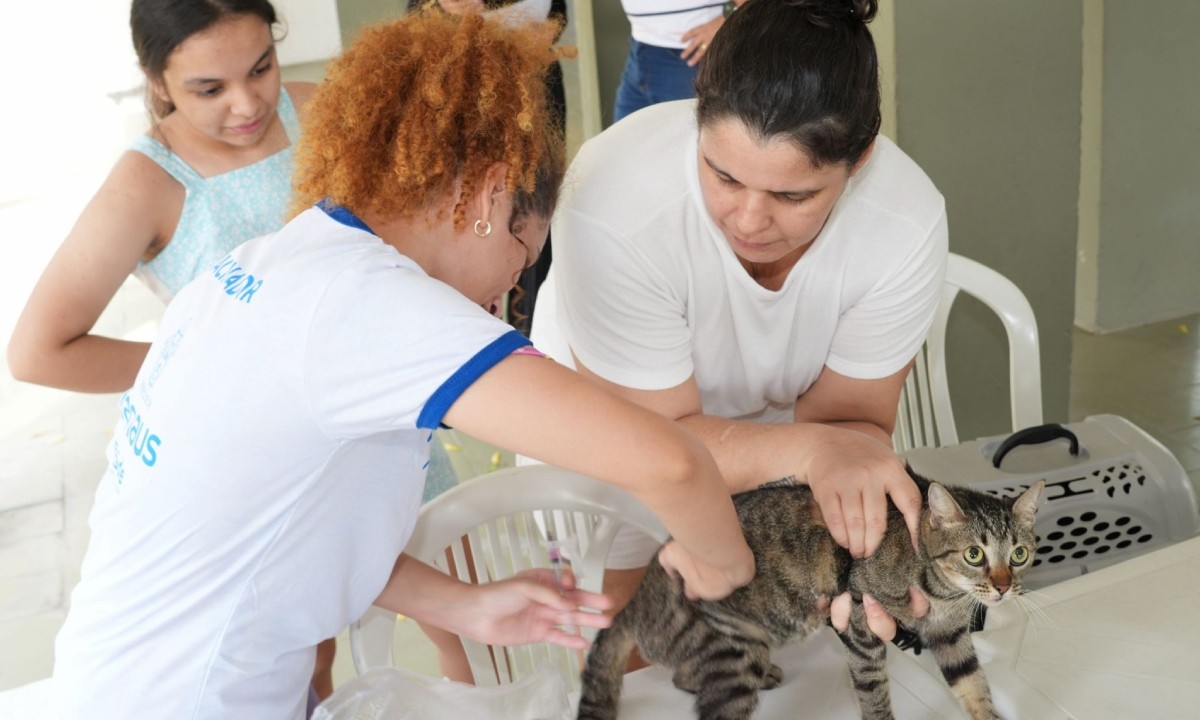
The Municipality of Manaus has summoned 295 candidates who passed a simplified selection process to work in the 2026 Animal Rabies Vaccination Campaign. The list of those called was published on Tuesday, May 28th, in the Official Gazette of the Municipality. Selected candidates are required to consult the official notice for a list of necessary documents, including identity card, CPF, proof of residence, and PIS/Pasep registration. All documentation must be submitted online via a provided link, and applicants must ensure documents are valid before submission. Eymerson Queiroz da Encarnação, acting director of the Health Work Management and Regulation Directorate (Dtrab), advised candidates to carefully check document validity and submission requirements. Following online submission, candidates must attend the Municipal Health Secretariat (Semsa) headquarters for pre-hiring procedures. This in-person process will run from Thursday, May 30th, to August 13th, weekdays between 8 AM and 12 PM, at the Semsa headquarters located at Rua Maceió, 160, Adrianópolis neighborhood, in Manaus's South-Central Zone. The selection process offered a total of 295 temporary positions for the campaign. The majority of roles, 270 positions, were for vaccinators/registrars, with 256 for general applicants and 14 for individuals with disabilities. Additionally, there were 12 positions for field assistants, eight for data tabulators, and five for veterinarians. These selected professionals will be deployed during the rabies vaccination campaign, which is coordinated by the Carlos Durand Zoonoses Control Center (CCZ) and is scheduled to take place from September 1st to November 30th.
The city of Manaus is proactively staffing for its 2026 animal rabies vaccination campaign, demonstrating forward-looking public health planning. By publicly announcing the selection and summoning candidates, the municipality adheres to transparent governance practices. The process, involving online submissions followed by in-person verification, aims to ensure administrative efficiency. The distribution of roles, with a significant number of positions for vaccinators, highlights the campaign's operational scale. This structured approach to resource allocation is crucial for the successful execution of public health initiatives, particularly those targeting infectious disease prevention in animal populations, which directly impacts human health.
AI-generated to prompt reflection — not editorial opinion, not advice, not a statement of fact. How this works.